Loading video…
All breakouts
3.3Talking HeadHow-To hookAI Tools
Hook
What to tell your kids
@stay_human25
21.0K followers · usually 1.2K views a post
Views
4.7K
Likes
190
Comments
7
Shares
30
Why it worked
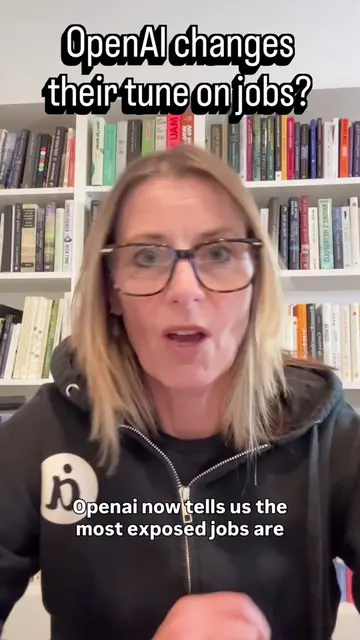
The video offers practical advice for parents navigating a complex future, resonating with concerns about AI's impact on jobs and the need for critical thinking skills.
Summary
The speaker advises on preparing children for a complex future by encouraging them to study systems that integrate multiple knowledge domains and embrace ambiguity. They suggest that while AI can be a tool, developing one's own mental models and understanding the nuances of complex fields is crucial for navigating future challenges.
Structure
- 1Study complex systems
- 2Build broad knowledge
- 3Embrace ambiguity
Original caption
What to say to your kids about this. Put yourself inside the complex system. Focus on where knowledge interacts. Face the messy decisions that people with different views bring. The world is only getting more complex - partly due to AI. And what our kids do. I’ll publish the full report on this soon. Follow for more - and link in bio to subscribe. All our work is free and open (registration is to protect our IP from the robot) #AI #futureofwork #stayhuman #aiandjobs #irx
More from @stay_human25
More breakout videos from this creator.