Loading video…
Sound

original sound - drjess21
Jess | Social Media PhD · Original audio
0:00–:––
Playing this video’s own audio, so you’ll hear the creator over the sound.
We didn’t find a product being promoted in this video. Its hook, format and structure below still show why it took off.
Browse products winning on TikTokThe video likely performed well due to its relatable topic (social media content creation and consumption) and the creator's confident, opinionated stance on a nuanced issue. The use of clear on-screen text and a direct address to the audience also contributes to engagement.
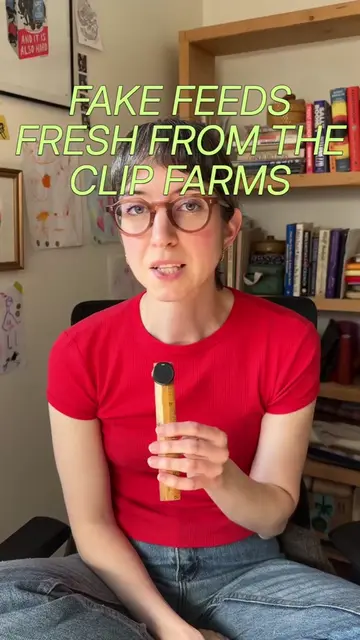
The speaker discusses the practice of "clipping," where long-form content is cut into short clips for social media. They argue that while clipping can be a form of undisclosed paid promotion, it's not inherently manipulative because audiences have agency and can choose what to engage with. The speaker believes that the distrust in media and the nature of the attention economy make clipping a symptom of the system rather than an abuse of it.
Clipping, or the practice of cutting up long-form content into short bits for other social media platforms, has gone a bit viral in the news over the last week. The biggest problem with clipping is that the videos are not often disclosed as being bought-and-paid-for content, meaning it seems more organic than it actually is. Of course, paid content should always be disclosed. But our reaction to clipping says a lot about how we view social media consumption. All views are my own and don’t represent any organizations I’m affiliated with. #clippers #clipping #socialmedia #socialmediamarketing
Why I don't really care about clipping
Introduction to clipping and its prevalence
The problem of undisclosed paid content
The speaker's personal stance and background
Comparison to older forms of paid promotion
The role of audience agency and the attention economy
Clipping as a symptom of media distrust and the system
Playing this video’s own audio, so you’ll hear the creator over the sound.
Outliers and viral hits: their videos on Overshot, all time.