Loading video…
All breakouts
54.0Text-HeavyHow-To hookAI Tools
Hook
HELLO, TODAY WE'RE GOING TO BE BUILDING A NEURAL NETWORK COMPLETELY FROM SCRATCH
@lachinemearning.com
31.8K followers · usually 13.0K views a post
Views
425.8K
Likes
42.9K
Comments
464
Shares
4.1K
Why it worked
The video provides high-value, educational content that demystifies a complex topic (neural networks) by building one from scratch, which appeals to students and developers looking to improve their portfolios.
Summary
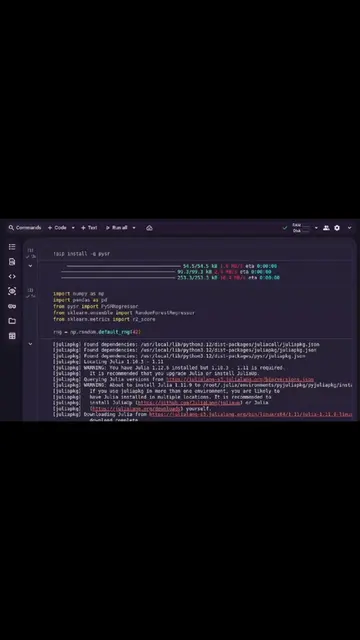
The creator provides a technical tutorial on building a neural network from scratch using Python and NumPy. The video explains the core components like activation functions, layers, and the training loop, demonstrating the process by solving the XOR problem.
Structure
- 1Introduction to building a neural network from scratch
- 2Explanation of neurons, weights, and activation functions
- 3Coding the activation functions and layer classes
- 4Defining the network architecture and training loop
- 5Demonstrating the network solving the XOR problem
On-screen text
HELLO, TODAY WE'RE
GOING TO BE
BUILDING A NEURAL
NETWORK COMPLETELY
FROM SCRATCH,
WITH NO LIBRARIES
EXCEPT NUMPY,
SO YOU CAN
USE THIS FOR
YOUR PORTFOLIO
IF YOU'RE TRYING
TO BREAK INTO
DATA SCIENCE AND
MACHINE LEARNING.
BY THE END,
I EXPECT YOU
TO UNDERSTAND
EXACTLY
WHAT'S HAPPENING
INSIDE
THESE THINGS
INSTEAD OF TREATING
THEM LIKE
MAGIC BOXES.
HERE'S THE PLAN.
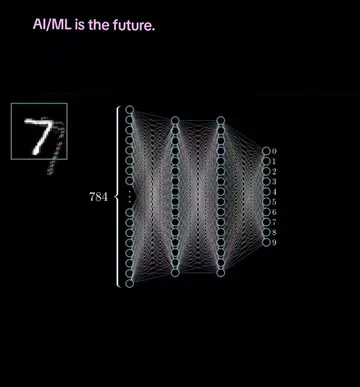
A NEURAL NETWORK
IS JUST LAYERS
OF NEURONS STACKED
TOGETHER, RIGHT?
DATA COMES IN,
FLOWS THROUGH THE
HIDDEN LAYERS
AND A PREDICTION
COMES OUT.
EACH CONNECTION
HAS A WEIGHT,
AND TRAINING
IS JUST THE PROCESS
OF TUNING
THOSE WEIGHTS
UNTIL THE
PREDICTIONS
ARE GOOD.
WE'RE GOING TO
BUILD THIS
WITH THREE CLASSES,
WHERE WE HAVE
OUR ACTIVATION
FUNCTIONS,
OUR LAYERS
AND THE NETWORK ITSELF.
AND EACH CLASS
IS GOING TO
MAP TO ONE
OF THESE IDEAS.
LET'S ZOOM INTO
ONE NEURON, IT
MULTIPLIES EACH INPUT
BY A WEIGHT,
ADDS THEM UP
AND THEN ADDS
AN ARBITRARY VALUE
CALLED THE BIAS
BEFORE PASSING THE
RESULT THROUGH AN
ACTIVATION FUNCTION.
ACTIVATION FUNCTION ADDS
NON LINEARITY TO
THE NETWORK
AND ALLOWS IT
TO LEARN
COMPLICATED PATTERNS
LIKE CURVES AND
BENDS INSTEAD OF
JUST STRAIGHT LINES.
SO LET'S START
WITH THOSE
ACTIVATION FUNCTIONS.
WE MAKE ACTIVATION
ITS OWN CLASS.
FORWARD IS JUST
WHAT HAPPENS WHEN
DATA FLOWS THROUGH,
AND BACKWARD IS
WHAT HAPPENS
DURING LEARNING.
RELU, WHICH STANDS
FOR RECTIFIED
LINEAR UNIT,
IS DEAD SIMPLE.
IT JUST KILLS
ANY NEGATIVE NUMBER
AND KEEPS THE
POSITIVES,
WHEREAS A SIGMOID
SQUEEZES ANY NUMBER
DOWN BETWEEN 0
AND 1.
WE'LL BE USING
RELU IN THE
MIDDLE OF THE
NETWORK AND SIGMOID
AT THE VERY END.
AND WHY WE NEED
TWO DIFFERENT
ACTIVATIONS
IS BECAUSE RELU
IS FAST.
BUT OUR FINAL
ANSWER NEEDS TO
BE BETWEEN 0
AND 1,
LIKE A PROBABILITY.
SO THE OUTPUT
LAYER USES SIGMOID.
SO RELU IS
USED TO THINK
AND SIGMOID IS
USED TO DECIDE.
NOW FOR OUR
LAYER CLASS.
THIS IS PRETTY
MUCH THE HEART
OF THE CODE.
WHEN WE CREATE
A LAYER,
IT SETS UP ITS
OWN WEIGHTS AND
BIASES RANDOMLY.
THEN IT HAS
A FORWARD METHOD
WHICH IS JUST
MULTIPLYING THE WEIGHTS,
ADDING A BIAS AND
APPLYING THE
ACTIVATION FUNCTION.
IT ALSO INCORPORATES
A BACKWARD METHOD,
WHICH IS WHERE
LEARNING HAPPENS.
SO THE LAYER
FIGURES OUT HOW
WRONG ITS WEIGHTS ARE
AND NOT JUST THEM
IN THE RIGHT DIRECTION,
AND THEN PASSES
THE ERROR BACK
TO THE LAYER
BEFORE IT.
EVERY LAYER IS
FULLY SELF CONTAINED,
AND IT KNOWS
HOW TO RUN ITSELF
FORWARD AND
PRETTY MUCH
HOW TO FIX ITSELF.
FORWARD DIRECTION IS
JUST A FORWARD PASS
WHERE DATA FLOWS
THROUGH THE NETWORK
TO MAKE A PREDICTION,
AND THE BACKWARD
DIRECTION IS
BACK PROPAGATION,
WHICH IS THE
ERROR FLOWING BACK
THROUGH THE NETWORK
SO EACH LAYER
CAN LEARN FROM IT.
IT'S USING THE
SAME NETWORK,
JUST DIFFERENT DIRECTIONS.
FINALLY WE HAVE
THE NETWORK'S CLASS
AND LOOK HOW
SIMPLE IT IS.
IT'S LITERALLY JUST
A LIST OF LAYERS.
THE FORWARD METHOD
RUNS THE DATA
THROUGH EVERY LAYER
IN ORDER.
THE BACKWARD METHOD
RUNS THE ERROR
THROUGH EVERY LAYER
IN REVERSE.
THAT REVERSE LOOP
RIGHT THERE
IS THE ENTIRE
IDEA BEHIND THE
WORD BACK PROPAGATION.
WE'RE PROPAGATING THE
ERROR BACKWARD
AND THAT'S IT.
TO ACTUALLY LEARN,
THE NETWORK NEEDS
TO KNOW HOW
WRONG IT IS,
WHICH IS THE LOSS.
WE COMPARE THE
PREDICTION TO THE
CORRECT ANSWER AND
MEASURE THE GAP.
THE WHOLE GOAL
OF TRAINING IS
TO SHRINK THIS NUMBER,
EPOCH AFTER EPOCH,
WHICH IS JUST
ONE PASS THROUGH
THE DATA SET.
SO NOW FINALLY
WE'RE GONNA DO
THE TRAINING LOOP
WHICH IS WRAPPED
UP IN A CLEAN METHOD.
AND FOR EVERY
EPOCH, WE'RE GONNA
RUN THE FORWARD PASS,
MEASURE THE LOSS
AND THEN SEND
THE ERROR BACKWARDS
SO EVERY LAYER
UPDATES ITSELF.
AND THIS FORWARD
MEASURING BACKWARD
REPEATING CYCLE
IS DONE THOUSANDS
OF TIMES IN
A LOOP.
AND THIS LITTLE
LOOP IS THE
HEARTBEAT OF EVERY
NEURAL NETWORK
EVER MADE,
INCLUDING THE
MASSIVE ONES
POWERING THE
AI YOU USE EVERYDAY.
NOW WE'RE ACTUALLY
GOING TO INITIALISE
OUR NETWORK.
WE'RE GOING TO
TEACH IT THE
XOR PROBLEM
WHICH IS A
CLASSIC PROBLEM
THAT YOU CANNOT
SOLVE WITH A
STRAIGHT LINE,
WHICH MAKES IT
THE PERFECT TEST
FOR WHETHER OUR
HIDDEN LAYERS
ACTUALLY WORK.
AND LOOK HOW
READABLE THIS IS, RIGHT?
YOU JUST HAVE
ONE LINE FOR
THE INPUT DATA,
TWO LINES TO
DEFINE THE ENTIRE
ARCHITECTURE,
INCLUDING A HIDDEN
LAYER WITH RAYLOO
AND AN OUTPUT
LAYER WITH SIGMOID.
AND THIS IS
EXACTLY HOW REAL
FRAMEWORKS LIKE KARAS
FEEL TO USE.
EXCEPT,
NOW YOU KNOW
WHAT'S ACTUALLY
HAPPENING UNDERNEATH
EVERY LINE.
OKAY, I DID A BIT
OF A SKIP
BECAUSE I HAD TO
DEBUG AND THAT
TOOK QUITE A BIT
BECAUSE,
YOU KNOW, YOU
FORGET NUANCES LIKE
THE COMMAS AND
THE RIGHT PARENTHESES.
BUT, UM,
BUT NOW WE CAN
WATCH THE LOSS DROP.
IT STARTS AROUND
0.25,
WHICH IS
BASICALLY THE
NETWORK RANDOM GUESSING
AND FOR EVERY
THOUSAND EPOX,
IT DROPS ALL THE
WAY DOWN TO
0.0007,
WHICH IS THE
NETWORK JUST GETTING
SMARTER IN REAL TIME
RIGHT IN FRONT
OF US.
AND THE FINAL
RESULT,
WE ASKED FOR IT
TO GIVE US A
PATTERN OF 0110
AND IT GAVE US
NUMBERS THAT WERE
REALLY CLOSE TO
THOSE VALUES
AND THAT'S A
CORRECT SOLVE,
SO WE BUILT
SOMETHING THAT LEARNS.
Original caption
SAVE THIS VIDEO!! disclaimer: This video is purely for learning. And there is a lot more complexity that comes to neural networks, but this is a way to get your foot into the door if you're just trying to start #machinelearning #computerscience #programming #python #software
More from @lachinemearning.com
More breakout videos from this creator.