Loading video…
All breakouts
 2 videos
3.7Talking HeadDirect Question hookFinance
Hook
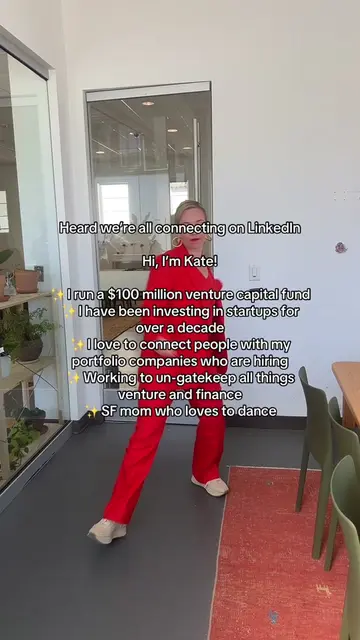
How much money are directors making at VC back companies?
@kate_mcandrew
37.8K followers · usually 2.6K views a post
Views
9.6K
Likes
171
Comments
5
Shares
15
Promoted product
Cartacarta.com
Why it worked
The video provides valuable, data-driven insights into compensation trends in the startup world, addressing a common interest for professionals in the tech industry. The clear presentation of data and the discussion of trade-offs make it highly relevant and shareable.
Summary
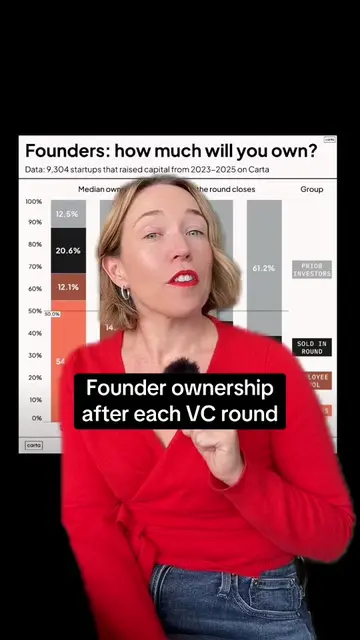
The video analyzes director salaries at VC-backed companies using data from Carta, comparing compensation at companies valued at $25 million versus $250 million. It highlights differences in pay across various roles and discusses the trade-offs between cash and equity compensation, as well as the risks associated with early-stage startups.
Structure
- 1Introduction to director salaries at VC-backed companies
- 2Data source and comparison of company valuations
- 3Salary differences by role and company valuation
- 4
Original caption
What are salaries looking like for director-level roles at VC backed companies? Let’s look at the @Carta data‼️ #startup #salary #cartapartner #ad #katemcandrew
More from @kate_mcandrew
More breakout videos from this creator.