Loading video…
All breakouts
 5 videos
17.7Talking HeadOther hookEducation
Hook
portfolios and no longer just for designers.
@ponnd.world
43.8K followers · usually 7.3K views a post
Views
127.5K
Likes
17.7K
Comments
46
Shares
865
Promoted product
Ponndponnd.world
Stan | Linksite
Summary
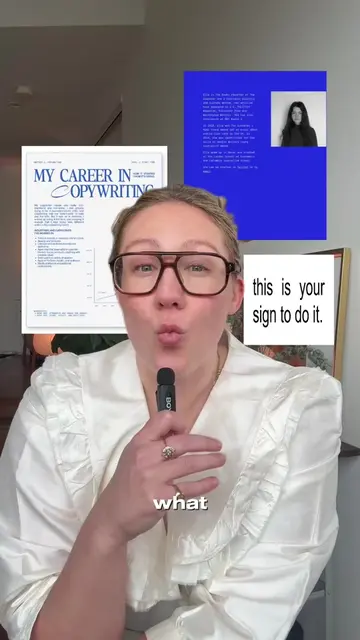
This video provides a five-step guide on how to build a professional portfolio. It covers defining the portfolio's purpose, curating projects, detailing the problem, role, and results of each project, making oneself easy to contact, and finally, publishing and promoting the portfolio.
Transcript
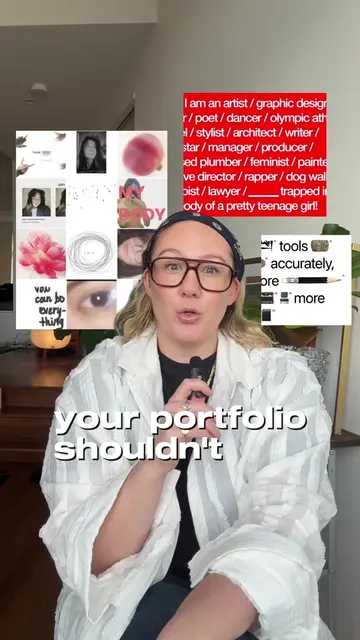
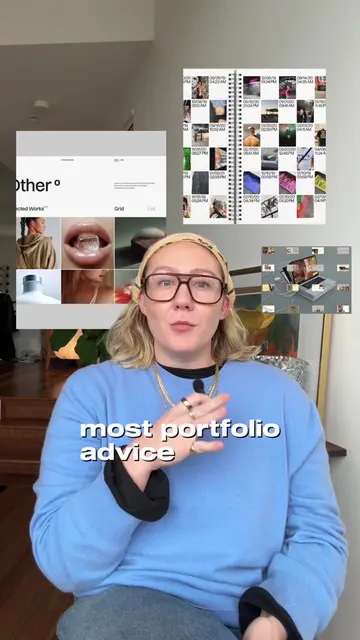
portfolios and no longer just for designers. They are quickly becoming a better way to show your work because they carry far more than any resume can. But so many of us keep putting them off because we don't know where to begin, what to include or whether the work is even portfolio worthy. I have recently distilled everything I've learned over the last two years about portfolios on stack. Here are the spark notes to getting started. Number one is to define the portfolio's purpose. Are you looking for a new job, making a career pivot, seeking clients or collaborators, building credibility or simply creating a record of your work. This intention tells you what audience you are speaking to, then what work to surface, and then what information needs to come through really clearly. Number two is to take stock and choose what earns its place. I start by listing out all the projects, roles, experiments, outcomes, and works in progress that best represent the work that I do. I then group them under broad categories like research, strategy, or marketing and then edit. A portfolio should be curated, not exhausted. What you leave out can say just as much as what you choose to include. Number three is to add the color. So for every project answer these four questions. What was the problem I was solving? What was your role? What did you do within that role? And then what was the result. This transforms a collection of projects into concrete proof of work. Number four is to make yourself easy to contact. Make it super obvious where people can reach you and what you are currently open to. A great way to do this is in the about page which should give a sense of your personality, how you work and what you're currently looking for. Number five is to publish it and put it to work. My recommendation is to not wait until your portfolio feels perfect before you start sharing it. This sets the feedback flywheel into motion. I would add it to places like your email signature, social bios and LinkedIn and then also included it in applications, outreach, introductions and follow-up messages. Your portfolio does not need to be overly elaborate. It's simply needs to make your work easy to see, understand and act on. I hope this helps.
Original caption
Everything you need to create your first Portolio 💻 #portfolio #career #portfoliodesign
More from @ponnd.world
More breakout videos from this creator.