Loading video…
All breakouts
47.5Talking HeadStory Open hookLifestyle
Hook
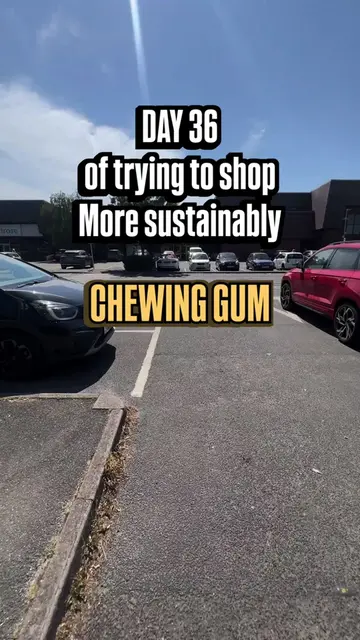
DAY 35 of trying to shop more sustainably FABRIC SOFTNER
@madegooduk
34.6K followers · usually 11.2K views a post
Views
501.2K
Likes
31.6K
Comments
520
Shares
7.8K
Why it worked
The video addresses a common household product with a sustainability angle, providing practical alternatives and actionable advice. The creator's personal experience and clear explanations of the 'why' behind the recommendations, combined with a call to action and a promise of further information in the caption, encourage engagement and sharing.
Summary
This video discusses the environmental and functional downsides of conventional fabric softeners, which often use animal fat or palm oil and can reduce absorbency and flame resistance. It suggests alternatives like using less softener, opting for brands like Ecover or Wilton that use plant-based ingredients and sustainable packaging, or using diluted white vinegar as a natural alternative. The creator provides tips for choosing more sustainable fabric care options.
Structure
- 1Introduction to the sustainability challenge and focus on fabric softener.
- 2Explanation of how fabric softener works and its common ingredients (animal fat/palm oil).
Original caption
Fabric softener works by coating your clothes in a thin layer of fat, and in most bottles that's either tallow (rendered animal fat) or palm oil, with a fragrance on top. And it quietly works against you. It kills the absorbency in your towels, it clogs the sweat-wicking in gym kit, and the Fairy bottle itself says don't use it on children's sleepwear because it can reduce flame resistance. So before you buy another big plastic bottle of what's mostly water, it's worth asking if you need it at all. If you do, here's the cheat sheet for the Waitrose aisle, cheapest per wash first: 🥉 Waitrose own-brand fabric conditioner The cheapest cruelty-free option here, a few pence a wash and well under the big brands. Own-brand, and Leaping Bunny approved. 🥈 Ecover Fabric Softener (Rose & Bergamot) Around 11p a wash. A 100% recycled bottle you can recycle again, a softening agent made from European rapeseed oil instead of palm or tallow, and Leaping Bunny certified. Worth knowing: it's not a B Corp, and it's been owned by SC Johnson since 2017, so its cruelty-free is brand-level, not the whole group. Still a strong pick for what's in the bottle. 🥇 Wilton London (Cedarwood Botanical) Around 13p a wash. British-made, plant-based, a certified B Corp, in a recycled bottle. 🏆 Go one further A splash of distilled white vinegar in the softener drawer, about 2p a wash. Works in any wash, strips out the residue that stiffens clothes, and rinses out with no smell. Use it in moderation, not neat, and use clear distilled white vinegar, not white wine or brown malt. ❌ Leave Using it on your towels, gym kit, kids' pyjamas or anything flame resistant. The label itself tells you not to. For comparison, the big brands like Comfort, Lenor and Fairy run about 6 to 11p a wash, so going cruelty-free here doesn't have to cost more. Got a way you get round fabric softener, or skip it altogether? Drop it in the comments so we can all pinch it. And save this for the next time you're on the aisle, it might come in handy. #sustainableswaps #ecoswaps #laundry #plasticfreeswaps #madegood
More from @madegooduk
More breakout videos from this creator.