Loading video…
All breakouts
30.9Text-HeavyDirect Question hookLifestyle
Hook
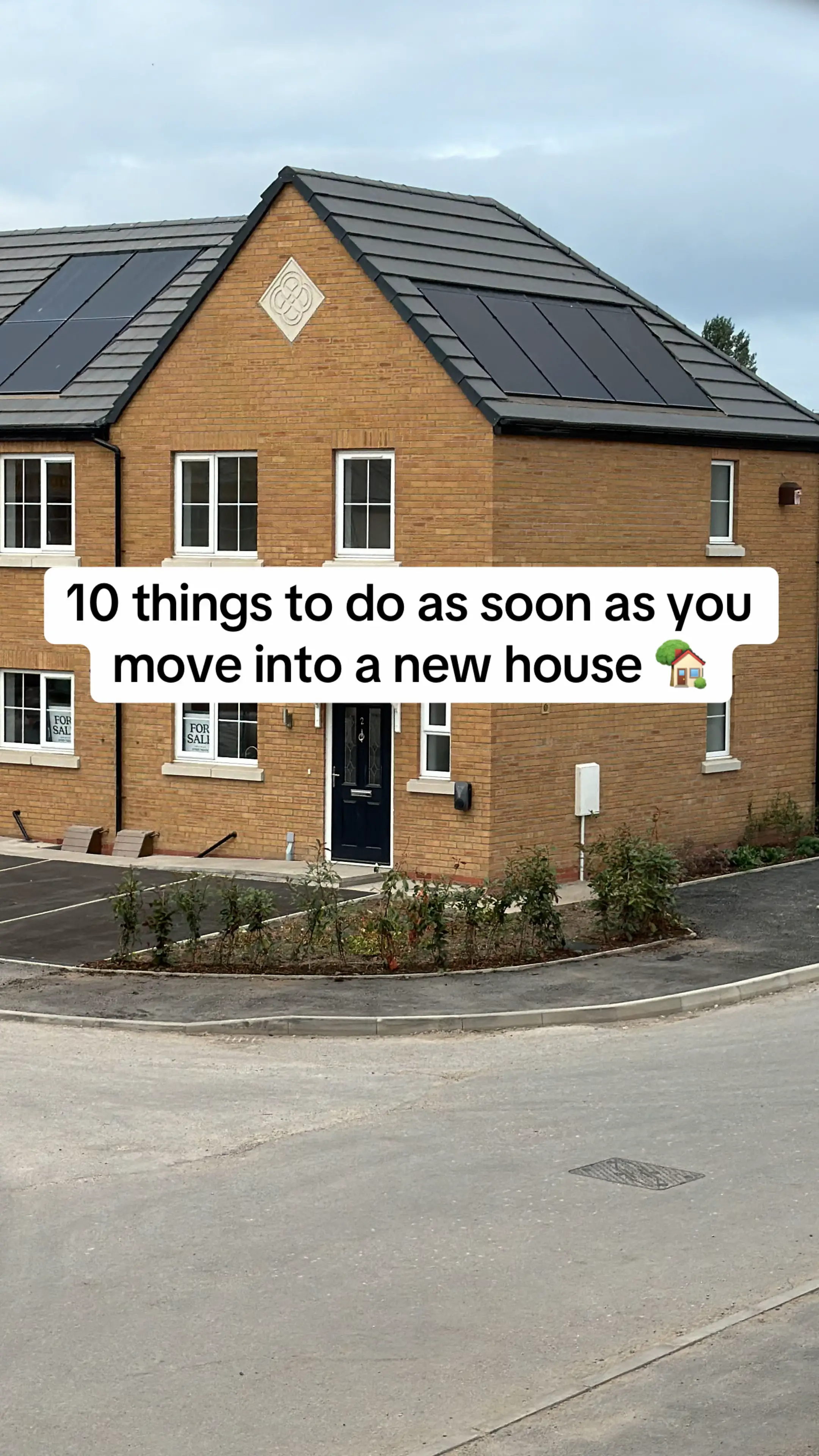
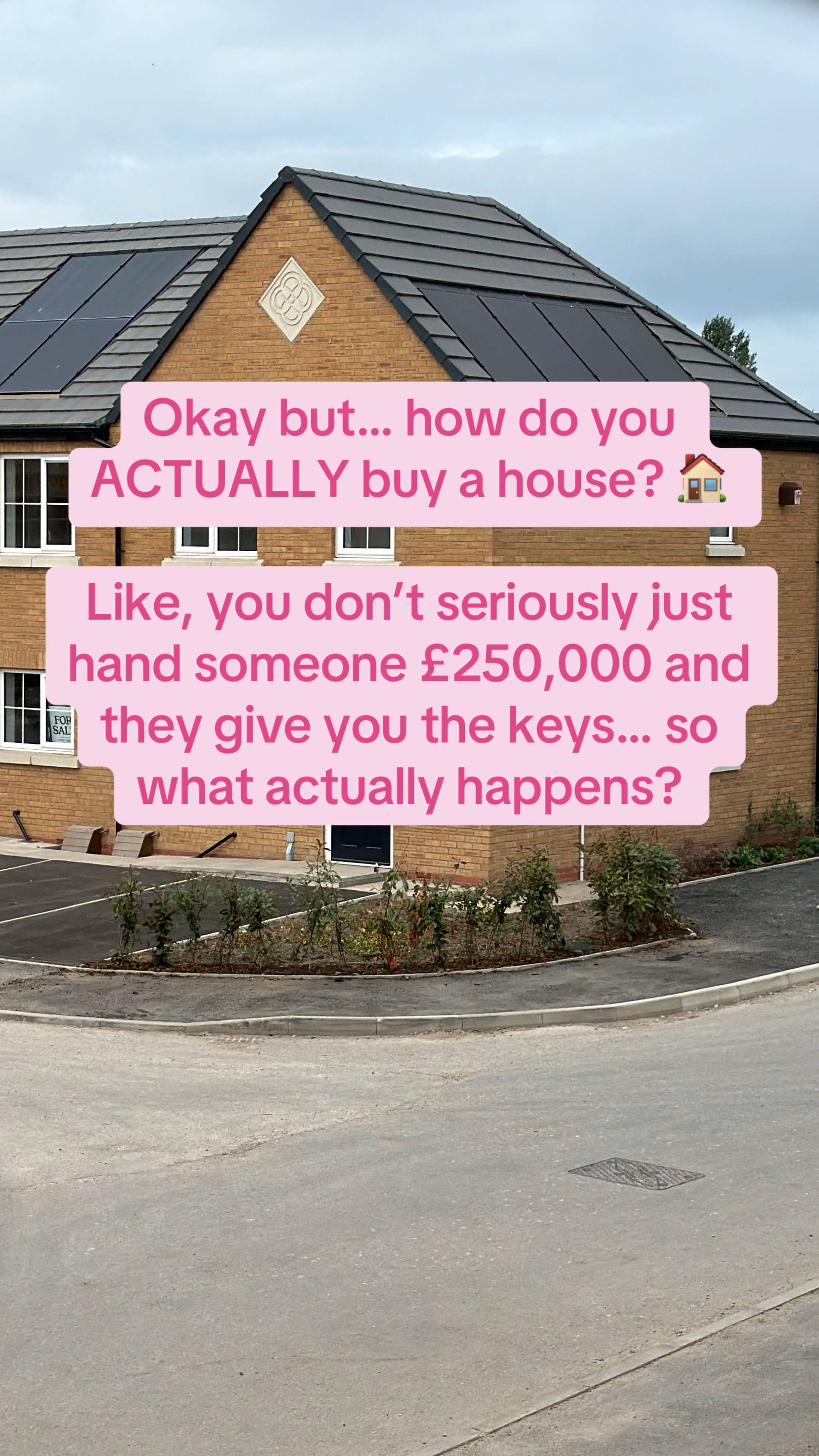
Okay but... how do you ACTUALLY buy a house? 🏠
@number2atmolyneux
6.8K followers · usually 2.4K views a post
Views
73.7K
Likes
3.0K
Comments
111
Shares
179
Why it worked
The content breaks down a complex process into easily digestible steps using clear, concise text overlays on relatable imagery, making it highly accessible and informative for a target audience of first-time homebuyers.
Summary
This slideshow explains the basic steps involved in buying a house in the UK, covering deposits, mortgages, making an offer, legal paperwork, exchanging contracts, and completion. It breaks down the process into understandable stages for first-time buyers.
Structure
- 1Introduction to buying a house
- 2Understanding deposits and mortgages
- 3Mortgage lender's assessment
- 4Making an offer and the initial agreement
- 5The legal process and paperwork
- 6Exchanging contracts and making the purchase binding
- 7Completion and receiving the keys
On-screen text
Okay but... how do you ACTUALLY buy a house? 🏠
Like, you don't seriously just hand someone £250,000 and they give you the keys... so what actually happens?
First, you need some of your own money 📖
Most people don't save up the entire price of a house.
You usually save a deposit — a percentage of the price.
So if a house costs £200,000 and you have a £20,000 deposit, you still need another £180,000...
That's where a mortgage comes in 💰
A mortgage is basically a loan specifically for buying property.
The lender gives you the money you need to buy the house...
...and you repay it, with interest, over many years.
So:
🏠 House = £200,000
📖 Your deposit = £20,000
💰 Mortgage = £180,000
But you can't just pick a house and borrow whatever you want
Before lending you the money, a mortgage lender will look at things like:
→ your income
→ your regular spending/debts
→ your credit history
→ how much deposit you have
→ whether they think you can afford the repayments
What you can borrow affects what houses you can realistically look at.
Then you find a house and make an offer
See a house you love for £200,000?
You can tell the estate agent:
"I'd like to offer £195,000."
The seller can accept it, reject it or negotiate.
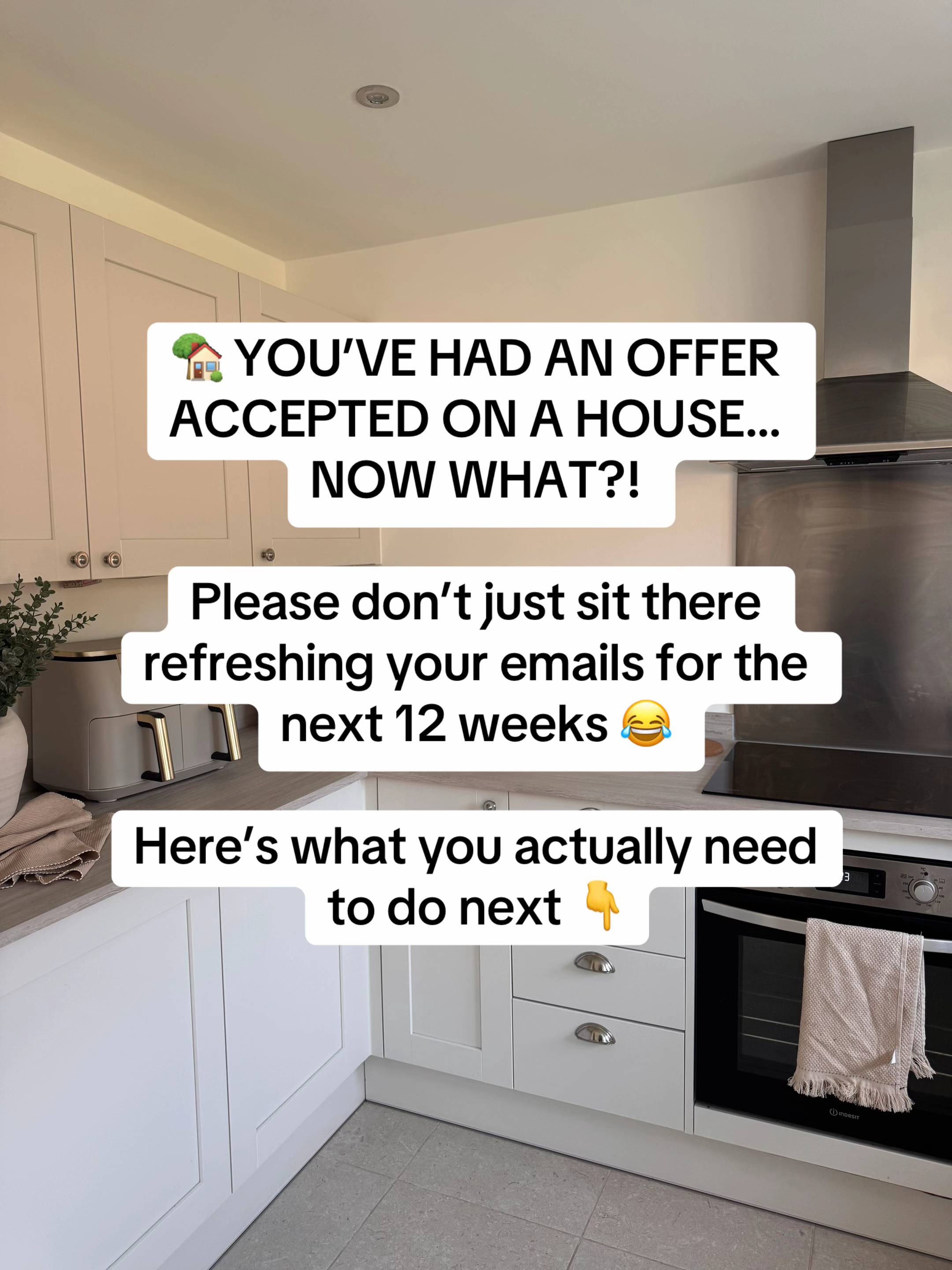
If they accept...
you STILL haven't actually bought the house yet.
Now the grown-up paperwork begins 😂
You'll usually have a solicitor/conveyancer doing the legal side.
If you're getting a mortgage, your lender is doing their checks too.
There can also be:
🔍 searches
📄 a survey
❓ enquiries
🏦 mortgage paperwork
This is why buying a house can take weeks or months after your offer is accepted.
Eventually you exchange contracts ✍️
Once the legal work is ready and everyone is happy to proceed, you can exchange contracts.
In England and Wales, this is the BIG moment:
the purchase becomes legally binding.
But you normally still don't have the keys...
THEN you complete 🔑
On completion day, the purchase money is transferred through the solicitors.
Once completion is confirmed...
YOU OWN THE HOUSE. 🤯
The estate agent can normally release the keys and you can finally move in.
And that's buying a house — VERY basically.
Original caption
How do you actually buy a house in the UK? 🏠 Because if nobody has ever explained mortgages, deposits, solicitors, exchange or completion to you, the whole thing can sound far more mysterious than it needs to be. Very basically: most people don’t have enough cash to pay for an entire house themselves. You save a deposit and, if you’re eligible, borrow the rest from a mortgage lender. So if you bought a £200,000 house with a £20,000 deposit, you’d need to fund the remaining £180,000 — potentially through a mortgage. But getting a mortgage isn’t as simple as asking the bank for £180,000. A lender will assess whether it is prepared to lend to you and how much you can afford to borrow. That ultimately affects your house-buying budget. Then comes actually finding a property, making an offer and hopefully having it accepted. And this is the bit I definitely didn’t understand before buying a house: offer accepted does NOT mean “congratulations, you own a house.” 😂 There’s still the legal conveyancing process, mortgage work, searches, potentially a survey, enquiries and lots of paperwork to get through. Eventually, if everything is ready, you exchange contracts and the purchase becomes legally binding. Then you reach completion, the money is transferred and you can normally collect the keys. 🔑 If you’re years away from buying your first home but want to understand how buying a house actually works, save this. There is absolutely no reason you should magically know what a mortgage, deposit or conveyancer does if nobody has ever explained it. This is a deliberately simplified overview of buying a property in England and Wales. Individual circumstances and purchases vary. #BuyingAHouseUK #FirstTimeBuyerUK #MortgageBasics #FirstTimeBuyer #creatorsearchinsights
More from @number2atmolyneux
More breakout videos from this creator.