Loading video…
All breakouts
90.0AnimationHow-To hookEducation
Hook
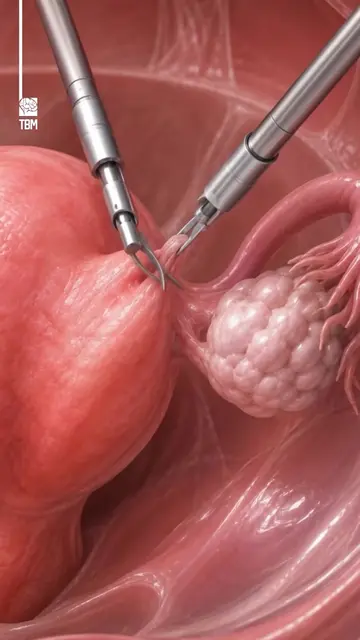
This is how doctors remove a bulging varicose vein
@thebrainmaze
1.0M followers · usually 11.5K views a post
Views
1.6M
Likes
34.2K
Comments
214
Shares
5.5K
Why it worked
The video effectively uses clear, animated visuals to explain complex medical procedures in an easily understandable way. The step-by-step breakdown of treatments for varicose veins, combined with concise explanations, makes it highly informative and shareable content.
Summary
This video explains the medical procedures used to treat varicose veins, including sclerotherapy, phlebectomy, and endovenous laser ablation. It details how these minimally invasive treatments work and highlights the quick recovery time associated with them.
Structure
- 1Introduction to varicose veins and their cause
- 2Explanation of Sclerotherapy
- 3Explanation of Phlebectomy
- 4Explanation of Endovenous Laser Ablation
- 5Discussion of blood circulation after treatment
- 6Overview of recovery and patient outcomes
On-screen text
This is how doctors remove a bulging varicose vein
through a tiny opening in the skin.
VARICOSE VEINS
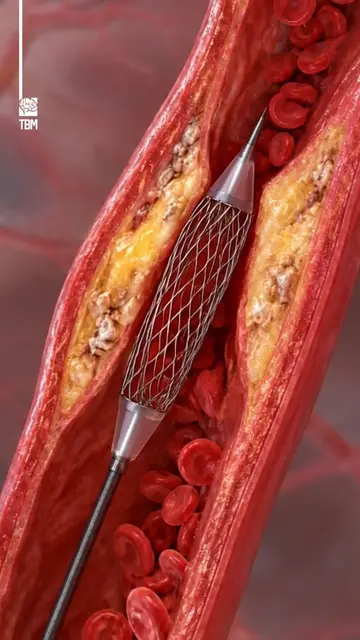
Varicose veins are enlarged,
twisted veins that most
commonly appear in the
legs.
when weakened valves
allow blood to collect
inside the veins, causing
them to stretch and bulge.
They can sometimes
cause aching, heaviness,
swelling,
itching and discomfort.
There are three main
procedures used to treat
them.
SCLEROTHERAPY
Using ultrasound
guidance,
a healthcare professional
inserts a small needle
directly into the affected
vein.
A special irritant solution
is then injected,
causing the vein's walls to
stick together
and seal shut.
Over time,
the closed vein is
naturally absorbed by the
body
and gradually fades.
For especially large
bulging varicose veins,
PHLEBECTOMY
a Phlebotomy may be
recommended.
During this minimally
invasive procedure,
the doctor makes several
tiny openings in the skin.
A small specialized vein
hook is inserted through
them
to gently remove
sections of the damaged
vein.
Because these openings
are so small,
stitches are often
unnecessary.
ENDVENOUS LASER
ABLATION
The third method is
Endovenous Laser
Ablation.
A thin laser fiber is
guided into the abnormal
vein
with the help of
ultrasound.
Controlled heat is
delivered to the inside of
the vein,
irritating its walls and
causing it to collapse.
The treated vein then
forms scar tissue
and eventually seals
completely.
Closing or removing
these veins does not stop
normal circulation.
Instead, blood is naturally
redirected through
nearby
healthy veins that can
carry it back toward the
heart
more efficiently.
Recovery after
these procedures is
usually quick and
straightforward.
Patients are generally
encouraged to start
walking
soon after treatment and
many people can return
to work
and resume their usual
daily activities
as early as the following
day.
Original caption
How Varicose Veins Are Treated - How do doctors remove or close bulging varicose veins through tiny skin openings, and where does the blood flow afterward? Discover the treatments that restore healthier circulation.
More from @thebrainmaze
More breakout videos from this creator.