Loading video…
Sound

original sound - misinformedmedia
MisInformed Media | Zee Dollie · Original audio
0:00–:––
Playing this video’s own audio, so you’ll hear the creator over the sound.
We didn’t find a product being promoted in this video. Its hook, format and structure below still show why it took off.
Browse products winning on TikTokThe video likely worked by creating a sense of unease and curiosity by linking everyday technology (smart devices, solar panels) to a dangerous concept (remote-controlled explosives), prompting viewers to question the security and implications of widespread wireless technology.
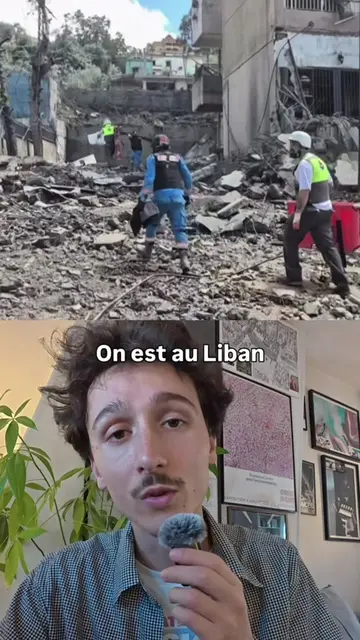
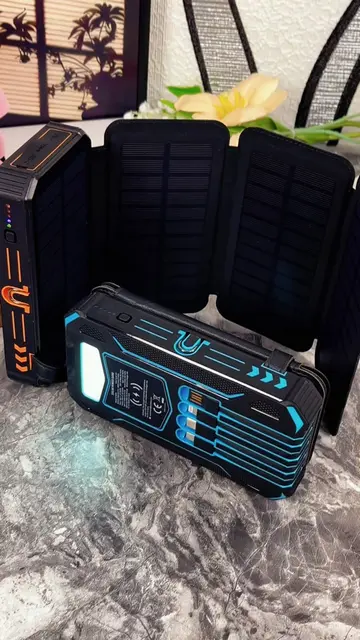
The video discusses how the concept of remote signals triggering devices, similar to how phones command smart appliances, can be applied to explosives. It then shows images of buildings in Lebanon and Syria covered in solar panels, implying a widespread reliance on such technology and a potential vulnerability.
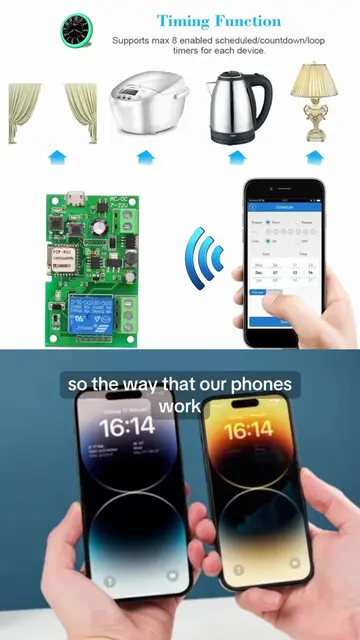
Imagine if you could send a remote signal to an explosive the same way a smart device receives a command. Your phone can send a wireless command to your TV, car or smart appliance. The device receives that signal and responds to it. A remote explosive system works on a similar basic communication concept: a wireless signal travels from a controller to a receiver, and the receiver responds to the authorised command by activating the system. The wireless signal isn’t the explosion itself — it’s the communication that tells the receiving system to activate. In other words: Send signal to device. Device receives signal. Device responds. And kaboom.
It was more than just pagers that exploded
Introduction to remote signal technology
Comparison to phone commands
Application to explosives
Visuals of solar panels in Lebanon and Syria
Implication of widespread reliance and vulnerability
Playing this video’s own audio, so you’ll hear the creator over the sound.
Outliers and viral hits: their videos on Overshot, all time.