Loading video…
All breakouts
94.7AnimationOther hookEducation
Hook
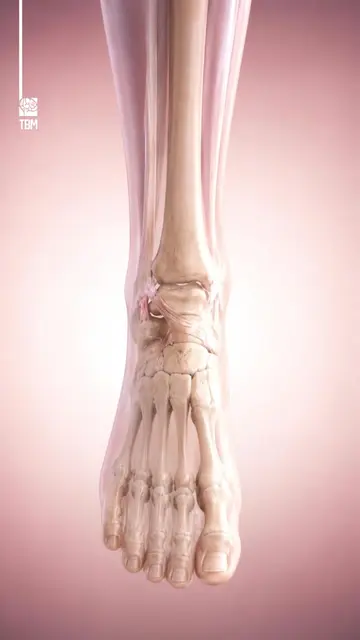
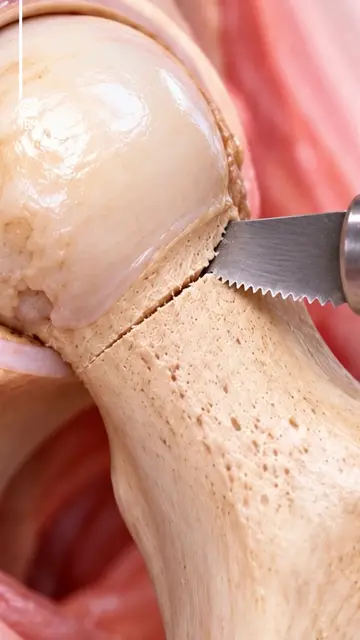
The moment you break a bone, your body immediately starts rebuilding it.
@thebrainmaze
1.1M followers · usually 16.5K views a post
Views
1.4M
Likes
73.1K
Comments
953
Shares
4.6K
Why it worked
The video uses highly satisfying, high-fidelity 3D medical animations to visualize a complex biological process, making abstract scientific information instantly accessible and visually engaging.
Summary
This video uses high-quality 3D animation to explain the biological process of how human bones heal after a fracture. It details the stages from initial blood clotting and immune response to the formation of a soft callus and final bone remodeling.
Structure
- 1Initial fracture and blood clotting
- 2Immune cell response and debris removal
- 3Formation of the soft callus bridge
- 4Osteoblast bone building and hardening
- 5Long-term remodeling and structural restoration
On-screen text
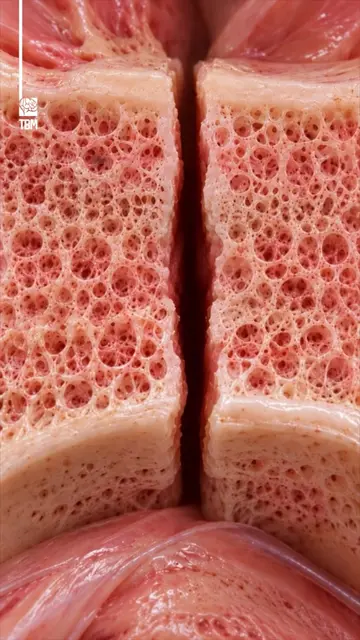
The moment you break a bone, your body immediately starts rebuilding it. It starts with broken blood vessels. When a bone snaps, tiny vessels inside and around it tear. Blood collects around the fracture and forms a clot, creating the foundation for the repair. Within hours immune cells move in, they remove damaged tissue and release chemical signals that recruit more cells to the injury. This early response contributes to the swelling and warmth around the break. Beneath the surface, your body is clearing the site for construction. Over the following days and weeks, repair cells build a soft bridge between the broken ends. This bridge is made largely of collagen and cartilage, it's called a soft callus and it acts like temporary scaffolding. It connects the damaged area but it still needs protection. At this stage the repair cannot handle the same forces as healthy bone. Then bone building cells called osteoblasts get to work. They produce new bone tissue, which hardens as minerals accumulate. Gradually a hard bony callus replaces the soft bridge. The first bone your body makes is fast built and disorganized. It creates a sturdy connection before the final reconstruction begins. Next comes remodeling. Specialized cells called osteoclasts break down excess bone, while osteoblasts replace it with more organized tissue. Together they reshape the repair and help restore the bone's internal structure. As recovery progresses, the forces placed on the bone help guide this process. Remodeling can continue for months, sometimes years after the break has joined. And a healed bone doesn't automatically become permanently stronger than before. Your body is working toward restoring its original strength and shape. Underneath that cast a living construction crew is clearing debris, building supports, laying down bone and refining the result. Your body doesn't just patch the damage, it rebuilds a part of you.
Original caption
How Broken Bones Heal - What happens inside your body after a bone breaks? How does your body reconnect the broken pieces, and does the bone really come back stronger?
More from @thebrainmaze
More breakout videos from this creator.