Loading video…
All breakouts
10.5Talking HeadHow-To hookEducation
Hook
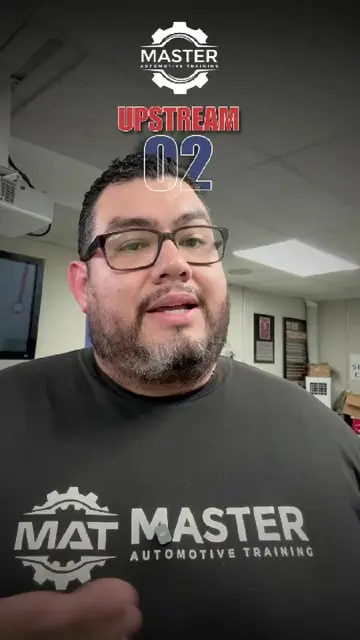
Finding a parasitic draw the right way
@masterautotraining
54.2K followers · usually 2.7K views a post
Views
35.3K
Likes
2.1K
Comments
33
Shares
132
Promoted product
Master Automotive Traininghttps://linktr.ee/masterautomotive ↗
Why it worked
The video addresses a common and frustrating car problem (dead battery) with a clear, step-by-step diagnostic procedure. It highlights a common mistake made by technicians, positioning the content as valuable, expert advice, which appeals to both DIYers and professionals.
Summary
This video explains how to properly test for parasitic battery drain in a vehicle. It emphasizes waiting for the vehicle's modules to go to sleep before testing and demonstrates how to use a current clamp to identify the circuit causing the drain.
Structure
- 1Introduction to parasitic draw problem
- 2Normal sleep current vs. excessive draw
- 3Importance of waiting for modules to sleep
- 4Using a current clamp to measure draw
- 5Pulling fuses to identify the faulty circuit
- 6Common mistakes and correct procedure
Product placement
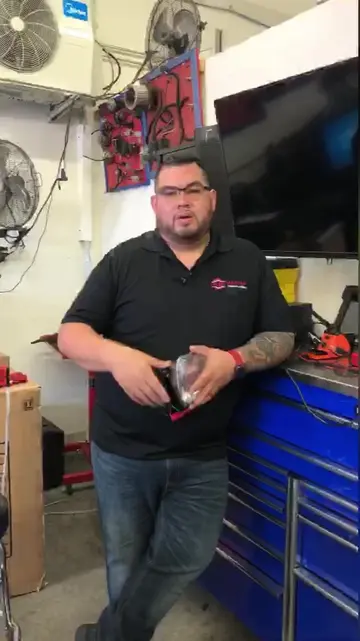
The video features a current clamp multimeter and discusses the process of testing fuses and modules in a vehicle's electrical system. The creator is wearing a shirt for 'Master Automotive Training'.
Original caption
Dead battery every morning? Most techs start pulling fuses too early and end up chasing the wrong circuit. Proper parasitic draw testing starts after the modules go to sleep. Learn real-world electrical diagnostics at Master Automotive Training in Rancho Cucamonga, CA. Ready to level up your diagnostic process? Join our hands-on automotive training classes today. 📍 Master Automotive Training – Rancho Cucamonga, California 🔧 Advanced Electrical Diagnostics & Automotive Training 📲 Sign up today: https://campscui.active.com/orgs/MasterAutomotiveTraining?orglink=camps-registration# #MasterAutomotiveTraining #RanchoCucamonga #AutomotiveTraining #AutoElectricalDiagnostics #ParasiticDraw #BatteryDrain
More from @masterautotraining
More breakout videos from this creator.