Loading video…
All breakouts
4.7Talking HeadResult / Flex hookEducation
Hook
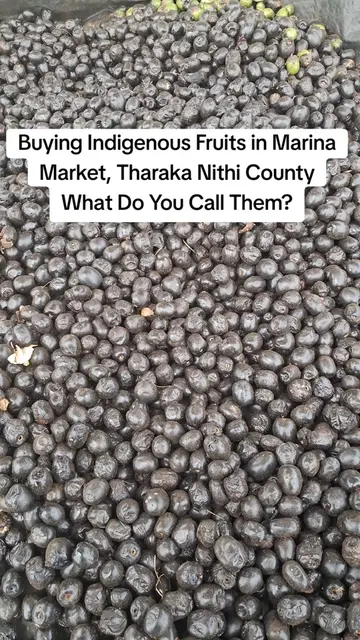
Best Indigenous Fruit in Ukambani (Muu) Can Be Used To Make Chocolate
@africanplantresearchcent
17.3K followers · usually 4.6K views a post
Views
21.9K
Likes
1.1K
Comments
133
Shares
195
Promoted product
Vitex payos seedlings
Why it worked
The video taps into the growing interest in unique, natural, and potentially exotic food sources, highlighting a fruit with a direct link to a popular product (chocolate) and emphasizing its chemical-free nature, which appeals to health-conscious consumers.
Summary
The video showcases the Vitex payos fruit, also known as Muu or chocolate berry, highlighting its indigenous status in Kenya and its potential for making chocolate. It emphasizes that these fruits are naturally grown without chemicals, unlike other local produce, and are available as both fruits and seedlings for sale by the African Plant Research and Conservation Centre.
Free accountLocked — create a free account to open
Transcript, structure and on-screen text
6 beats, a 238-word transcript and 2 lines of on-screen text — the parts you need to write your own version.
Original caption
Vitex payos, known as Muu among the Kamba, is one of the finest indigenous fruit trees of Kenya's drylands. The tree is naturally adapted to warm and semi-arid environments, where it survives and produces fruits even under conditions that challenge many other species. This resilience has made it an important tree in traditional landscapes across eastern and southern Africa. Muu is best known for its fruits. When ripe, they turn yellow to orange and develop a sweet flavour that makes them highly sought after by both people and wildlife. During the fruiting season, the tree often becomes a focal point for birds and other animals. Beyond its fruits, Vitex payos is an attractive shade tree. It develops a broad canopy that provides shelter from the sun while contributing to biodiversity and ecological restoration. Its ability to thrive in dry areas makes it particularly valuable for climate-resilient landscaping and agroforestry. Like many indigenous fruit trees, Muu represents more than food. It is part of the cultural heritage of communities that have lived alongside it for generations, relying on its fruits and appreciating its place within the landscape. As interest in indigenous fruits continues to grow, Vitex payos deserves recognition as one of Kenya's most promising dryland fruit trees. #VitexPayos #IndigenousFruits #DrylandTrees #FoodFromNature #PlantNative
More from @africanplantresearchcent
More breakout videos from this creator.