Loading video…
All breakouts
19.7Talking HeadOther hookEducation
Hook
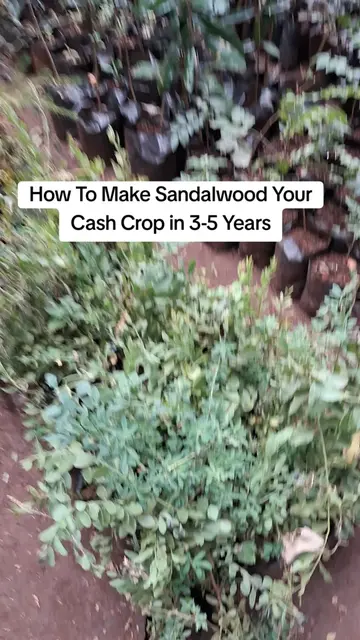
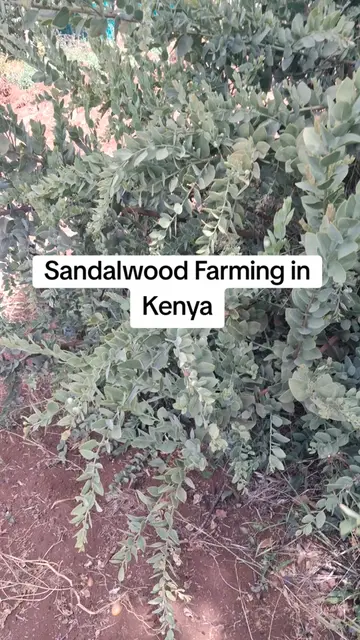
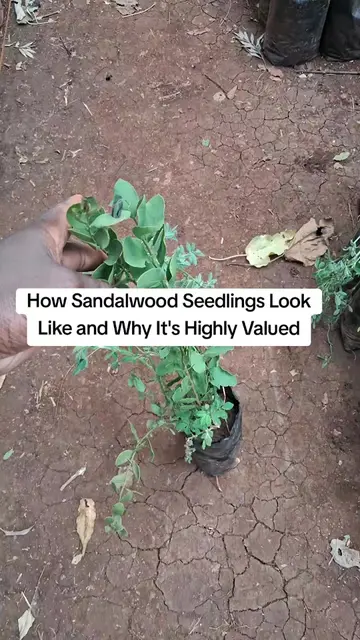
Sandalwood The New Cash Crop in Kenya
@africanplantresearchcent
17.3K followers · usually 4.6K views a post
Views
90.9K
Likes
1.9K
Comments
168
Shares
303
Why it worked
The video effectively combines educational content about a valuable, indigenous tree with a clear call to action for purchasing seedlings, tapping into the growing interest in sustainable and profitable agriculture in Kenya.
Summary
This video showcases sandalwood as a valuable cash crop in Kenya, highlighting its growth and potential for essential oil and perfume production. It also promotes the sale of sandalwood seedlings from the African Plant Research and Conservation Centre.
Free accountLocked — create a free account to open
Transcript, structure and on-screen text
4 beats, a 136-word transcript and 1 lines of on-screen text — the parts you need to write your own version.
Original caption
Osyris lanceolata, commonly known as African Sandalwood, is one of Kenya's most valuable and most threatened indigenous trees. For many years, this species has been heavily exploited because of its highly fragrant heartwood and essential oils, which are used in perfumes, cosmetics, and other high-value products. The demand became so great that wild populations declined dramatically across East Africa. Today, African Sandalwood is considered threatened, with habitat loss and illegal harvesting remaining some of its greatest challenges. In many places where it was once common, mature trees have become increasingly difficult to find. One fascinating feature of Osyris lanceolata is that it is a semi-parasitic plant. While it can produce its own food through photosynthesis, its roots also connect to neighbouring plants to obtain additional water and nutrients. This unique adaptation helps it survive in dry and challenging environments. Beyond its conservation value, the tree is well suited to dryland restoration projects. It is naturally adapted to semi-arid ecosystems and contributes to restoring indigenous biodiversity where it once occurred. Protecting African Sandalwood is about more than saving a single species. It is about preserving one of Africa's most unique native trees before it disappears from the wild. #IndigenousTrees #AfricanSandalwood #ThreatenedSpecies #PlantConservation #PlantNative
More from @africanplantresearchcent
More breakout videos from this creator.