Loading video…
All breakouts
9.4Talking HeadDirect Question hookEducation
Hook
Buying Indigenous Fruits in Marina Market, Tharaka Nithi County What Do You Call Them?
@africanplantresearchcent
17.3K followers · usually 4.6K views a post
Views
41.2K
Likes
1.1K
Comments
242
Shares
100
Why it worked
The video taps into a growing interest in indigenous and locally sourced products, appealing to a sense of cultural pride and health consciousness. The direct question in the on-screen text and hook encourages engagement and comments, driving virality.
Summary
The video showcases the sale of indigenous fruits, specifically Vitex doniana (Chocolate Berry), in Marina Market, Tharaka Nithi County. It highlights the local names for the fruit and encourages support for selling indigenous produce.
Free accountLocked — create a free account to open
Transcript, structure and on-screen text
5 beats, a 92-word transcript and 2 lines of on-screen text — the parts you need to write your own version.
Original caption
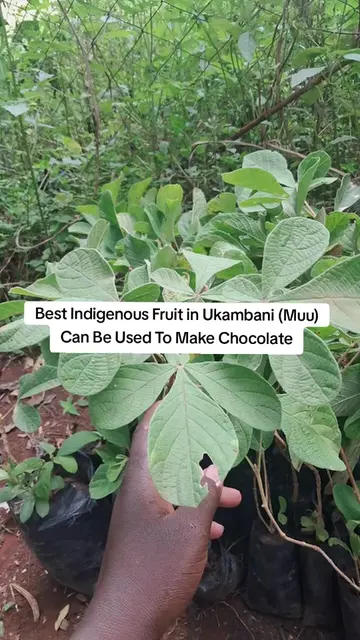
Why Aren't We Selling More Indigenous Fruits Like Chocolate Berry? Walk through most fruit markets in Kenya and you'll find apples, grapes, oranges, and pears. Yet one of our own nutritious indigenous fruits is rarely seen on sale. Vitex doniana, commonly known as the Chocolate Berry, is an indigenous fruit tree that grows naturally in Nyanza and Western Kenya, as well as parts of Meru, Embu, Tharaka, and Kwale. Among the Luhya it is known as Chifudu, while the Kisii call it Omohuru. For generations, communities have enjoyed its sweet fruits when they are in season. Beyond providing delicious fruits, Vitex doniana is a multipurpose tree. It offers shade, supports biodiversity, and its flowers are an excellent source of nectar for bees. It is also well adapted to many parts of Kenya, making it a suitable tree for farms, schools, and homesteads. Despite these benefits, the fruits are still largely collected for home consumption or from the wild, with very little organised marketing. Imagine if Chocolate Berry fruits were as common in our markets as mangoes or tree tomatoes. Farmers could earn additional income, consumers would enjoy more nutritious indigenous foods, and there would be a greater incentive to plant and conserve the species. Creating markets for indigenous fruits is one of the best ways to encourage their conservation. When communities see value in growing these trees, they are more likely to protect them instead of clearing them. Perhaps it's time we gave Vitex doniana and many other indigenous fruits the space they deserve on our market stalls. #IndigenousFruits #VitexDoniana #PlantNative #FoodSecurity #Agroforestry
More from @africanplantresearchcent
More breakout videos from this creator.