Loading video…
All breakouts
13.6Talking HeadOther hookEducation
Hook
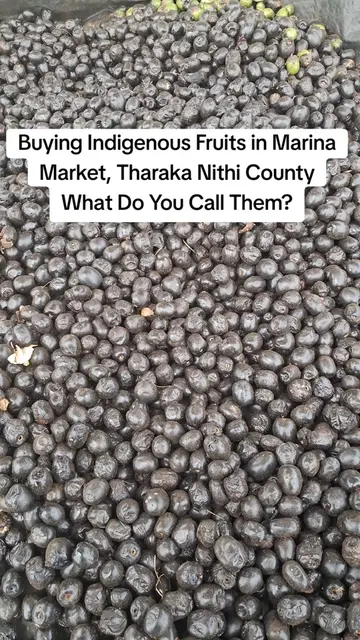
Desert Date (Ndului in Kamba, Olokwai in Maasai and Othoo in Luo
@africanplantresearchcent
17.3K followers · usually 4.6K views a post
Views
59.8K
Likes
1.5K
Comments
224
Shares
179
Why it worked
The video effectively showcases the multifaceted utility of the Desert Date plant, appealing to viewers interested in indigenous knowledge, sustainable living, and ethnobotany. The clear explanations and diverse applications presented make the information valuable and shareable.
Summary
The video discusses the Desert Date plant (Balanites aegyptiaca), highlighting its importance in dryland communities. It details the various uses of its fruits, leaves, shoots, gum, oil, wood, and bark, including as food, medicine, and for crafting tools and weapons.
Free accountLocked — create a free account to open
Transcript, structure and on-screen text
5 beats, a 152-word transcript and 90 lines of on-screen text — the parts you need to write your own version.
Original caption
Why Desert Date Is One of the Most Valuable Trees for Dryland Communities When drought strikes, many fruit trees fail to produce. Desert Date (Balanites aegyptiaca) is different. Known as Othoo in Dholuo, Ilokwa (fruit), Oln'goswa or Olokwai in Maasai, and Mulului or Ndului (fruit) in Kamba, this remarkable indigenous tree continues to produce fruits even during very dry years. That is why it has remained one of the most important trees for communities living in Kenya's arid and semi-arid lands. The tree is far more than a source of fruit. Among the Pokot, Turkana, Tugen, Marakwet, Keiyo, and Ilchamus, the young leaves and tender shoots are cooked and eaten as a vegetable. Among the Pokot, Tugen, and Marakwet, the seeds are boiled for two to three hours before the bean-like kernels are eaten. The Maasai eat the edible gum, while in other parts of Africa the seeds are processed to produce oil. Its wood is equally valuable. It is hard, durable, termite-resistant, and easy to work, making it ideal for yokes, wooden spoons, pestles, mortars, tool handles, stools, combs, and even traditional boards used for teaching the Quran. The tree also provides materials for traditional technology. Among the Pokot and Turkana, resin from the stem is used to attach feathers to arrow shafts. The Pokot, Maasai, Turkana, and Kipsigis use the resin to fix spearheads onto shafts, while the Pokot and Turkana also use it to repair cracks in tool handles, arrows, and other wooden implements. Few indigenous trees are as versatile as Desert Date. It provides food during drought, useful timber, oil, edible gum, and valuable raw materials that have supported communities across Africa's drylands for generations. As climate change continues to affect dryland agriculture, Balanites aegyptiaca deserves far greater attention in restoration programmes, agroforestry, and indigenous fruit farming. #IndigenousTrees #DesertDate #DrylandFarming #IndigenousFruits #ClimateResilience
More from @africanplantresearchcent
More breakout videos from this creator.