Loading video…
All breakouts
6.2Talking HeadResult / Flex hookEducation
Hook
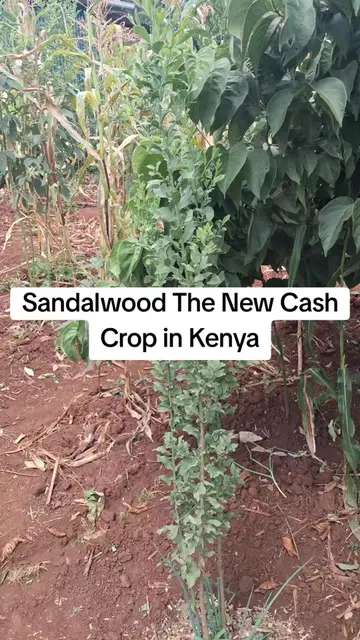
Sandalwood Farming in Kenya
@africanplantresearchcent
17.3K followers · usually 4.6K views a post
Views
27.3K
Likes
891
Comments
73
Shares
164
Why it worked
The video taps into the growing interest in sustainable agriculture and high-value crops, presenting sandalwood farming as a lucrative and environmentally conscious opportunity. The visual appeal of the farm and the clear explanation of its benefits likely resonated with viewers interested in agriculture and investment.
Summary
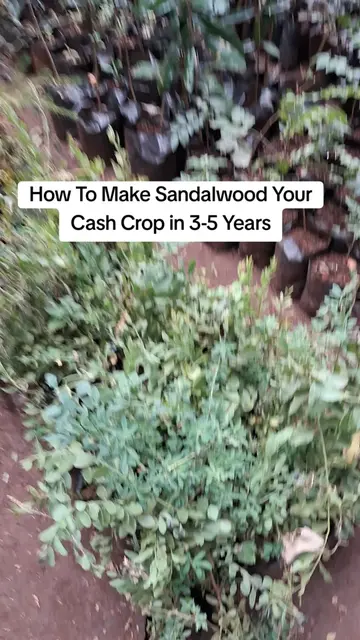
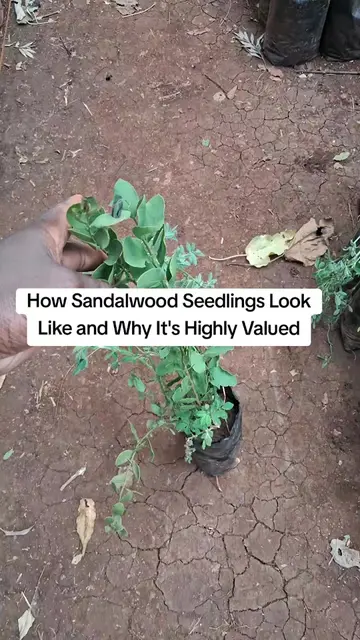
The video discusses the potential of sandalwood farming in Kenya as a sustainable alternative to wild harvesting, highlighting its value and low water requirements. It showcases a sandalwood farm and offers seedlings and consultation services for those interested in venturing into this agricultural practice.
Free accountLocked — create a free account to open
Transcript, structure and on-screen text
6 beats, a 355-word transcript and 4 lines of on-screen text — the parts you need to write your own version.
Original caption
For decades, Kenya has invested heavily in crops like coffee and tea because they create jobs, generate income, and support rural livelihoods. Perhaps it is time we started thinking about African Sandalwood (Osyris lanceolata) in the same way. Unlike harvesting sandalwood from the wild, farming it creates a sustainable supply while protecting the remaining natural populations. Every farmed tree reduces pressure on the few trees left in Kenya's forests. Sandalwood is more than just a timber tree. It produces seeds that are in high demand for conservation and restoration because they are recalcitrant, meaning they cannot be stored for long and must be planted while fresh. This creates a continuous market for quality seed. The tree also has value for essential oils, restoration projects, carbon storage, and biodiversity conservation. Instead of cutting down wild trees, farmers could establish managed plantations and benefit from seed production while allowing the trees to continue growing. Kenya has the climate, the expertise, and increasing demand for indigenous tree products. What we now need is to treat Sandalwood as a crop worth investing in, just as previous generations invested in coffee and tea. If we get it right, Sandalwood farming could become a model where conservation and business grow together, creating income for farmers while ensuring this remarkable indigenous tree survives for generations to come. #AfricanSandalwood #SandalwoodFarming #IndigenousTrees #PlantNative #SustainableForestry
More from @africanplantresearchcent
More breakout videos from this creator.