Loading video…
All breakouts
12.1Talking HeadHow-To hookEducation
Hook
How To Make Sandalwood Your Cash Crop in 3-5 Years
@africanplantresearchcent
17.3K followers · usually 4.6K views a post
Views
53.0K
Likes
1.5K
Comments
115
Shares
289
Promoted product
African Sandalwood seeds
Why it worked
The video taps into the growing interest in sustainable agriculture and high-value crops by highlighting a unique opportunity with an endangered plant. The scarcity of seeds and the potential for profit, combined with the conservation angle, create a compelling narrative for viewers interested in agriculture and environmentalism.
Summary
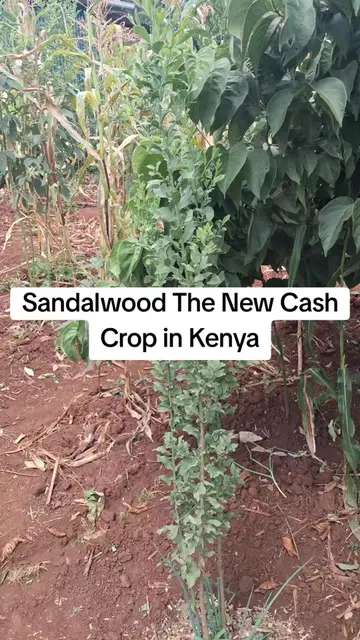
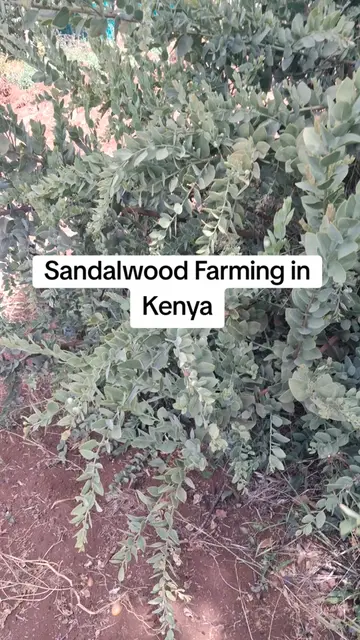
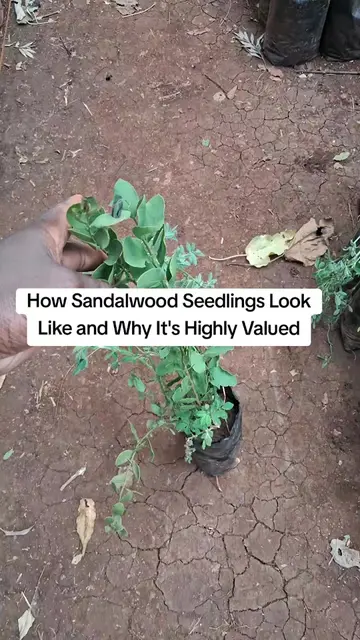
This video explains how to profit from African Sandalwood (Osyris lanceolata) by selling its seeds, which are in high demand due to the tree's endangered status and harvesting bans. The presenter highlights the seeds' recalcitrant nature, their high market value, and the cost of seedlings.
Free accountLocked — create a free account to open
Transcript, structure and on-screen text
6 beats, a 392-word transcript and 1 lines of on-screen text — the parts you need to write your own version.
Original caption
For years, African Sandalwood (Osyris lanceolata) has been cut down for its valuable heartwood and essential oils. But what if the tree is actually worth more alive than dead? One of the most overlooked opportunities lies in its seeds. African Sandalwood produces recalcitrant seeds, meaning they cannot be dried and stored for long like most tree seeds. They lose their viability quickly and must be sown soon after collection. Because of this, fresh seeds are always in demand by conservationists, nurseries, farmers, and institutions such as KEFRI working to restore the species. In Kenya, a kilogram of fresh Sandalwood seed can fetch about KSh 15,000, providing a sustainable source of income without destroying the tree itself. A mature tree can produce seeds year after year. Instead of cutting it down once for timber or oil, landowners can harvest seeds season after season while the tree continues to grow, reproduce, support biodiversity, and store carbon. This is the kind of conservation that benefits both people and nature. By protecting mature Sandalwood trees and establishing seed orchards, we can create a reliable supply of quality seed, support national restoration programmes, and give landowners a long-term economic incentive to conserve the species. Sometimes the greatest value of a tree is not in cutting it down. It is in allowing it to keep producing for generations. #AfricanSandalwood #PlantConservation #IndigenousTrees #ForestRestoration #SeedConservation
More from @africanplantresearchcent
More breakout videos from this creator.