Loading video…
All breakouts
4.0Talking HeadStory Open hookEducation
Hook
So this is
@africanplantresearchcent
17.3K followers · usually 4.6K views a post
Views
18.3K
Likes
531
Comments
39
Shares
61
Promoted product
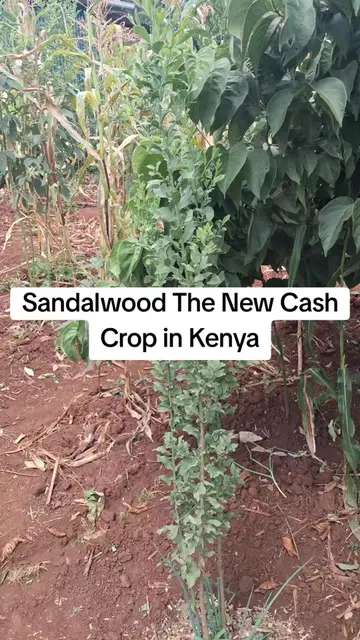
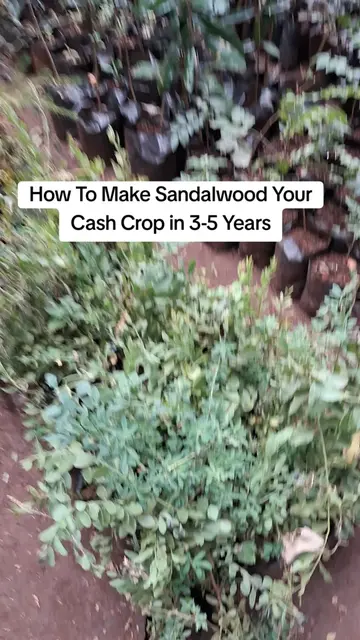
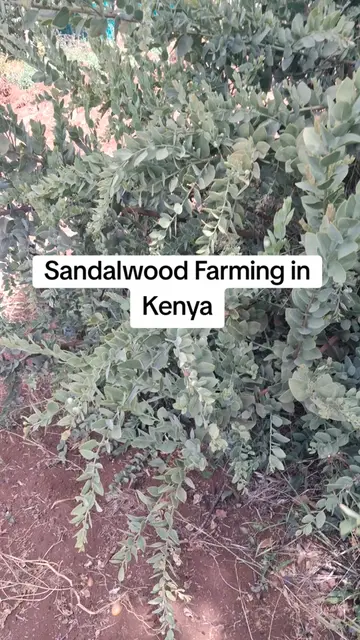
East African Sandalwood
Why it worked
The video taps into the high value and rarity of sandalwood, appealing to viewers interested in profitable agriculture or unique natural resources. The explanation of its uses and the historical context of its endangerment adds intrigue and perceived value.
Summary
The video showcases East African Sandalwood seedlings, explaining their value derived from essential oils extracted from the heartwood, which are highly sought after in perfumery and aromatherapy. It also touches on the historical overexploitation of the species and current government efforts to protect and encourage its cultivation.
Free accountLocked — create a free account to open
Transcript, structure and on-screen text
5 beats, a 308-word transcript and 2 lines of on-screen text — the parts you need to write your own version.
Original caption
Osyris lanceolata, commonly known as East African Sandalwood, is one of the most valuable indigenous trees in Africa. It is known by many names across Kenya, including Kithawa (Kamba), Muthithii (Kikuyu), Kepurwet (Kipsigis), Olosesiai (Maasai), Jemokabyl (Marakwet), Muchai (Meru), Murmurwo (Pokot), Msandali (Swahili), and Kijulu (Taita). Although often found as a small tree or shrub, African Sandalwood is famous for its fragrant wood and roots, which have made it one of the most sought-after indigenous species in East Africa. The tree produces small, fleshy berries that turn from green to bright red when ripe. They are edible, although they have traditionally been eaten only occasionally. Birds also feed on the fruits, helping to disperse the seeds and maintain natural populations. One of the most fascinating features of Osyris lanceolata is that it is a semi-parasitic plant. While it produces its own food through photosynthesis, its roots also attach to nearby plants to obtain additional water and nutrients. This unique adaptation allows it to survive in dry and rocky environments. Unfortunately, its high value has also become its greatest threat. Years of illegal harvesting for its fragrant heartwood and essential oils have caused severe declines in wild populations, making conservation and propagation increasingly important. By planting and protecting African Sandalwood, we are helping conserve one of Kenya's most unique indigenous trees for future generations. #IndigenousTrees #AfricanSandalwood #PlantConservation #PlantNative #BiodiversityKenya
More from @africanplantresearchcent
More breakout videos from this creator.