The video succeeds by breaking down a complex, intimidating topic (AI agents) into a logical, step-by-step framework (the 6 rungs) that feels achievable, while using a personal case study to prove the system's effectiveness.
Summary
The creator explains how to build an AI employee by stacking six specific components: context, memory, a lane, tools, a schedule, and guardrails. He demonstrates his own system using a Google Sheet to manage AI-drafted email replies, emphasizing that the training process is what makes the system valuable and unique.
Structure
1Defining the AI employee concept
2Explaining the 6-rung build process
3Demonstrating the creator's personal system
Original caption
How to build an AI employee that works while you sleep. An AI agent is just a loop (goal → step → check → repeat) that can reach for tools. On its own it hits a wall: it forgets everything, waits for you, owns nothing. The ladder that turns it into staff: • ① context — files YOU write; it reads them every run so nothing's generic, and they grow (you're raising it) • ② memory — facts + your rules + how-to's; a skill is a memory • ③ a lane, not a task • ④ tools — MCP, ~1 min to connect • ⑤ a schedule — wakes on its own, pings you only for decisions • ⑥ guardrails — low-stakes it does; high-stakes it drafts and waits for your yes I run mine from a Google Sheet — it drafts every reply in my voice, I approve in 10 minutes, every 30 minutes it sends the approved ones and learns from my revisions. The moat: anyone can buy the same AI. Nobody has your context. Come build it with me. #aiemployee #aiagent #aiautomation #professorglitch
More from @pro.glitch
More breakout videos from this creator.
4Addressing the training phase and compounding value
5Call to action for the creator's course
Product placement
The video promotes the creator's AI automation course, "Professor Glitch," which is linked in his bio.
Call to action
Check my profile.
On-screen text
01 // THE HOOK
🧠 BUILD AN AI EMPLOYEE
✨ WORKS 24 / 7
⏱ WHILE YOU SLEEP
⚙️ TRAINS ON EVERYTHING YOU DO
NOT A CHATBOT.
NOT A ONE-OFF.
STAFF.
💾 SAVE THIS ONE
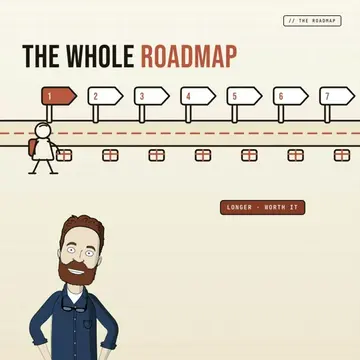
longer than my usual — on purpose.
NOT THE SURFACE.
THE WHOLE BUILD.
02 // A LOOP
➡️ START AT THE BOTTOM
AN AGENT IS A LOOP.
⭐ GOAL
⚡ ONE STEP
👁 CHECK
✨ NEXT STEP
REPEAT - UNTIL THE JOB IS DONE
THE WHOLE MAGIC WORD
A LOOP.
and the second thing...
03 // PLUS TOOLS
IT CAN PICK UP A TOOL.
G SEARCH THE WEB
⚡ RUN SOMETHING
📧 HIT AN APP
🚫 INSTEAD OF JUST TALKING
A LOOP + TOOLS
= AN AGENT.
✉️ YOU'VE YOU'VE ALREADY USED ONE
"draft these emails" — and off it goes.
04 // THE WALL
THE WALL.
⭕ FOUR WALLS, ACTUALLY
🚫 FORGETS EVERYTHING
every run starts from zero
🕒 WAITS FOR YOU
only moves when you poke it
💼 OWNS NOTHING
task in - task out - gone
🔔 NOBODY NOTICES
when it messes up, silence
WHAT YOU'VE ACTUALLY GOT
a very smart temp with...
AMNESIA
NO SCHEDULE
NO JOB
WE FIX ALL FOUR.
ONE AT A TIME
05 // RUNG 1 : CONTEXT
1 RUNG
⏱ SLOW DOWN HERE
the one that actually matters — more than the model
CONTEXT
📄 A SET OF FILES - WRITTEN BY YOU
👤 your business
👥 your customers
🗣 how you talk
🏷 what you sell
🧠 IT READS THEM EVERY SINGLE TIME IT WORKS
NOTHING IT DOES IS GENERIC.
it answers like your business.
it's literally reading your business before it moves.
06 // IT GROWS
THAT CONTEXT ISN'T FROZEN.
📊 YOUR CONTEXT, RUN OVER RUN
⚡ it works...
📄 ...it writes more back
IT GROWS.
YOU ARE, GENUINELY, RAISING AN AI
until it understands your operation better than most people you'd hire.
07 // RUNG 2 : MEMORY
2 RUNG
MEMORY
context = what you give it
⚠️ HI CONTEXT'S TWIN - NOT THE SAME THING
memory = what it keeps — from doing the work
🚫 THREE FLAVOURS - FORGET THE NAMES
📄 it remembers facts
🚫 it remembers your rules
"no - we never discount below 20%"
🔒 SAVED. NEVER BROKEN AGAIN.
08 // A SKILL IS A MEMORY
THE ONE PEOPLE MISS
IT REMEMBERS HOW TO DO THINGS
📄 a saved way of working
↪️ step by step
✔️ for one specific job
= A SKILL.
🎵 PROCEDURAL MEMORY
forget the name.
teach it once -> it owns it forever
context = what it knows about you
memory = what it's learned working for you
THE THING NO COMPETITOR CAN COPY
09 // RUNG 3 : A LANE
3 RUNG
🚫 STOP GIVING IT TASKS
A LANE, NOT A TASK
"draft this email"
DOES IT - GONE
"you own the inbox."
READ
SORT
DRAFT
FLAG WHAT I MUST SEE
🕒 EVERY DAY - UNASKED
you stop assigning work.
the work is just... handled.
A TOOL YOU OPERATE
-> A WORKER WHO OPERATES
10 // RUNG 4 : TOOLS
4 RUNG
TOOLS. REAL HANDS.
🚫 KNOWLEDGE THAT CAN'T TOUCH ANYTHING IS USELESS
PLUG IT INTO YOUR REAL APPS
📧 EMAIL
📅 CALENDAR
📄 FILES
📊 CUSTOMER LIST
THREE WAYS IN:
MCP
A CLI
AN API
ignore that sentence if it scared you.
STARTING OUT?
JUST USE MCP.
PLUG & PLAY
📧 EMAIL HOOKED UP IN ~1 MIN
STOPS DESCRIBING. STARTS DOING.
it doesn't tell you to send it - it sends it
11 // RUNG 5 : A SCHEDULE
5 RUNG
🕒 THE "WHILE YOU SLEEP" RUNG
A SCHEDULE
🕒 EVERY MORNING
🕒 EVERY HOUR
🌙 OVERNIGHT
ON ITS OWN CLOCK
✨ wakes up by itself
↪️ runs its lane
🔔 pings you only when a human must decide
✅ IT WORKED THE WHOLE NIGHT
"here's what I handled — and the 2 things you need to look at."
NOT MAGIC - FINALLY PUT ON A CLOCK:
CONTEXT
MEMORY
A LANE
TOOLS
12 // RUNG 6 : GUARDRAILS
6 RUNG
🚫 DO NOT SKIP THIS ONE
GUARDRAILS + APPROVAL
🔒 SET THE FENCE FIRST
✔️ what it's allowed to touch
🚫 what it must never touch
⚠️ what needs your yes first
✅ low-stakes -> it just does it
⚠️ high-stakes -> it drafts & waits
THE REFUND OVER A GRAND
THE EMAIL TO YOUR BIGGEST CLIENT
you're not doing the work anymore.
YOU'RE APPROVING IT.
YOU BECOME THE ONE WHO SAYS GO.
13 // MY ACTUAL SYSTEM
LET ME SHOW YOU MINE.
I ACTUALLY RUN THIS
REPLY QUEUE - MY INBOX
✉️ EVERY SO OFTEN, IT WAKES UP
👁 reads my entire inbox
📄 the whole thread, every email
MY CONTEXT
MY PROCEDURE
MY RULES
it drafts every reply exactly how I'd write it.
ALL MARKED "PENDING"
🚫 IT SENDS NOTHING
THAT'S ME.
14 // TEN MINUTES
MY PART: TEN MINUTES.
I GO DOWN THE LIST
APPROVED
SKIP
NEEDS REVISION
charter - and no discount
🕒 ON A TIMER
EVERY 30 MINUTES - IT RUNS AGAIN
✅ approved -> sent
revisions -> learned from my note
A FEW WEEKS IN, IT HANDLES ITSELF
THAT'S MY ACTUAL TUESDAY.
15 // THE TRAINING LOOP
THE PART PEOPLE QUIT
- RIGHT BEFORE IT GETS GOOD
📈 you'll think it's broken, it's not - that's the training.
WHAT CONTEXT + MEMORY ARE FOR
🚫 every mistake ...
💬 -> a correction
🔒 -> it sticks
gets better every single week.
16 // STACK ALL SIX
STACK ALL SIX.
CONTEXT
MEMORY
A LANE
TOOLS
A SCHEDULE
GUARDRAILS
a chatbot -> a worker
RUNS ITS LANE 24/7
KNOWS YOUR BUSINESS COLD
= AN AI EMPLOYEE.
BUILD ONE -> BUILD THE NEXT
one shared brain about your business
👥 I RUN FIVE
GLITCH
NOVA
QUELL
ATLAS
RACK
A COMPANY THAT MOSTLY RUNS ITSELF.
17 // THE MOAT
THE HONEST TRUTH
THE MOST VALUABLE THING YOU CAN BUILD RIGHT NOW
AND THE ONE THING NOBODY CAN COPY OFF YOU
anyone can buy the same AI.
NOBODY HAS YOUR CONTEXT.
and nobody has the weeks you spent training it on your actual work.
I did that.
it's paying me back now.
18 // COME BUILD IT
EVERY RUNG IS BUILDABLE.
the hard part: doing it right, in order
🚫 WITHOUT WASTING 3 MONTHS GUESSING
EXACTLY WHAT I TEACH
📅 tens of hours, step by step
first plain agent -> a team on your real work
serious about actually building this — not just watching someone talk about it
COME DO IT WITH ME.
CHECK MY PROFILE
Transcript
I'm going to show you exactly how to build an AI employee. One that works for you 24/7 while you're asleep and gets better every day by training on everything you do. Not a chatbot, not a one-off. Staff. Save this one because it's longer than my usual on purpose. I'm not giving you the surface. I'm giving you the whole build. Start at the bottom. Everyone throws around AI agent. Here's what it actually is simply. An agent is a loop. It looks at a goal, takes one step toward it, checks what happened, takes the next step, and keeps looping until the job is done. That's the whole magic word. A loop. And the second thing, it can reach outside itself. It can pick up a tool, search the web, run something, hit an app, instead of just talking. A loop plus tools it can reach for. That's an agent. You've probably already used one. You tell it draft these emails and off it goes. But an agent on its own hits a wall. Fast. Four walls, actually. It forgets everything the second it finishes. Every run starts from zero. It only works when you show up and poke it. It owns nothing. You hand it a task, it hands it back, done. And when it messes up, nobody notices. That's not an employee. That's a very smart temp who has amnesia, no schedule, and no job. So everything from here is us fixing those four things, one at a time. Watch. Rung one. And I need you to slow down here because this is the one that actually matters more than the model, more than anything. It's called context. Here's what it really is. A set of files written by you that hold everything about your world. Your business, your customers, how you talk, what you sell, and what you've decided and why. Plain files and the AI reads them every single time it works. So nothing it does is generic. It doesn't answer like a chatbot, it answers like your business because it's literally reading your business before it moves. And here's the part that makes it alive. That context isn't frozen. Every time the employee works, it writes more of it back. It grows. You are genuinely raising an AI until it understands your operation better than most people you'd hire. Rung two is memory. And it's the twin of context but not the same thing. Context is what you give it. Memory is what it keeps from doing the actual work. Three flavours and don't get hung up on the names. It remembers facts. It remembers the rules. Every time you correct it, no we never discount below 20%, that's saved and it never breaks it again. And the one people miss, it remembers how to do things. A saved step-by-step way of doing a specific job. That's a skill. The proper name is procedural memory, but forget the name. The point is you can teach it a whole procedure once and it owns that procedure forever. Context is what it knows about you. Memory is what it's learned working for you. Together, that's the thing no competitor can copy. Rung three, stop giving it tasks. Give it a lane, not a task. A task is draft this email. It does it, it's gone. A lane is you own the inbox. The whole thing. Read what comes in, sort it, draft the replies, flag the ones I actually need to see. Every day without me asking. The moment it owns a lane instead of a task, you stop assigning work. The work is just handled. That's the jump from a tool you operate to a worker who operates. Rung four, give it real hands. All that knowledge is useless if it can't actually touch anything. So you connect it to your real apps. Email, calendar, files, your customer list. Now there are three ways to do that. MCP, a CLI, or an API. Ignore that sentence if it scared you. Here's all you need. If you're starting out, use MCP. It's the simple one, it's the plug and play one, and you can hook up something like your email in about a minute. The other two you grow into. Snap a tool in and the thing stops describing the work and starts doing it. It doesn't tell you to send the email, it sends it. Rung five. And this is the while you sleep part. Right now, it still waits for you. So you put it on a schedule. Every morning, every hour, overnight. It wakes up by itself, runs its lane, and pings you only when a human actually has to decide something. You go from operating the AI to just hearing from it. It worked the whole night. You wake up to here's what I handled and the two things I need you to look at. That's the 24/7. It's not magic. It's context, memory, a lane, and tools finally put on a clock. Rung six, and do not skip this one. The guardrails plus approval. Something this capable, running while you sleep, touching your real accounts. You set the fence first. What it's allowed to touch, what it must never touch, and which decisions it has to run past you first. The low-stakes stuff, it just does. The high-stakes stuff, the refund over a grand, the email to your biggest client, it drafts and waits for your yes. You're not doing the work anymore. You're approving it. That's the whole shift. You stop being the operator and become the one who says go. Let me show you mine because I actually run this. Forget anything fancy. It's a Google Sheet. Everybody knows how to use a Google Sheet. Here's what happens. Every so often, one of my employees wakes up and reads my entire inbox. Not the last reply, the whole thread, every email. And because it has my context, how I talk, who my customers are, and the procedure I taught it, and every rule it's learned from my past corrections, it drafts every reply exactly how I'd write it. Then it drops each one into the sheet with a little drop-down next to it, all marked pending. It does not send anything. That's the human part. That's me. So I sit down, 10 minutes, and I go down the list. Most of them I just hit approved. A few I hit skip. Don't send that one. And a couple I hit needs revision and I type what I want changed in the next column. Then it's on a timer. Every 30 minutes, it runs again. The approved ones, it sends them and flips them to sent. The revision ones, it takes what I typed, fixes them, and learns from what I said so it drafts better next time. Do that for a few weeks and it basically handles itself. That's not a demo. That's my actual Tuesday. One warning because it's where most people quit. Right before it gets good. The first few days it's rough. It'll get things wrong and you'll think it's broken. It's not, that's the training. This is exactly what the context and the memory are for. Every mistake becomes a correction, every correction sticks. Rough on day three, sharp by day 30, genuinely yours by day 60. A normal tool is as good on day 100 as day one. This one compounds. Gets better every single week because it's learning you. So stack all six. Context, memory, a lane, tools, a schedule, and guardrails. And you don't have a chatbot anymore. You have a worker that runs its lane 24/7, knows your business cold, and gets sharper every week. That's an AI employee. And once you've built one, you build the next. Each one owns a lane, they share one shared brain about your business, and five of them means you're not running tasks anymore. You're running a company that mostly runs itself. And I'll tell you the honest truth about why this matters. This is the single most valuable thing you can build right now and it's the one thing nobody can copy off you. Anyone can buy the same AI. Nobody has your context and nobody has the weeks you spent training it on your actual work. I did that. It's paying me back now. Now, wait, every rung I just gave you is buildable. But building it right, in order, without wasting three months guessing, that's the hard part and it's exactly what I teach. Tens of hours, step by step from your first plain agent to a team of employees running your real work. If you're serious about actually building this, not just watching someone talk about it, come do it with me. Check my profile. I'll see you in there.