Loading video…
All breakouts
114Talking HeadOther hookCreator Economy
Hook
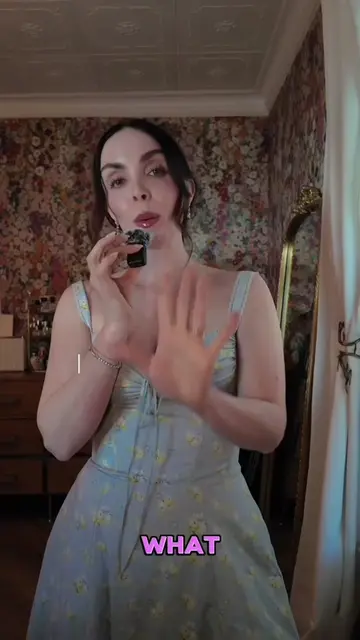
The panopticon will be user-generated.
@rachelissan
102.2K followers · usually 1.6K views a post
Views
185.0K
Likes
38.3K
Comments
1.0K
Shares
3.7K
Why it worked
The video succeeds by framing a common social media behavior (filming strangers) within a broader, intellectual critique of surveillance culture, making the viewer feel like they are learning something profound about society.
Summary
The creator discusses the cultural trend of Gen Z policing public behavior and morality, arguing that this leads to a form of 'user-generated surveillance' or 'micro-fascism.' She uses the example of a viral video of a couple kissing in a park to illustrate how people justify filming others without consent under the guise of accountability.
Structure
- 1Introduction to user-generated surveillance
- 2Analysis of the viral park kissing video
- 3Discussion on Gen Z's fear of being 'cringe'
- 4Comparison to Love Island's 'lustful' discourse
- 5Theoretical framework of micro-fascism and over-coding
- 6Conclusion on the dangers of self-policing
On-screen text
The Personal Panopticons
User-generated surveillance
Super super creepy to record ppl
What's even creepier is 2 grown people making out in a public park while kids are around you dense Honda civic
They shouldn't be making out in public
their were children around them at the park. if they can makeout in public around others like that they deserve it
Report it or call the cops tbh. I don't think making out infront of kids willingly is normal. Especially if it looks like they are swallowing eachother. You're weirder for defending that gross behavior.
100% work affair
Lmk when we find the husband/wife
the cheaters in the comments calling for privacy in public are sending me
If they wanna show PDA, then they'll get the attention
They quite literally should have gotten a room. Nice of you to teach them a lesson!
Sources: UCLA, Talker Research
43% say sex scenes are unnecessary
26% of millennials
WHY WAS "LUSTFUL" THE BUZZWORD OF LOVE ISLAND USA THIS YEAR?
For some viewers, the islanders' use of lustful is rooted in a religious-driven purity culture that ultimately saw contestants rebuking and condemning one another for said lustful behavior.
need everyone on love island to stop using the word "lustful." are we puritans. do i need to start lighting matches for the witch burning
But why are adults doing this in public. Like gross.
So making out in a public park isn't weird?
WHY IS EVERYBODY TALKING ABOUT THE RECORDING? THE CHEATERS are the problem here.
The cheaters are a problem to their respective partners. Recording people like this and posting is a privacy violation for all of us
gross. don't film strangers & turn them into content for your amusement
I SPENT 35 DOLLARS!
FOR SOMETHING I CAN'T USE!
If they weren't MAKING OUT IN PUBLIC they wouldn't have been recorded
why are they making out at a park what da freak
So they shouldn't be doing it. In front of children at that.
this isnt lame its funny ash who cares we get recorded by mass surveillance from the government everyday
Original caption
The panoptican will be user generated: everyone is a 👮🏻 now. #privacy #culture #genz #insights #marketingtrends keywords: culture, Gen Z, privacy, digital privacy, media literacy, jay guapo, NYC couple kissing on park bench, surveillance, cultural trends, trends report, careertok, millennials of TikTok, creator search insights
More from @rachelissan
More breakout videos from this creator.