Loading video…
All breakouts
8.0Talking HeadDirect Question hookHealth
Hook
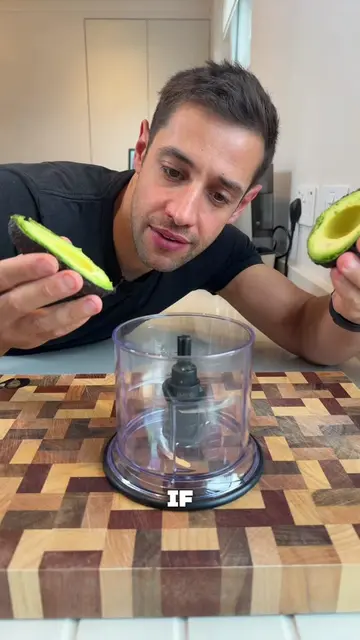
Did you know to get 5
@adamhoad_coaching
872.1K followers · usually 83.0K views a post
Views
653.5K
Likes
45.0K
Comments
542
Shares
7.4K
Why it worked
The video uses a common comparison format (food vs. supplements) with visually distinct examples to make a nutritional point engaging. The use of on-screen text and clear comparisons helps viewers quickly grasp the information, making it easily shareable and educational.
Summary
The video compares the amount of certain nutrients obtainable from whole foods versus supplements. It highlights that while some nutrients like creatine are difficult to get in sufficient quantities from food alone, many others like omega-3s, magnesium, and vitamin C can be readily obtained from everyday foods like salmon, pumpkin seeds, and red peppers.
Structure
- 1Introduction to creatine and beef comparison
- 2Salmon vs. fish oil comparison
- 3Pumpkin seeds vs. magnesium supplement comparison
- 4Red pepper vs. vitamin C comparison
- 5Conclusion on whole foods vs. supplements
Product placement
Creatine: acts - it is a supplement that provides a benefit. Removing it would change the video's point. Beef: acts - it is presented as a food source for creatine. Removing it would change the video's point. Salmon fillet: acts - it is presented as a food source for omega-3s. Removing it would change the video's point. Fish oil capsule: acts - it is presented as a source of omega-3s. Removing it would change the video's point. Pumpkin seeds: acts - they are presented as a food source for magnesium. Removing them would change the video's point. Magnesium supplement: acts - it is presented as a source of magnesium. Removing it would change the video's point. Red pepper: acts - it is presented as a food source for vitamin C. Removing it would change the video's point. Vitamin C: acts - it is a nutrient that can be obtained from food. Removing it would change the video's point.
Original caption
💊 Do you really need all those supplements? Some, like creatine, can be incredibly useful because getting an effective dose from food alone isn’t realistic. But many of the vitamins and minerals people supplement can already be found in everyday foods. 🐟🎃🌶️ And the bonus? Whole foods give you protein, fibre, healthy fats and plenty of other nutrients at the same time. Food first. Supplements to fill the genuine gaps. 💪
More from @adamhoad_coaching
More breakout videos from this creator.