Loading video…
All breakouts Locked — upgrade to Pro to open.Open on TikTokPro
No preview available · watch on TikTok below
10.4Education
Post
Post by @pegasusphysio
@pegasusphysio
13.2K followers · usually 1.6K views a post
Views
17.0K
Likes
156
Comments
2
Shares
13
We’re still analyzing this post.
Original caption
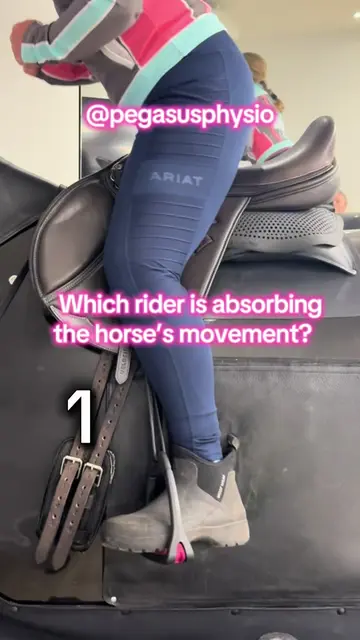
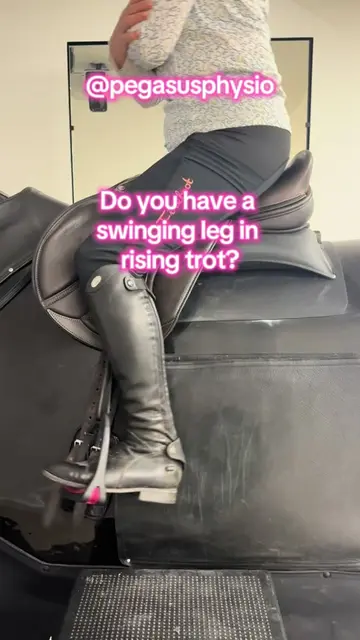
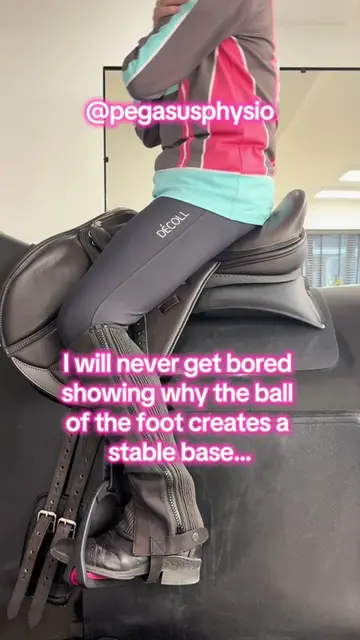
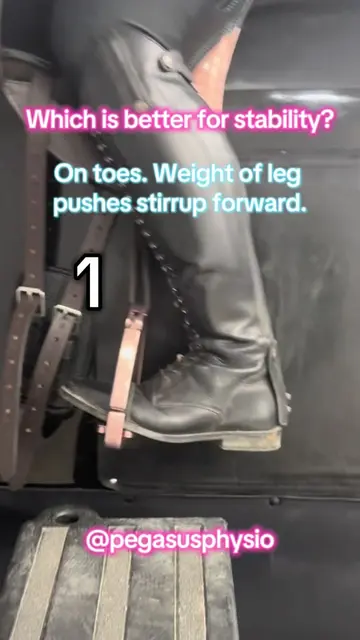
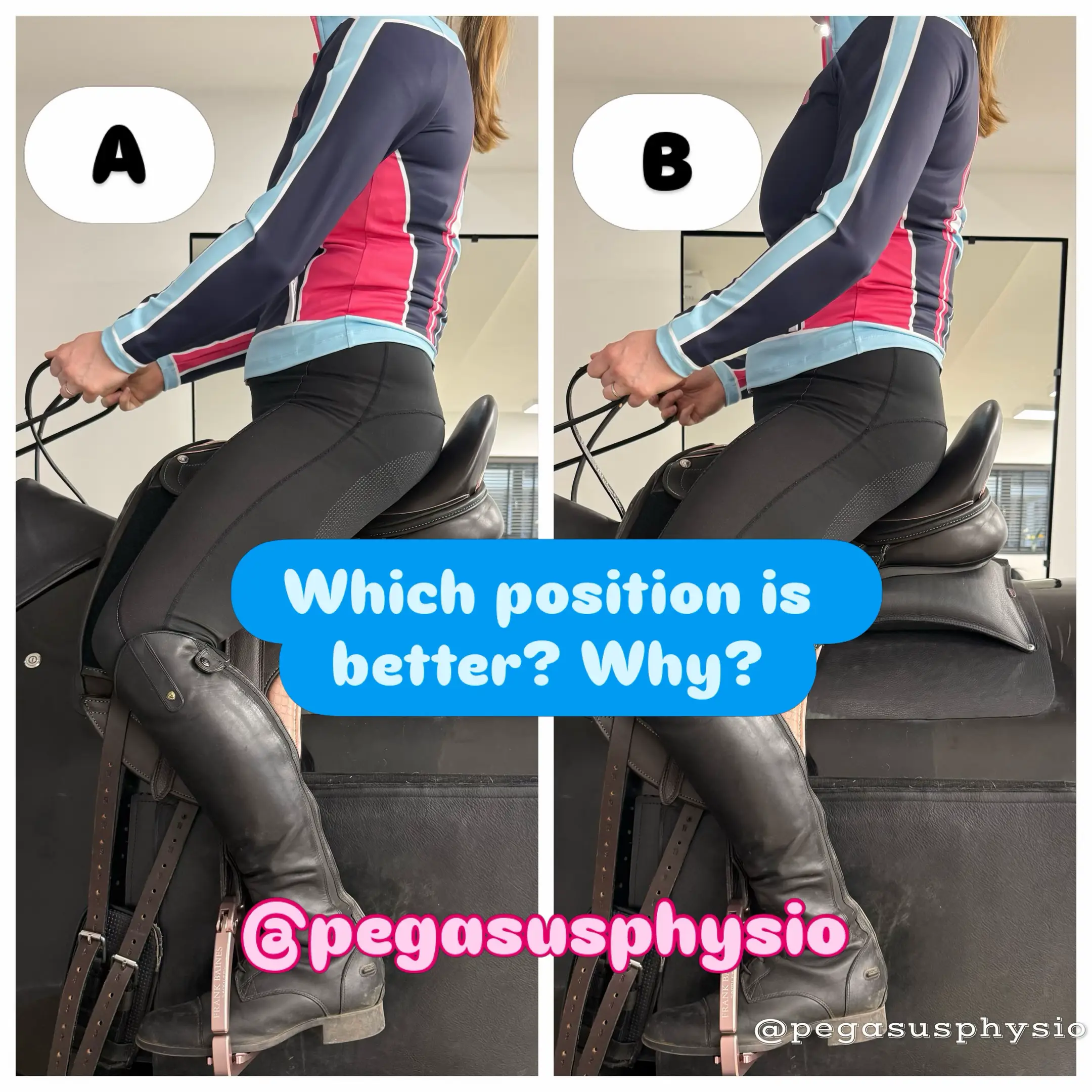
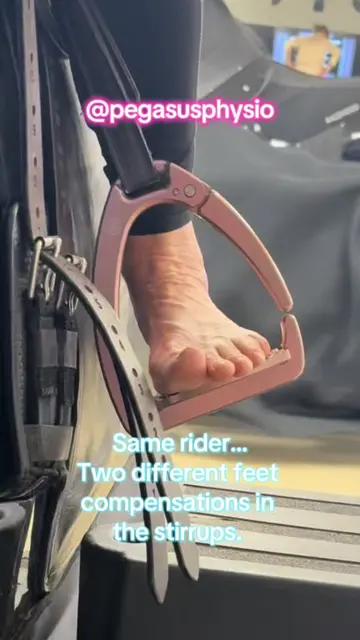
👌Yesterday I talked about why we need to look beyond heel position and actually look at what is happening between the foot and the stirrup. This is why it matters... Your stirrup is part of your base of support. It is one of the surfaces through which forces are transmitted between the rider and the horse, so its orientation matters. When the stirrup is relatively horizontal, as in the first image, the reaction force from the stirrup is directed predominantly vertically back through the foot. You have a stable surface to load, good contact through the ball of the foot and an ankle that still has movement available. Drop the heel further and the stirrup can start to rotate forwards. The surface you’re loading is now angled, so the reaction force acting back through the foot changes direction too. At the same time, the ankle often moves further towards dorsiflexion, leaving less movement available to respond to the horse. Move the stirrup onto the toes and you have an even smaller base of support. The toes are extended, the soft tissues underneath the foot are tensioned and you’ve reduced the stable contact between your foot and the stirrup. This is why “heels down” isn’t enough information to tell us whether a rider has a stable lower leg. We need to look at the base they’re balancing over. Balance comes from your base of support, not how far you can push your heel down. And once you start looking at the stirrup rather than the heel, you see rider position very differently. If you want to understand the biomechanics behind your position rather than simply being told where your body should be, the Riding Ready Position Course takes you through the foot, ankle, lower leg, thigh and hip- helping you understand what your body is doing, why it’s doing it and how to change it. Join the Riding Ready Position Course and start understanding the why behind your position. #riderphysio #riderbiomechanics #ridingexplained #ridingready #horseriders
More from @pegasusphysio
More breakout videos from this creator.