Loading video…
All breakouts Locked — upgrade to Pro to open.Open on TikTokPro
No preview available · watch on TikTok below
13.3Education
Post
Post by @pegasusphysio
@pegasusphysio
13.2K followers · usually 1.6K views a post
Views
21.6K
Likes
502
Comments
15
Shares
53
We’re still analyzing this post.
Original caption
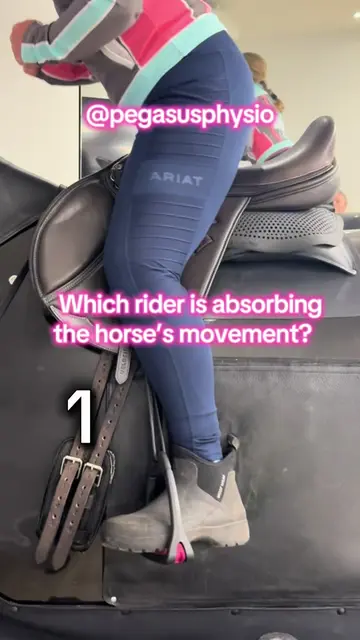
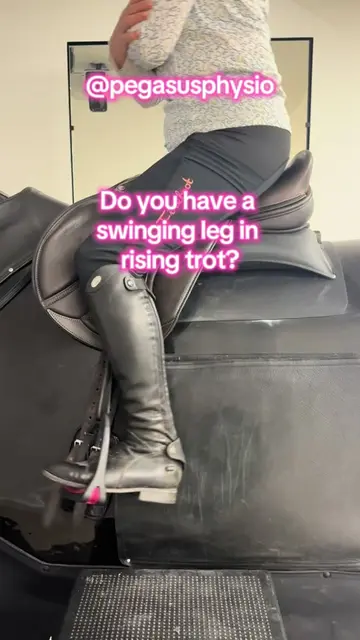
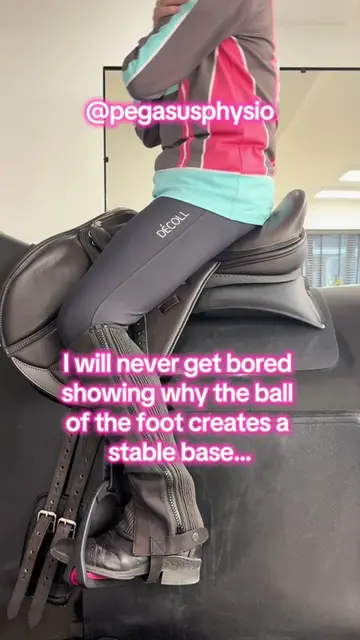
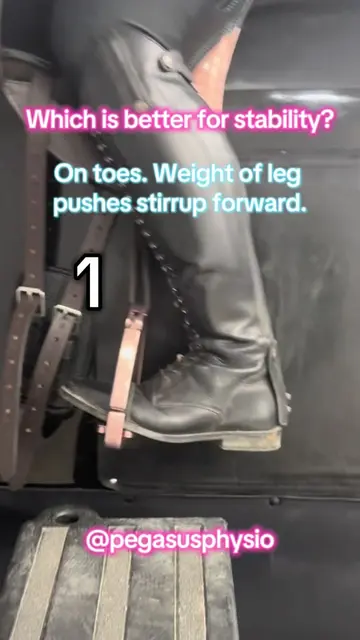
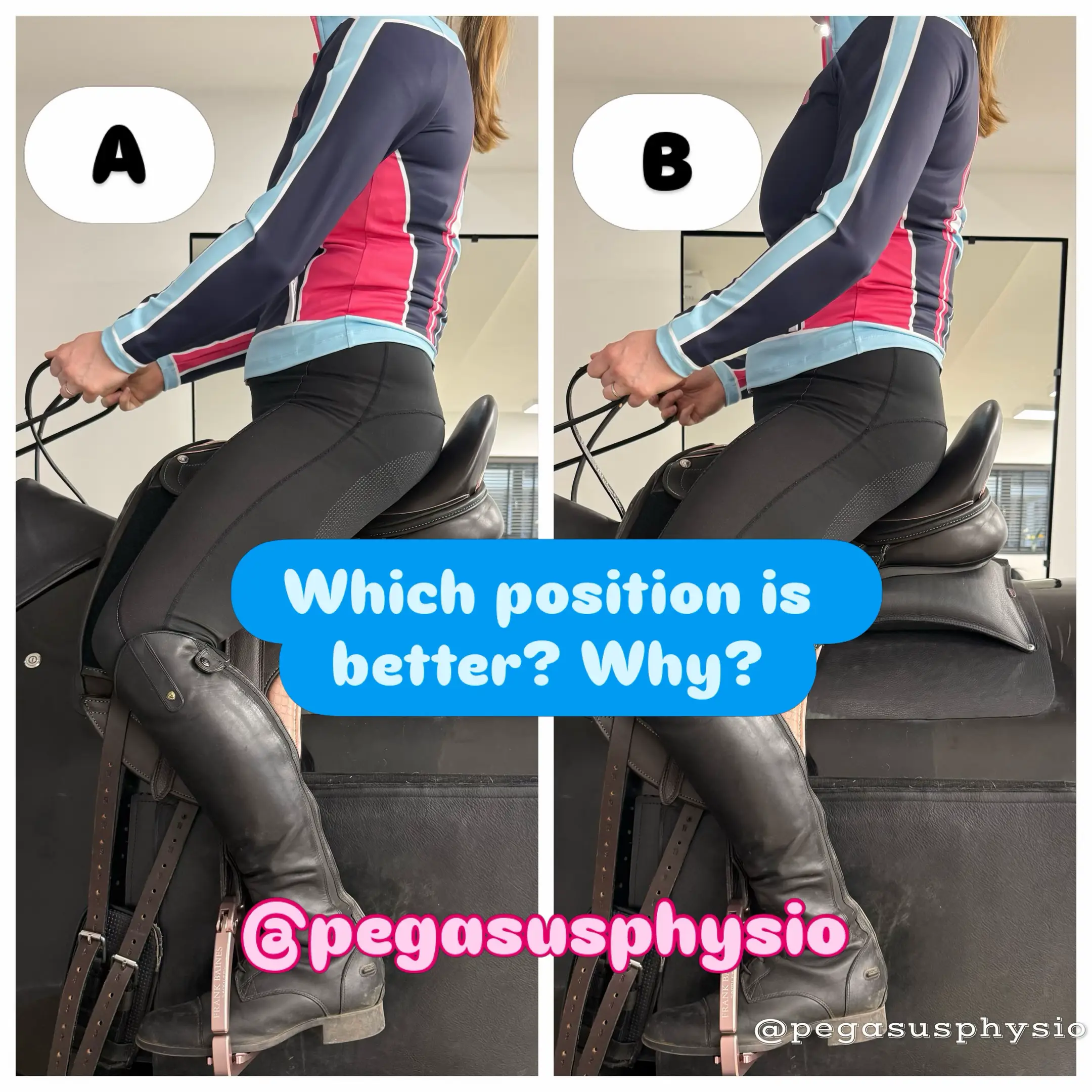
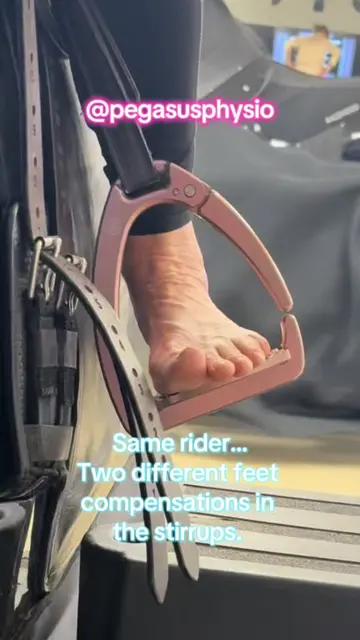
👉Assessing how a rider transfers their weight from their seat to their feet can tell us a lot about the movement strategy they use in the saddle. We can assess this really simply off the horse. Sitting on a chair, lift the heels and transfer your weight forwards onto the balls of your feet. Your centre of mass needs to move forwards over this new, smaller base of support. If your heels drop to the floor, balancing becomes easier because the heels can now become part of your base of support - you have a much bigger area to balance over. But that option doesn’t exist in the stirrups. The heel is in mid-air. It isn’t in contact with a surface, so you cannot transfer body weight into it. Your base of support is the part of the foot actually supported by the stirrup. For this rider, as she tried to transfer weight from her seat into her stirrups, her heels dropped and her knees straightened rather than bringing her centre of mass over her new base of support. On the horse, she then needed another strategy to stay upright - gripping with her legs. Working on this off the horse helped her understand what it actually feels like to transfer weight onto the ball of the foot without relying on the heel for balance, before taking that same movement back into the stirrups. Sometimes what looks like a riding problem makes much more sense when we take the horse out of the equation and look at the movement strategy underneath it. Want to understand how your position actually works, rather than just what it looks like? 💻 Learn the principles in the Riding Ready Position Course 📆 Or book a Rider Physio session to assess your individual movement patterns on and off the horse. #riderphysio #riderbiomechanics #riderposition #ridingready #ridingexplained
More from @pegasusphysio
More breakout videos from this creator.