Loading video…
All breakouts Locked — upgrade to Pro to open.Open on TikTokPro
No preview available · watch on TikTok below
12.2Education
Post
Post by @pegasusphysio
@pegasusphysio
13.2K followers · usually 1.6K views a post
Views
19.6K
Likes
95
Comments
22
Shares
6
We’re still analyzing this post.
Original caption
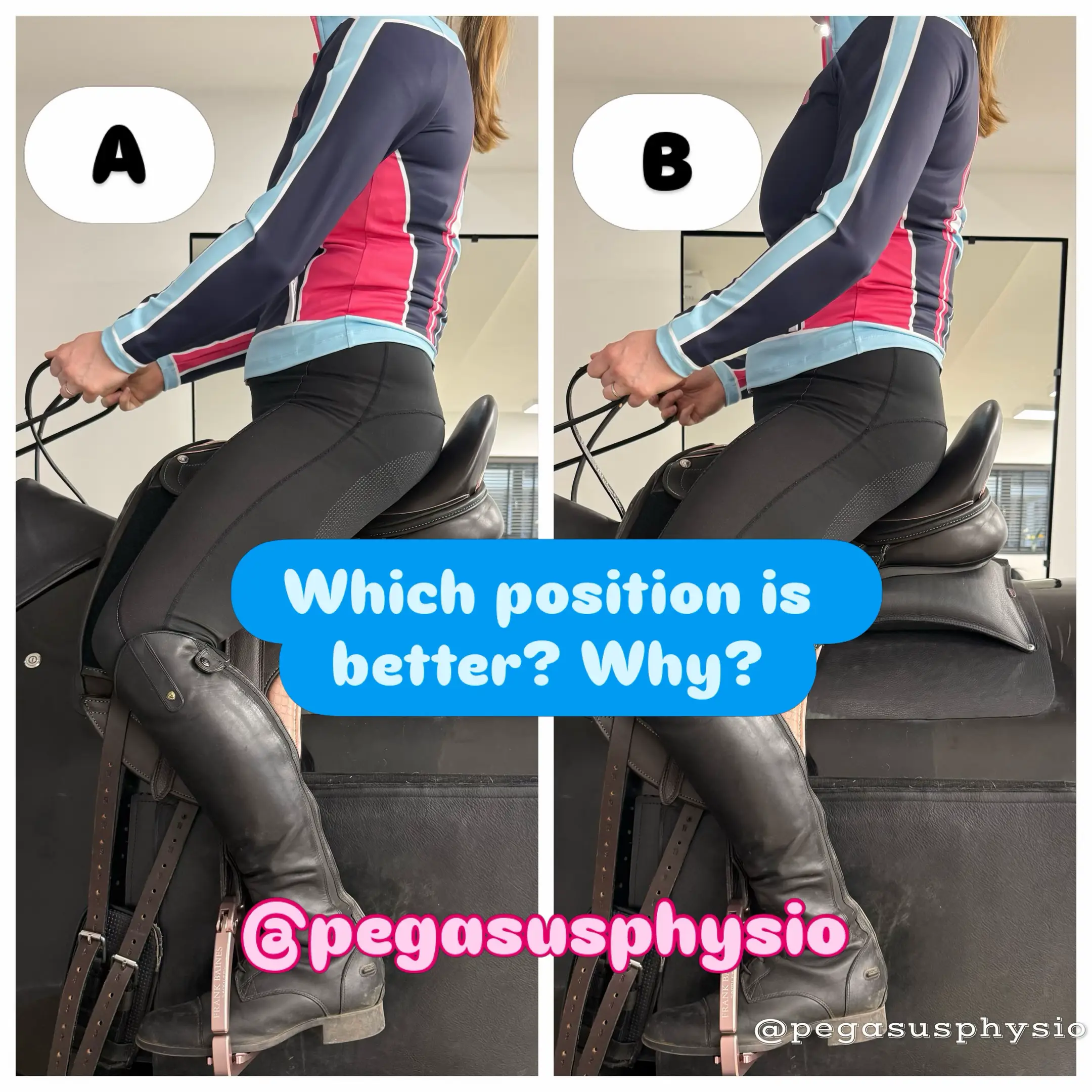
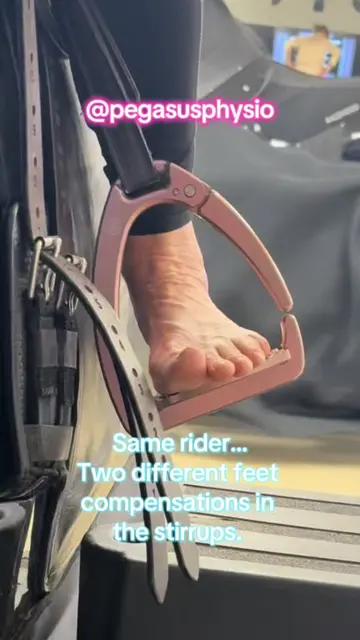
…by looking at is where the dirt and grease is! Here, most of the contact marks are concentrated around the back of the calf, rather than along the inside of the lower leg. For the back of the calf to consistently make contact with the horse, the leg has to be rotated so that the toe turns out and the calf turns in towards the horse. In a Rider Physio session, we can look at why your leg is choosing that position, what movement you have available at the hip, and how you can find a more comfortable, consistent contact with the horse without forcing the foot into position. This is also why I talk so much about finding a Riding Ready position. It isn’t about creating one perfect-looking position. It’s about finding a neutral, balanced starting place where your joints are in a position that allows movement, your weight is supported through your base of support, and your muscles can work effectively to control that movement. Because when we start from a better position, we don’t have to use unnecessary tension or compensations just to stay there, we have more movement available to actually respond to the horse. This is exactly what we work through in the new online Riding Ready courses: understanding the why behind your position, so you can make changes that actually make sense for your body and your riding. #riderphysio #riderbiomechanics #ridingready #horseriders #horseriding
More from @pegasusphysio
More breakout videos from this creator.