Loading video…
Sound

Neon Glance Trance
Pie the Pirate
0:00–:––
Playing this video’s own audio, so you’ll hear the creator over the sound.
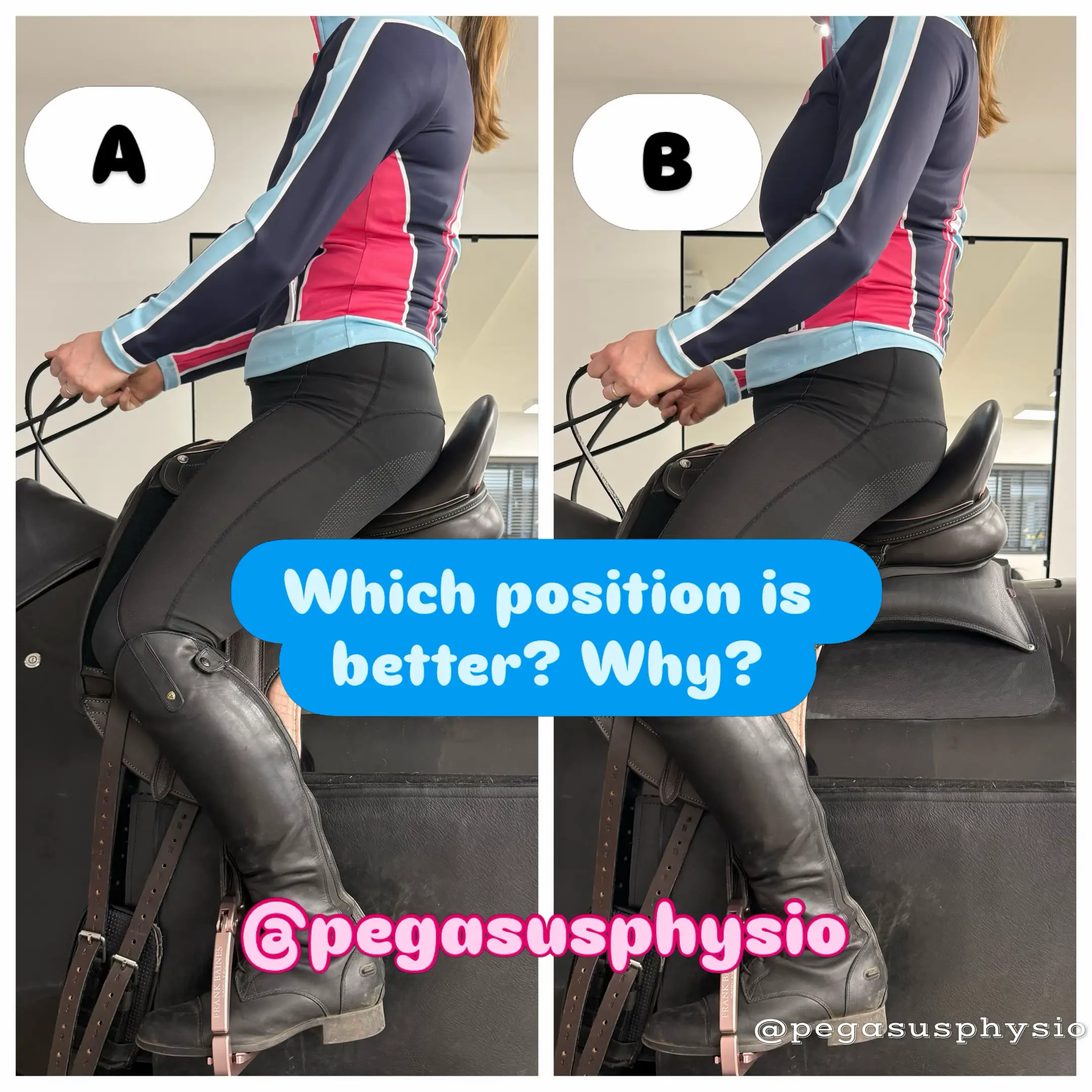
The video provides a clear, visual demonstration of a common issue in equestrian biomechanics, offering valuable insight to riders. The use of on-screen text to highlight specific terms and the direct connection to the creator's expertise (physiotherapy) make it informative and authoritative.
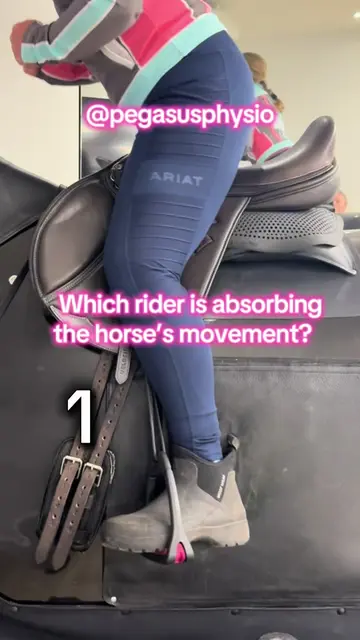
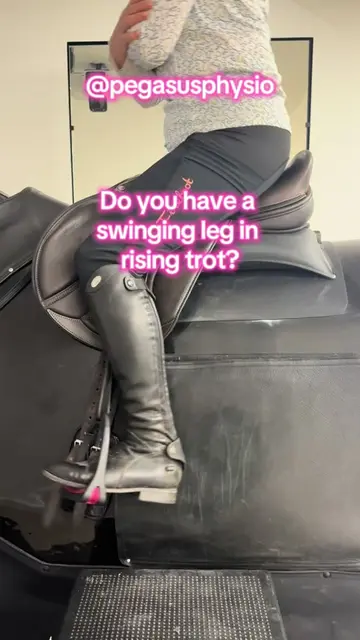
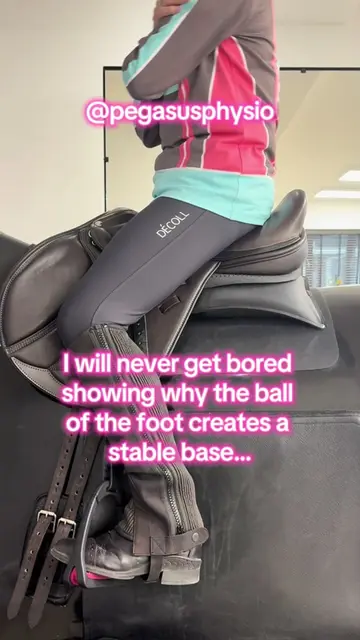
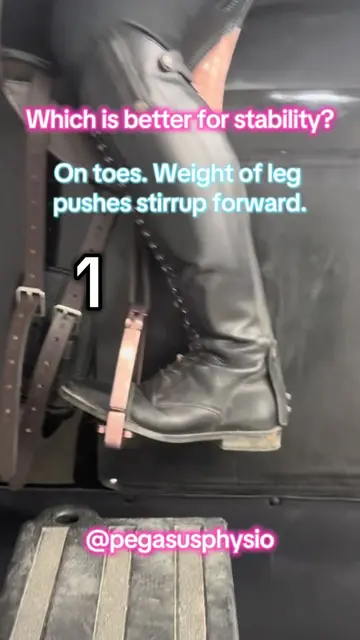
The video demonstrates two different ways a rider's feet compensate in the stirrups, highlighting how these compensations are consistent with issues higher up the rider's body. It emphasizes that these differences are not random but are strategic ways the body seeks stability.
⚖️Once some of your weight is transferred into the stirrups, they become a base of support, and the strategy your feet use to create stability can influence everything further up the leg. This rider was really surprised by how differently each foot behaved. One foot created stability in a completely different way to the other. But it wasn’t random, it was entirely consistent with what we were seeing higher up the chain and off the horse. Our bodies are brilliant at finding ways to stay safe and stable. If one area isn’t moving or controlling movement as well as it could, another part of the body often adapts to compensate. The feet are no exception. Rather than trying to make both feet look the same, it’s much more useful to understand why they’re behaving differently in the first place. That’s where lasting improvements start. For this rider, previous ankle and leg injuries had left her with stiffness through the foot and ankle. Her feet had simply developed different strategies to create stability. Understanding that means we can target the underlying physical limitations off the horse, rather than just trying to change what the feet look like in the saddle. As mobility and control improve off the horse, those changes become much easier to achieve when riding. Want to understand what your body is doing in the saddle? Book a Rider Physio Assessment at Racewood HQ in Cheshire, or at the East Sussex clinic on 15–16 August, and discover the physical factors that may be influencing your riding.
@pegasusphysio
Introduction of the rider and stirrups
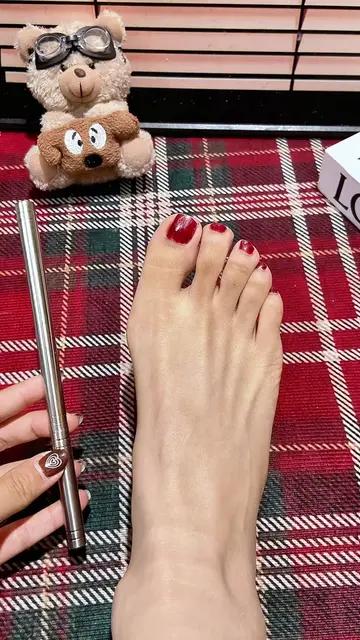
Demonstration of the first foot compensation (big toe lifting)
Explanation of the second foot compensation (ankle abduction and eversion)
Connection of foot compensations to overall rider biomechanics
Pegasus Physio (ACTS - provides physiotherapy services, demonstrated by the explanation of rider biomechanics; removing it would change the video's focus and authority).
Playing this video’s own audio, so you’ll hear the creator over the sound.
Outliers and viral hits: their videos on Overshot, all time.
Physiotherapy services for horse riders
All time.