Loading video…
All breakouts
362Talking HeadOther hookEducation
Hook
@pegasusphysio
@pegasusphysio
13.2K followers · usually 1.6K views a post
Views
589.7K
Likes
6.4K
Comments
210
Shares
70
Why it worked
The video uses a clear visual comparison to explain a common riding challenge, making it relatable and educational for equestrians.
Summary
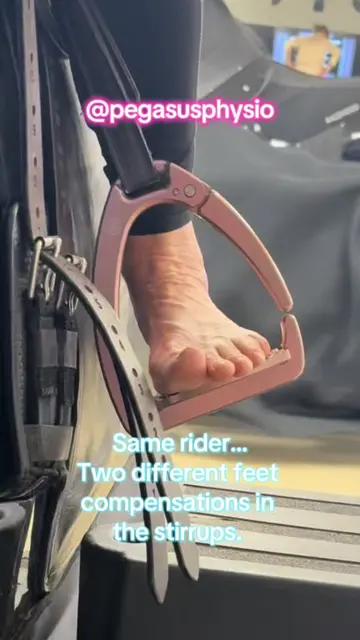
The video demonstrates two riding techniques for absorbing a horse's movement. It contrasts a rigid rider who is bounced by the horse's motion with a rider who uses their joints to absorb the movement.
Structure
- 1Introduction to the challenge of absorbing horse movement
- 2Demonstration of a rigid rider
- 3Explanation of how a rigid rider is bounced
- 4Demonstration of a rider using their joints
- 5Explanation of how joints absorb movement
Product placement
Ariat (pants) - APPEARS - removing it would not change what happens in the video.
Pegasus Physio (handle) - APPEARS - removing it would not change what happens in the video.
SymmFit (clothing) - APPEARS - removing it would not change what happens in the video.
On-screen text
@pegasusphysio
Which rider is absorbing the horse's movement?
1
2
Original caption
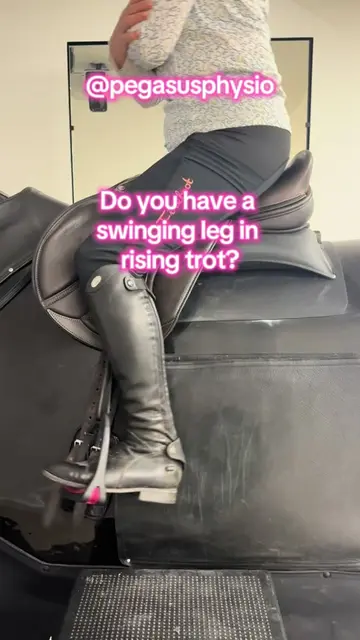
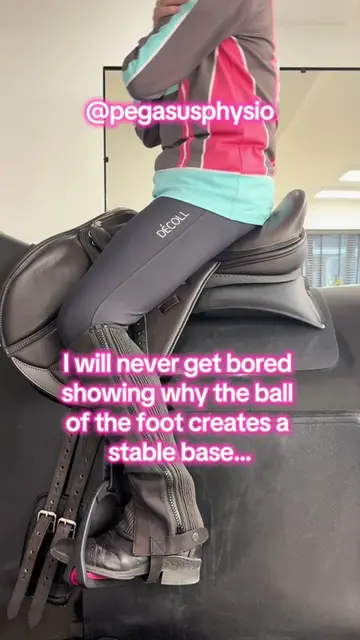
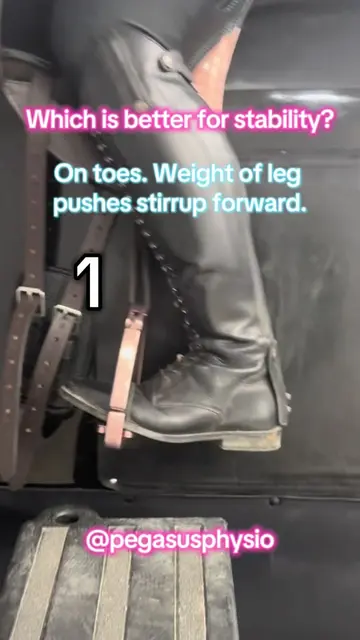
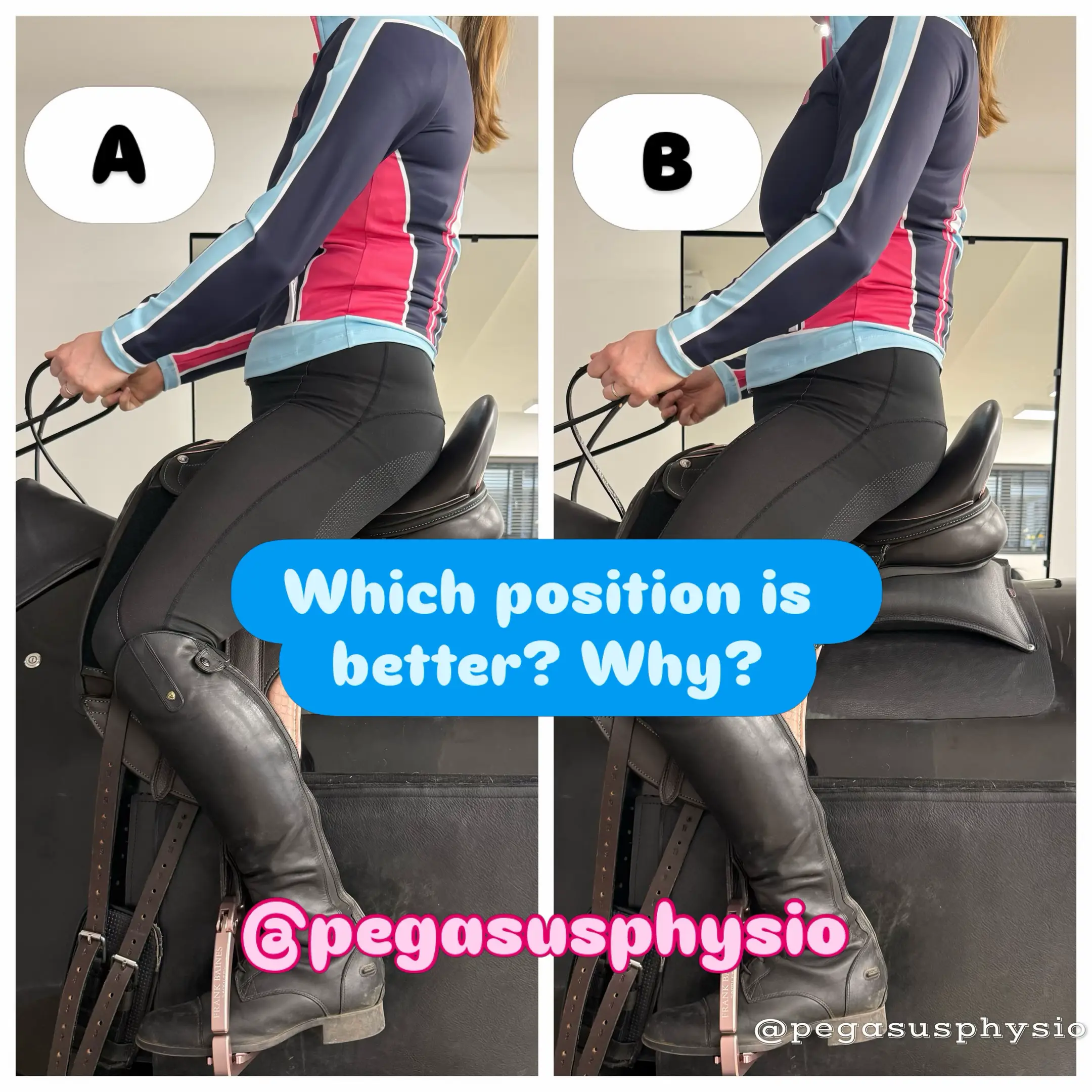
🥎One of the biggest challenges riders have in half seat isn’t strength. It’s being able to absorb the horse’s movement and not be bounced around like a ball. Watch the two riders carefully. One stays relatively rigid, so the vertical forces generated by the horse in trot travel through the whole body. Instead of the joints absorbing the movement, the entire rider moves up and down with the horse. The other allows the hips, knees and ankles to bend and straighten as the horse moves. Those joints act like shock absorbers, absorbing the vertical forces while the trunk stays more balanced over the feet. The upper body appears much quieter, not because it’s being held still, but because the body is managing the movement more efficiently. This is why I love using trot for these exercises. The vertical forces are much greater than in canter, making it much easier to feel whether you’re absorbing the movement or resisting it. Once a rider can do that consistently, we can progress to canter, where the same principles apply but the movement has a much greater forwards and backwards component. A relaxed leg doesn’t mean a floppy leg. It means the joints are free to move whilst the muscles provide just enough stability to control that movement. That’s what creates a secure, balanced half seat. Want to understand why your body moves the way it does in the saddle? Rider Physio sessions and the Riding Ready courses break down the anatomy, biomechanics and physics behind better riding. #riderbiomechanics #riderphysio #ridingexplained #ridingready #halfseat
More from @pegasusphysio
More breakout videos from this creator.