Loading video…
Sound

original sound - nicholas_crown
Nicholas Crown · Original audio
0:00–:––
Playing this video’s own audio, so you’ll hear the creator over the sound.
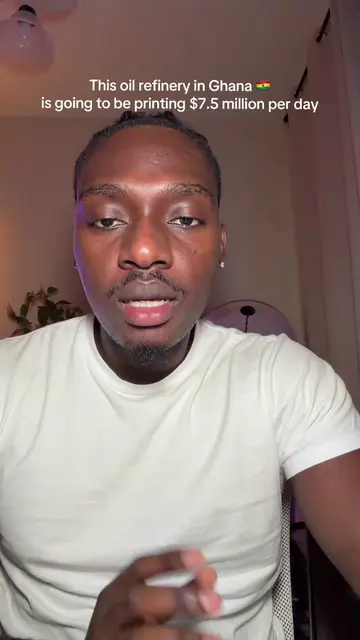
The video explains a complex financial concept (the crack spread) in an accessible way, using relatable examples and clear explanations. It connects this concept to current events (high gas prices, inflation) and offers a unique perspective on market analysis, making it timely and valuable for viewers interested in finance and economics.
The video explains the concept of the "crack spread" in oil refining, which represents the profit margin refiners make by converting crude oil into gasoline and diesel. It highlights that current market conditions, with tight fuel supply and reduced refinery output, have led to exceptionally high crack spreads, benefiting refiners significantly. The speaker suggests that the crack spread is a more accurate indicator of market conditions than crude oil prices alone and that this trend will continue to impact pump prices and inflation.
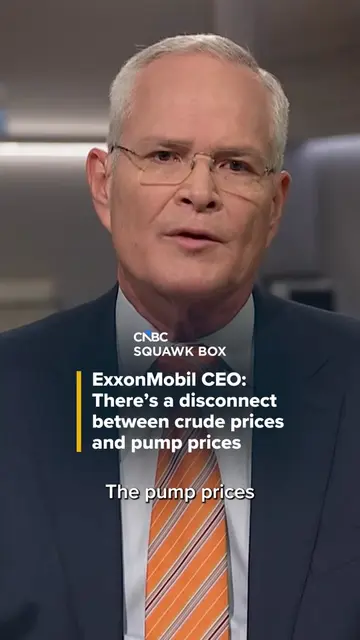
The crack spread is the refiner's margin: buy crude, sell gasoline and diesel. The 3-2-1 benchmark traded near $70 last month. Normal is $15 to $25, so refiners are earning triple. Crude is off its highs but product is tight, so pump prices stay high even as crude falls. That feeds inflation. When crude and gasoline disagree, watch the spread, not the barrel. Click the link in my profile to get our breakdown on refining margins and how to trade it.
The price of crude no longer matters
Introduction to the crack spread
Explanation of the 3-2-1 benchmark
Current high crack spread and its causes
Impact on refiners, pump prices, and inflation
Why the crack spread is a key market indicator
Call to action for market analysis
Click the link in my profile for our full market analysis
Playing this video’s own audio, so you’ll hear the creator over the sound.
Promotes 2 products. Create free account to see more.
Outliers and viral hits: their videos on Overshot, all time.
Financial markets newsletter for people following investing and the economy
All time.