Loading video…
All breakouts
10.6Text-HeavyListicle hookConsumer Apps
Hook
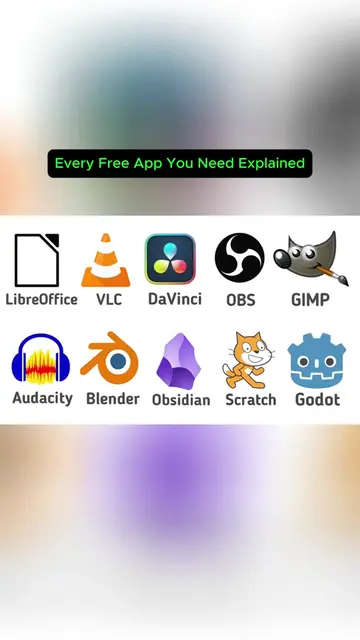
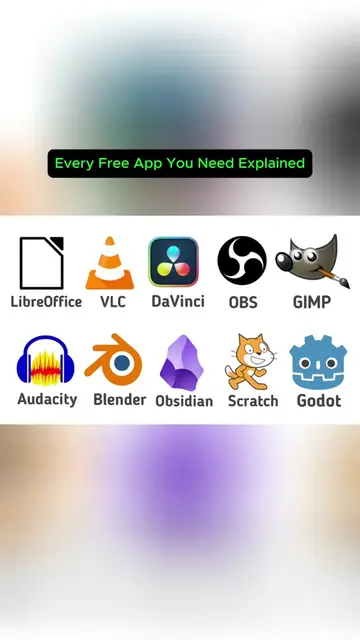
Every Free App You Need Explained
@whitepageofficial
72.9K followers · usually 10.3K views a post
Views
103.0K
Likes
4.9K
Comments
21
Shares
114
Why it worked
The video effectively highlights the value of a free, powerful tool that solves a common creator pain point (poor audio quality), making it highly relevant and shareable within the creator community.
Summary
This video highlights Audacity as a powerful, free multi-track audio editor and recorder that has been essential for content creators since 2000. It details its editing capabilities, export options, plugin support, and its historical significance despite a past controversy regarding telemetry.
Structure
- 1Introduction to Audacity's importance for audio quality
- 2Audacity's history and longevity
- 3Core features: editing, noise reduction, EQ, compression
- 4
Original caption
Every Free App You Actually Need Explained (Audacity)
More from @whitepageofficial
More breakout videos from this creator.