Loading video…
Sound

kahel na langit - preview
Maki
0:00–:––
Playing this video’s own audio, so you’ll hear the creator over the sound.
The video challenges a common industry gatekeeping practice by advocating for accessible tools, resonating with creators who may not have access to expensive professional software and offering a counter-narrative to perceived industry standards.
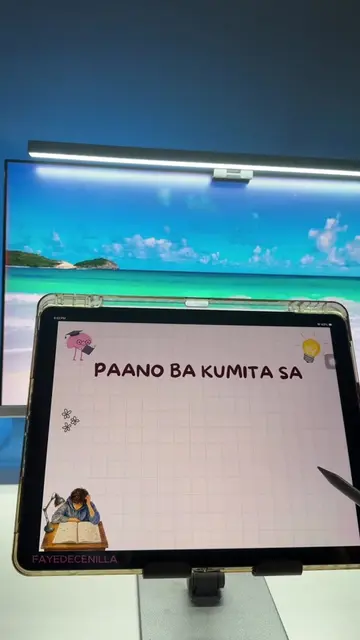
The creator argues that using Canva for journalism is acceptable, even for professional competitions like NSPC, emphasizing that the skill of the person matters more than the software used. They encourage others not to be swayed by the notion that only "professional" software like InDesign or Photoshop is valid for creating journalistic content.
Bonus nalang talaga sa akin lahat ng mga clients ko! Kaya sa mga gustong gumawa ng SP without InDesign and PS, okay lang yan. You can do more, do better! Huwag magpadala sa hype at standards na gusto nilang i-impose. That’s not how journalism works. #buhayguro #graphicdesign #schoolpaper #layoutandpagedesign #NSPC
Using Canva for journalism isn't a crime.
Introduction of Canva for journalism
Critique of professional software snobbery
Emphasis on creator's skill over tool
Encouragement to use accessible tools
Canva (ACTS - graphic design software used to create a school paper, removing it would change the video's outcome as it's the tool used for the creation) | InDesign (APPEARS - mentioned as an alternative software, removing it would not change the video's outcome) | Photoshop (APPEARS - mentioned as an alternative software, removing it would not change the video's outcome) | NSPC (APPEARS - a competition or organization, removing it would not change the video's outcome)
Playing this video’s own audio, so you’ll hear the creator over the sound.
Design app for people creating presentations, worksheets, and other visual content
All time.
Promotes 1 product. Create free account to see more.
Outliers and viral hits: their videos on Overshot, all time.