Loading video…
All breakouts
6.1Talking HeadOther hookFinance
Hook
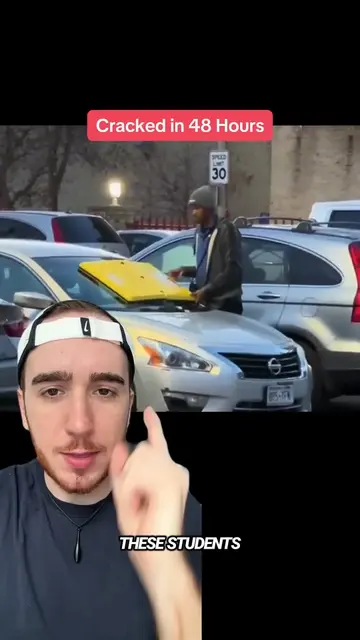
The Broken Window Fallacy
@moneymindnews_
44.0K followers · usually 88.0K views a post
Views
534.1K
Likes
27.7K
Comments
404
Shares
382
Why it worked
The video effectively uses a relatable and counter-intuitive economic concept, the broken window fallacy, to explain opportunity cost. The clear visuals and concise explanation make a complex idea easy to grasp, driving engagement.
Summary
The video explains the broken window fallacy, a thought experiment that suggests breaking windows stimulates the economy by creating jobs for repairmen and glass makers. However, it argues that this is a flawed perspective because the money spent on repairs could have been used for other desired goods or services, representing an opportunity cost.
Structure
- 1Introduction to the broken window fallacy
- 2Explanation of the fallacy's premise (broken window leads to economic activity)
- 3The counter-argument: opportunity cost of repairs
- 4The flaw in thinking that destruction benefits the economy
- 5Conclusion: the fallacy costs money by diverting resources
On-screen text
The Broken Window Fallacy
Broken window fallacy -
The illusion spending money on repairing damage leads to increased economic welfare
www.economicshelp.org
Sand Into Glass
Original caption
The Famous Broken Window Fallacy #money
More from @moneymindnews_
More breakout videos from this creator.