Loading video…
All breakouts Locked — upgrade to Pro to open.Open on TikTokPro
No preview available · watch on TikTok below
8.9Health
Post
Post by @mollypelletier.rd
@mollypelletier.rd
316.1K followers · usually 3.1K views a post
Views
47.2K
Likes
643
Comments
12
Shares
50
We’re still analyzing this post.
Original caption
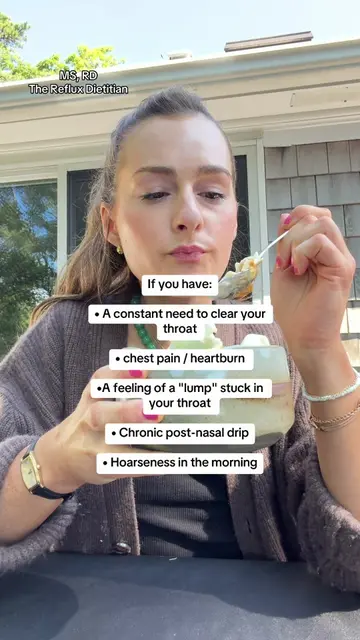
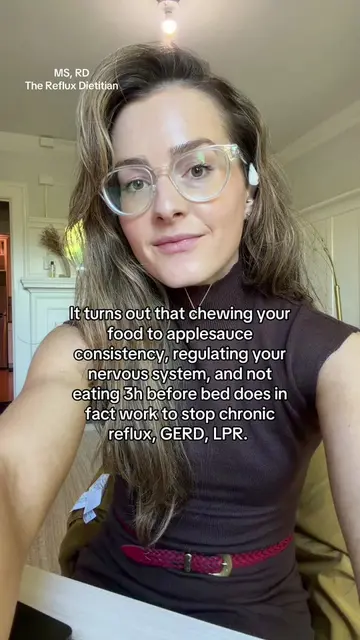
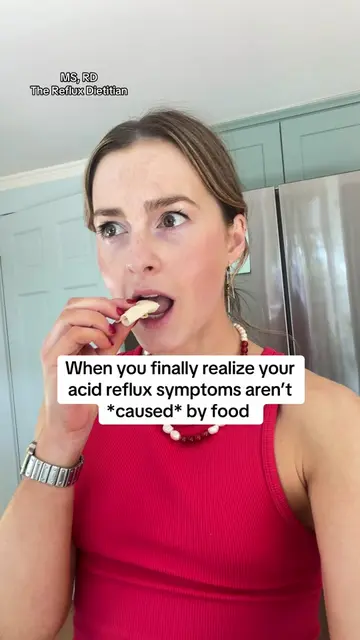
When you finally realize your chronic reflux isn't actually caused by food. If cutting foods only half-worked, or stopped working, this is why. Food can trigger a symptom, but the mechanics underneath are what keep the whole thing going. Four root contributors: The barrier. When the mucosa lining your esophagus and throat is under-supported, it stays reactive, so every reflux event lands harder than it should. The LES. The valve at the top of your stomach. When it loses tone and coordination, contents travel up on a plain, "safe" meal. Pepsin. The enzyme that rides up with refluxate settles into throat tissue and can be reactivated the moment things turn acidic again. Johnston et al. 2007 (Laryngoscope, PMID 17417109) showed it stays stable at throat pH and regains about 79% of its activity once re-acidified. The nervous system. When you're stuck in stress mode, digestion slows and LES coordination slips, and it loops: symptoms raise your stress, stress feeds the symptoms. Barillari et al. 2025 (case-control, 45 LPR patients vs 29 controls, PMID 40258993) found perceived stress was about 55% higher in the reflux group. And the daily habits feed all four. A large meal in one sitting raises the pressure pushing up on your LES. Eating close to bed leaves food in your stomach when you lie down. Fujiwara et al. 2005 (Am J Gastroenterol, 147 GERD patients vs 294 controls, PMID 16393212) found people who ate within 3 hours of bed had about seven times the odds of GERD compared with 4 or more hours. The pattern around the food matters more than the food itself. Support the barrier, the LES, and your nervous system, and you change the conditions your tissue is trying to heal in. Follow for more and share this with someone who's still cutting foods. Small hinges swing big doors. #AcidReflux #GERD #LPR #SilentReflux #RefluxRelief
More from @mollypelletier.rd
More breakout videos from this creator.