Loading video…
All videos
Views
27.9K
Likes
92
Comments
1
Shares
7
Engagement
0.4%
of views
27.7xthis account’s usual viewsOutlier
This video27.9KUsual views1.1K
The product
The creator
Why it worked
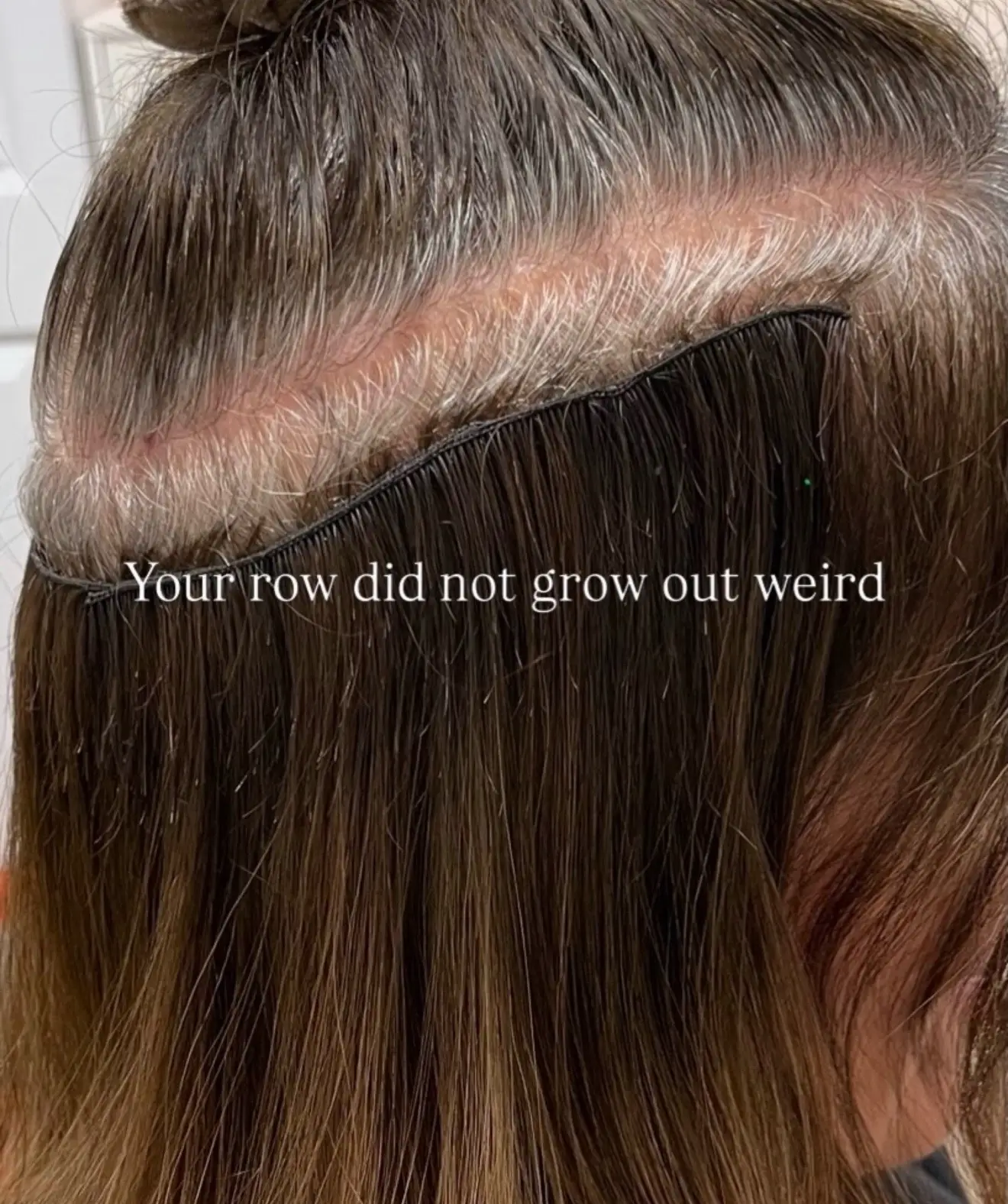
The post uses a highly specific, technical visual aid that addresses a common pain point for professionals in the hair extension industry, establishing authority and demonstrating the 'why' behind the creator's patented method.
What happens
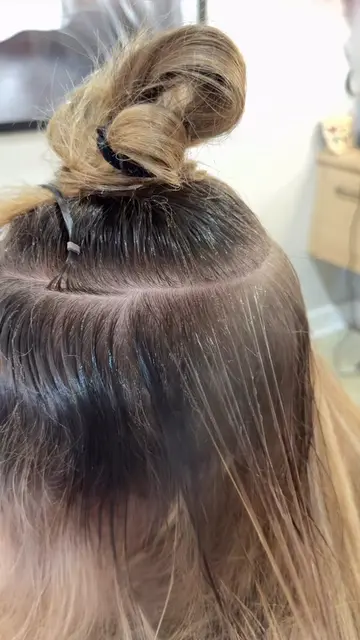
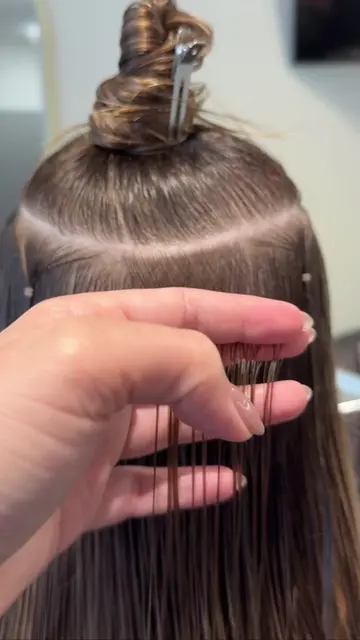
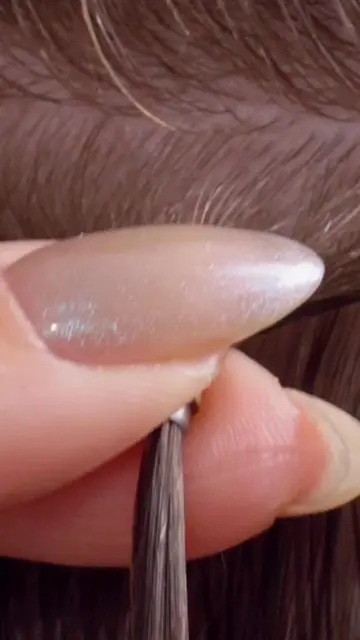
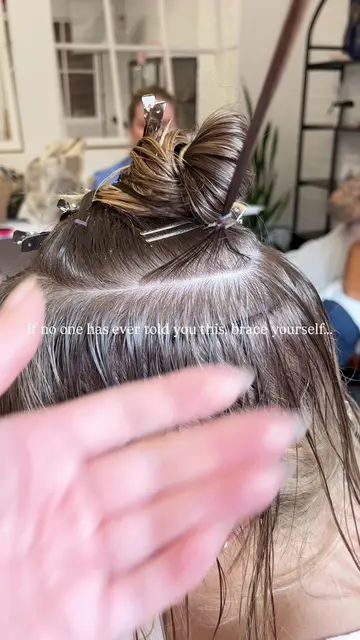
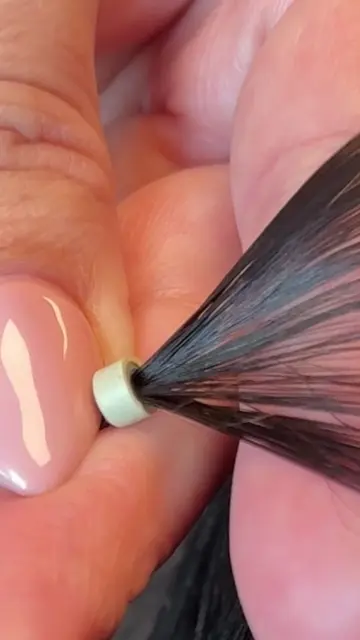
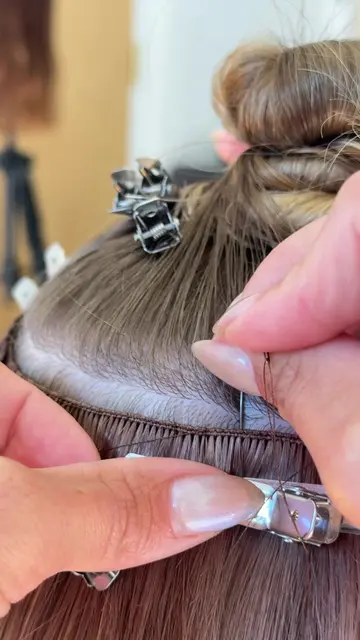
The creator uses a visual diagram of hair extensions on a scalp to explain why rows grow out in specific ways based on the curvature of the skull. This educational content serves to demonstrate the expertise behind their patented hair extension method.
The breakdown
Original caption
I’ve been watching this happen for years, and I have a hypothesis about why. A row doesn’t live on a flat surface. It lives on a three-dimensional, curved surface. And the row itself has a finite length. I’m looking at the path I’m creating relative to the shape of the skull. Look at the red line. It moves convex concave convex relative to the parietal ridge. When one continuous row is asked to follow those changing shapes but the surface beneath it does correspond- the amount of row needed to occupy that path changes as the row moves and flips. But the row itself doesn’t suddenly become longer or shorter. The difference has to be accommodated somewhere. &&& I see it happen allll of the time in grow-outs. One area gets tight. The adjacent area has more movement. Then another area gets tight again. Sometimes the corners and back slack while the side stays tight. Sometimes the corners and back stay tight while the side has more movement. I don’t think “concave is bad and convex is good.” I think the bigger issue is inconsistent curvature relative to the surface the row lives on. The blue line is the path I would choose because it follows the underlying structure more consistently instead of repeatedly changing its relationship to it. But this is exactly why I’m so obsessive about sectioning. The grow-out didn’t randomly become this shape you decided what the grow-out would look like when you installed the extensions.