Loading video…
All breakouts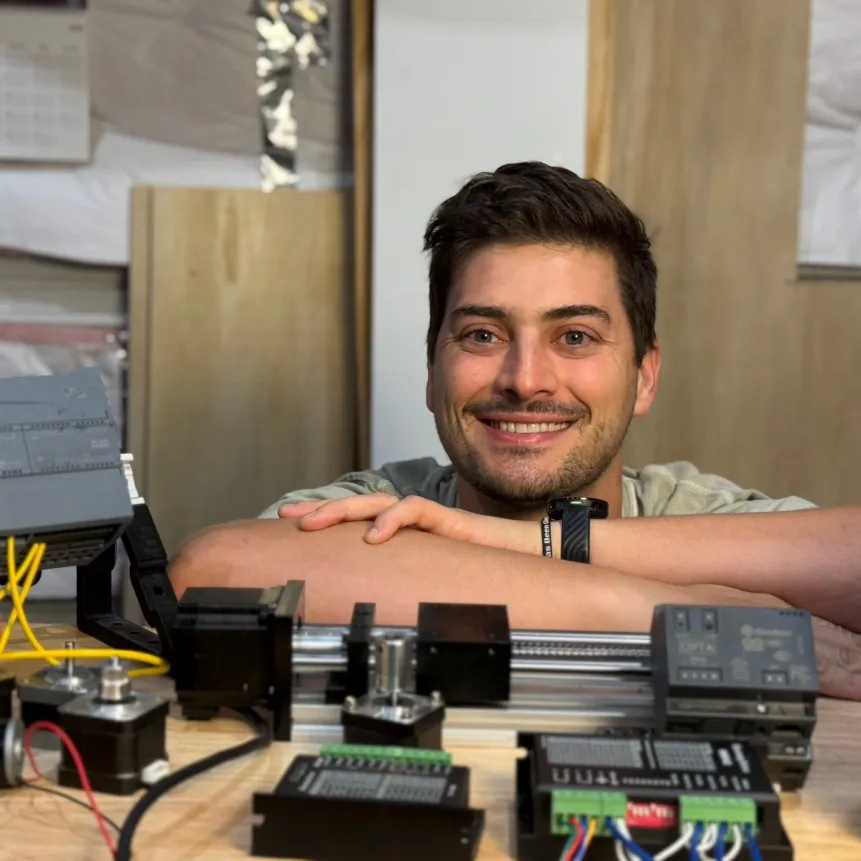
28.5Talking HeadOther hookEducation
Hook
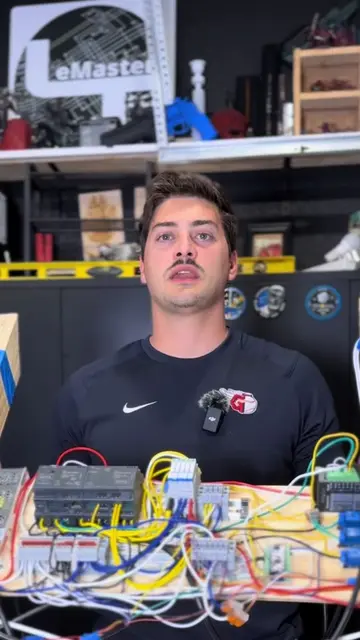
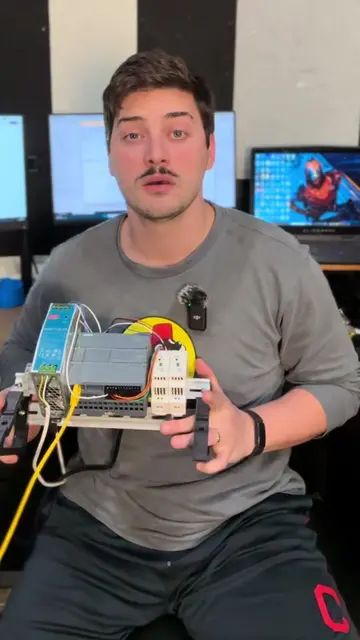
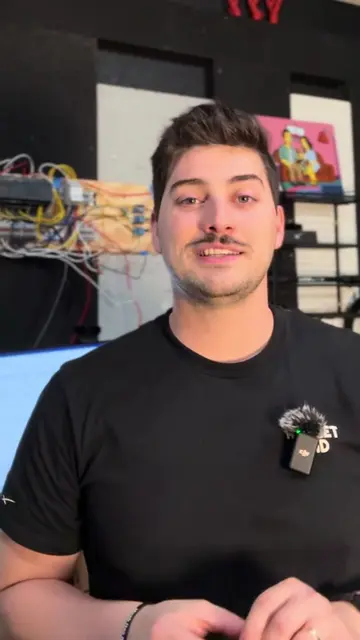
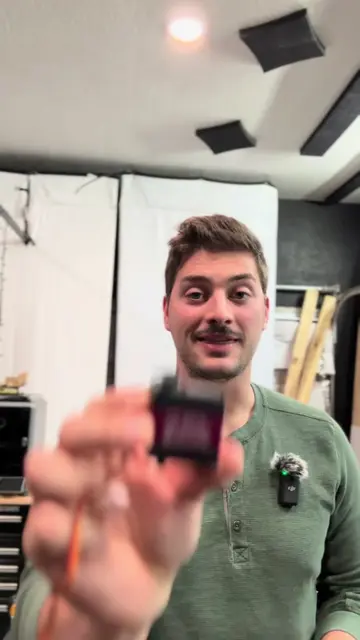
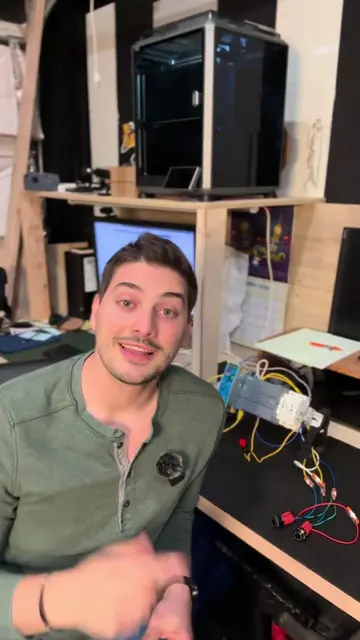
I'm an automation and controls engineer, which means I spend a lot of time writing code that automates factory processes.
@lemastertech
46.7K followers · usually 10.4K views a post
Views
273.0K
Likes
15.7K
Comments
241
Shares
904
Why it worked
The video provides high-value, educational content that establishes the creator's authority in a niche technical field, which naturally encourages engagement and follows from viewers interested in the subject matter.
Summary
An automation and controls engineer explains the five standard programming languages used for programmable logic controllers (PLCs). He provides a brief overview of each language, including their history, use cases, and current relevance in the industry.
Structure
- 1Introduction to the role of an automation engineer
- 2Explanation of the IEC 61131-3 standard
- 3Breakdown of Ladder Diagram and Structured Text
- 4Overview of Function Block Diagram and Sequential Function Chart
- 5Discussion of Instruction List and the rise of C++ in PLCs
Call to action
Be sure to follow the Master Tech if you want to learn more about automation and controls.
On-screen text
1.
2.
3.
4.
5.
IEC 61131-3
Programming Languages
Ladder Diagram (LD)
Structured Text (ST)
Function Block Diagram (FBD)
Sequential Function Chart (SFC)
Instruction List (IL)
C++ (not officially)
Original caption
Introduction to the PLC Programming Languages for Automation and Controls Engineering! #automation #engineering #plc #Science #programming
More from @lemastertech
More breakout videos from this creator.