Hook
More breakout videos from this creator.
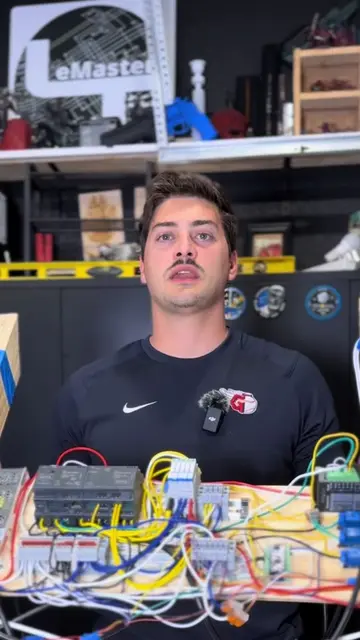
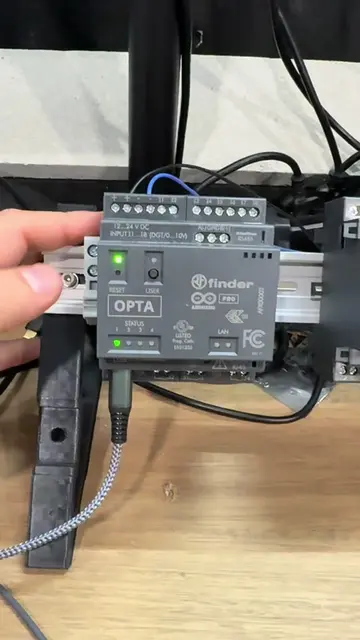
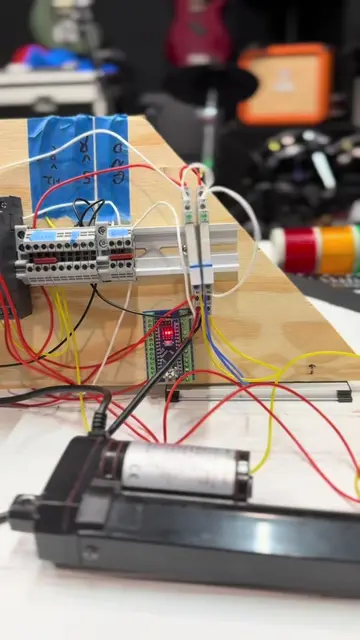
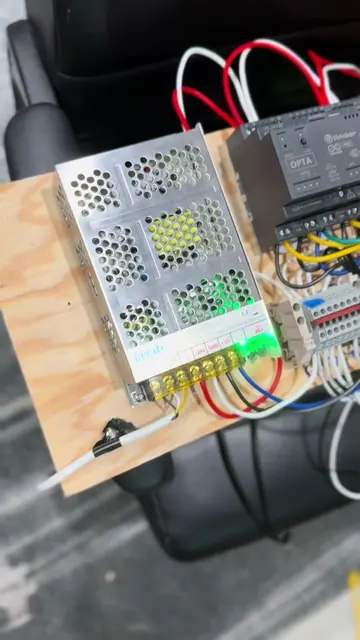
Most automation and controls engineers spend a lot of their time doing PLC programming. Most PLC programming is not all that hard. Here's the thing, that's intentional. PLCs or programmable logic controllers are kind of the main brain that are used to drive factories and automation and manufacturing. But the success of an automation and controls engineer is not really hinging on the back of writing novel or interesting code that solves a problem in a new way. Automation and controls engineers have to spec out instrumentation, design wiring that brings them back into control cabinets, and wire them into a programmable logic controller that then needs to monitor your inputs and control your outputs and the software is really just a helper function to building an automated real-world system. Unless you're working in ultra high speed manufacturing or some sort of precision robotics system, you're not really being judged on your ability to write novel code. In fact, some of my recent popular videos on the channel have sparked lively debates in the comments about whether ladder diagram, which is one of the most common programming languages for controls and automation, is even really a programming language at all. It uses a very visual based platform like this, which basically says if pressure switch, then open valve. Or similarly, if you're not seeing a desired feedback, then run some motor. But something you have to keep in mind is automation and controls engineers are already hard to find. It's already a niche skill set and it's not really taught in college. And most manufacturing facilities want to run multi-shift often with nights or weekends. Ladder diagram far and away is the easiest to understand and monitor and debug and troubleshoot if you're in maintenance or you're a specialist or you're a process engineer who just needs to know enough controls to keep a factory running. Before you say just write more robust code, this interfaces with the real world. Stuff fails, sensors fail, feedback fails. Often the PLC or a really detailed HMI are the best tool to quickly figure out what failed when and why. Automation and controls engineers don't typically want to be on 24/7 standby call in case a sensor fails and so it's not a bad idea to think about who's helping you keep the factory running when you're writing code. Ladder diagram is entrenched in manufacturing processes all around the world. Knowing it is super important and the goal is not write complicated code, the goal is write the simplest possible code to safely and effectively do the thing you're trying to do. So is programming in ladder considered real programming? The short answer is I don't care. It's really important to know and you're not going to get super far in controls and automation without a basic understanding of it.