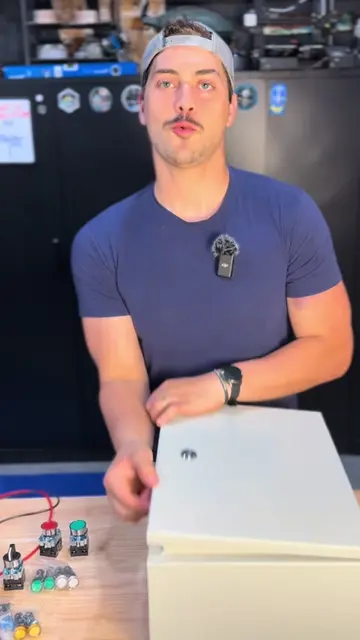
Loading video…
All breakouts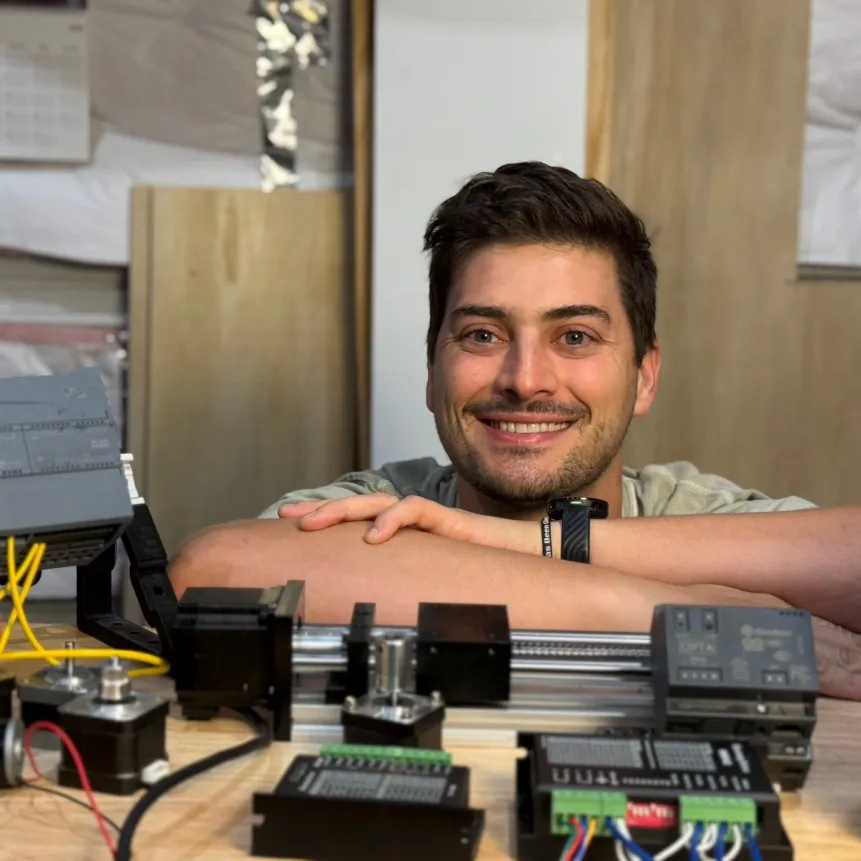
3.6Talking HeadOther hookEducation
Hook
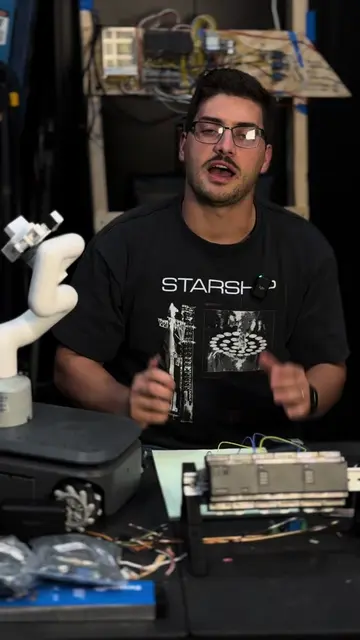
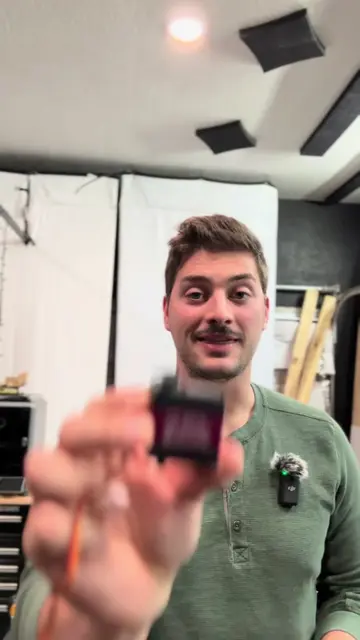
This is a stepper motor.
@lemastertech
46.7K followers · usually 10.4K views a post
Views
35.9K
Likes
1.4K
Comments
16
Shares
72
Promoted product
Stepper Motor Driver
Why it worked
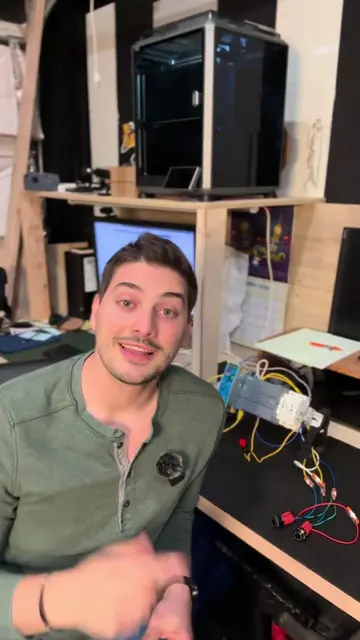
The video provides a clear, step-by-step explanation of how to control stepper motors, a common component in robotics and 3D printing. The visual demonstration combined with concise explanations of the driver's functions makes complex electronics accessible to a wider audience.
Summary
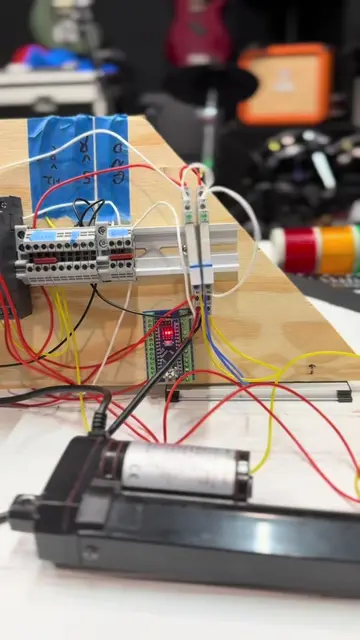
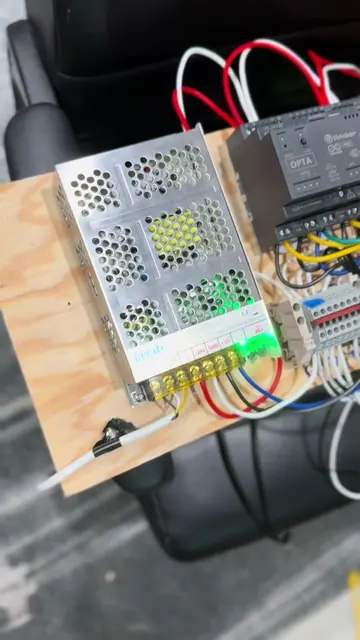
The video demonstrates how to control stepper motors using a stepper motor driver and an Arduino Uno. It explains the basic connections for power, motor coils, and control signals like enable, direction, and pulse, showing how to make the motor rotate in different directions or hold its position.
Structure
- 1Introduction to stepper motors
- 2Showing stepper motor driver and Arduino Uno
- 3Explaining power and coil connections
- 4Explaining control signal connections (enable, direction, pulse)
- 5
Original caption
How to Control Stepper Motors! #Science #engineering #electronics #robotics #arduino
More from @lemastertech
More breakout videos from this creator.