Loading video…
All breakouts
5.9OtherOther hookEducation
Hook
Let's check out
@lemastertech
46.7K followers · usually 10.4K views a post
Views
59.0K
Likes
2.6K
Comments
40
Shares
104
Why it worked
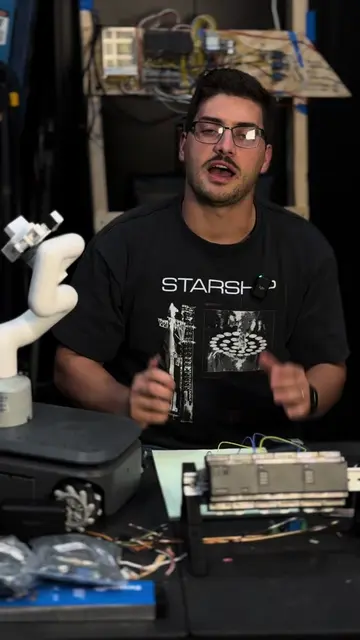
The video provides a clear, step-by-step explanation and visual demonstration of a practical electronics project, appealing to hobbyists and makers interested in robotics and automation. The use of diagrams and on-screen text aids comprehension, and the creator's enthusiasm for the topic encourages engagement.
Summary
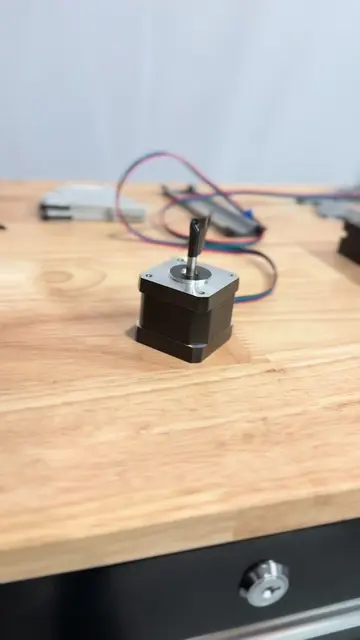
This video demonstrates how to control a linear actuator using two relays. It explains the wiring logic for on/off and direction control, showing how to connect the relays to switch between 0VDC and 12VDC based on input signals. The creator highlights the importance of the enable switch and the direction command for proper operation.
Structure
- 1Introduction to controlling a linear actuator with relays
- 2Explanation of relay function and wiring
- 3Wiring the linear actuator to common terminals
- 4Setting up 0VDC and 12VDC signals for direction control
- 5Wiring the enable and direction command signals
- 6Demonstration of the working circuit and relay logic
Product placement
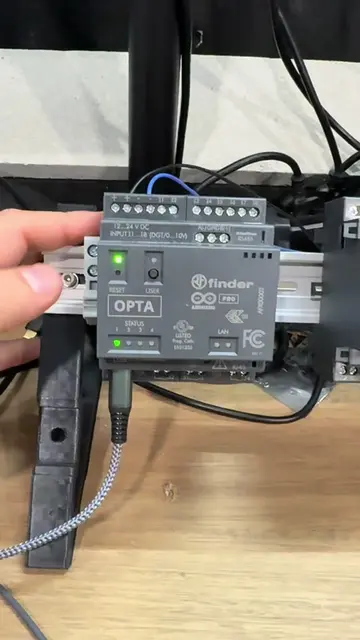
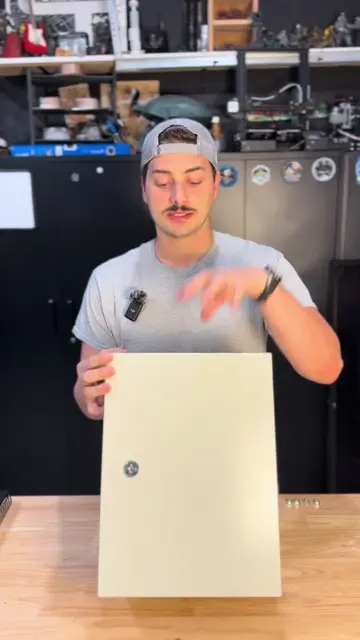
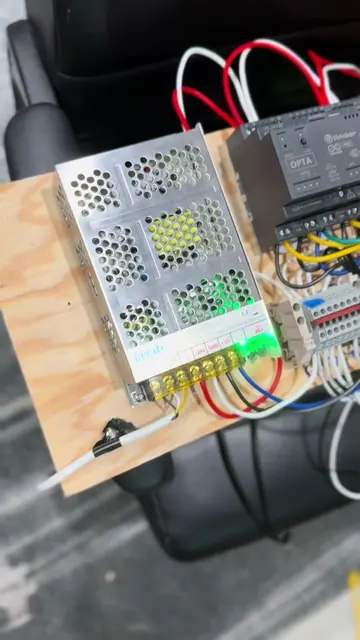
The video shows and explains the use of two relays (specifically, a Finder 41F-12C2-1 relay is held up to the camera) to control a linear actuator. It also shows a microcontroller board (likely an Arduino Nano) and a control panel with switches and potentiometers.
Call to action
Make sure to follow along
Original caption
How to Control a Linear Actuator with Relays! #Science #engineering #electronics #robotics #programming
More from @lemastertech
More breakout videos from this creator.