Hook
Open-source electronic prototyping platform enabling users to create interactive electronic objects.
More breakout videos from this creator.
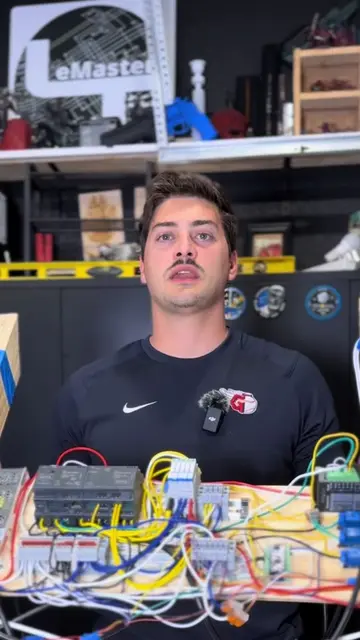
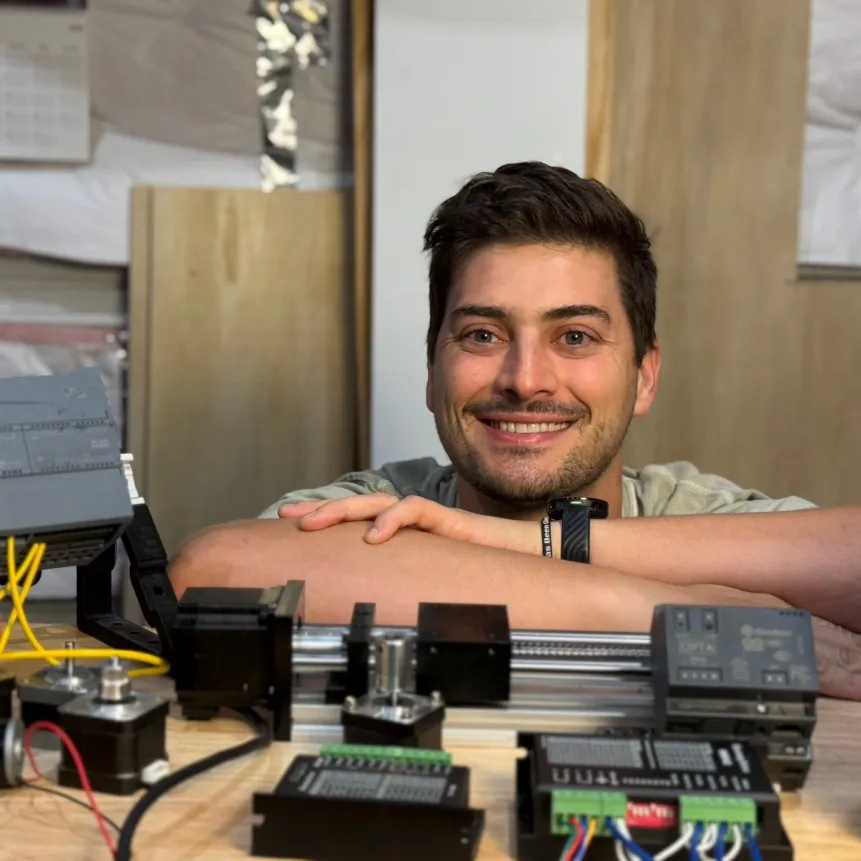
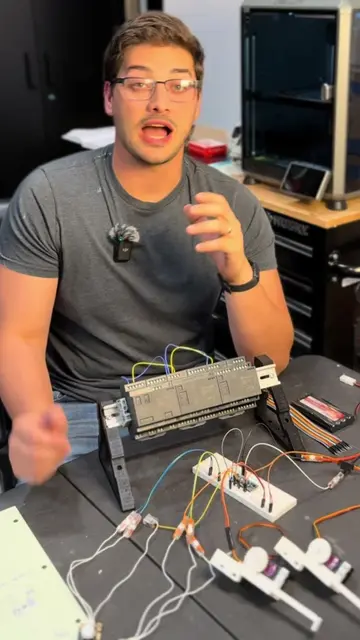
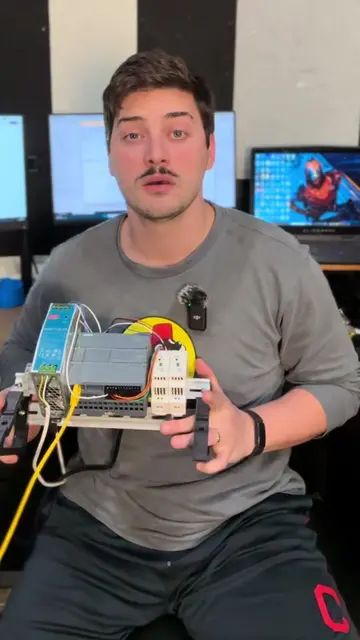
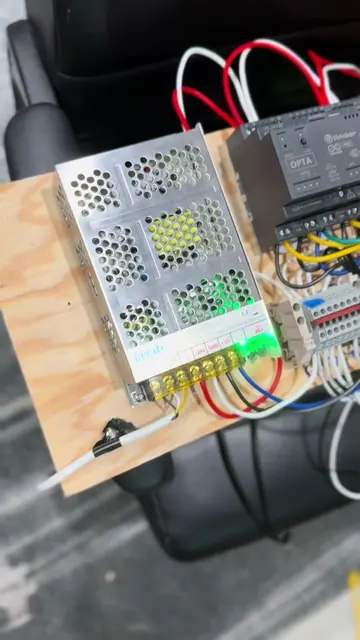
This is a PLC or programmable logic controller. This one in particular is the Opta PLC from the company Arduino. PLCs are basically more robust microcontrollers, which is what Arduino is already super well known for. You can see right here, the Arduino comes with eight input channels and four relay output channels right on the CPU module. But there's a lot of projects you might have that need way more than eight inputs or four outputs, and for that, you need IO expansion modules. And this is a standard thing in all of industrial automation and controls. A lot of larger PLC manufacturers like Allen-Bradley or Siemens don't even always put IO on the CPU module. They just say, hey, that's the brain that you're working with, and you need IO expansion modules for all the inputs and outputs that you're controlling. Arduino Opta is a pretty new line, so they only really have three types of expansion modules right now. A 10 input, 8 output electromagnetic relay card, a 10 input, 8 output solid state relay card. And their third type of card is a little bit of a grab bag because it has pulse width modulation outputs, analog inputs, analog outputs, digital inputs, and a couple more relay outputs. So it's a very versatile card. And what's cool is each of these cards is only like 100, 150 bucks, bringing it down from the average cost of industrial hardware. The expansion modules communicate back to the main PLC using this 10 prong little connector that plugs in the side of the module, and it talks over I squared C communications, and they can be chained together, so you can do a lot of cards in one. I think in total it supports up to 16 expansion modules for one PLC, so you can really get to a lot of IO in one project. Once you get them hooked up and powered on, the Arduino IDE is smart enough to know what's plugged into it because of that I squared C technology, so it can apply the configuration for you, and then it'll add the cards right away and you can just get programming with all your new inputs, outputs, and variables. As an automation and controls engineer, I just like seeing that this industrial hardware is getting to a price point where folks interested in it for hobby electronics and builds like that can finally start learning more about this industry.