Loading video…
All breakouts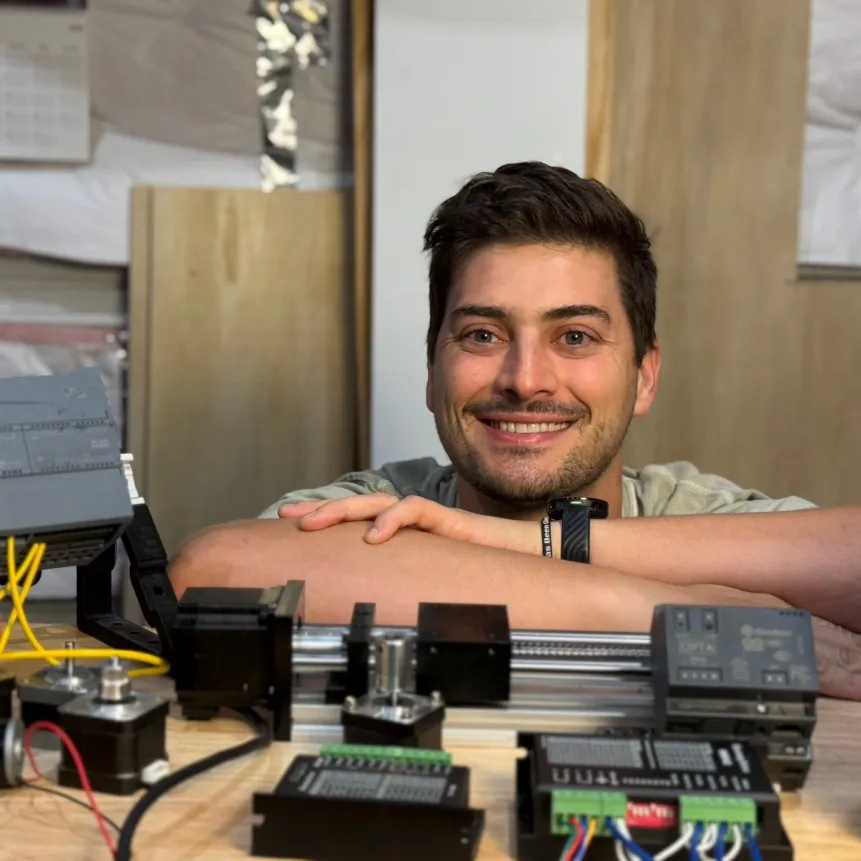
3.6Talking HeadOther hookEducation
Hook
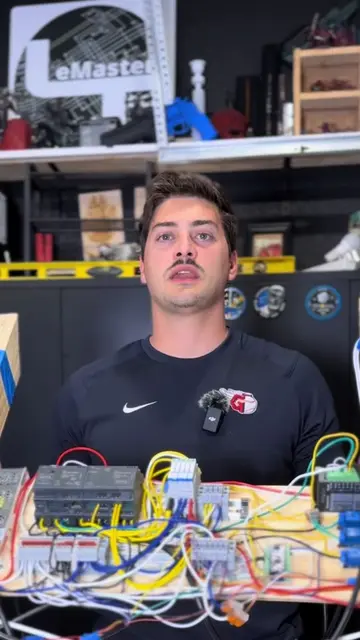
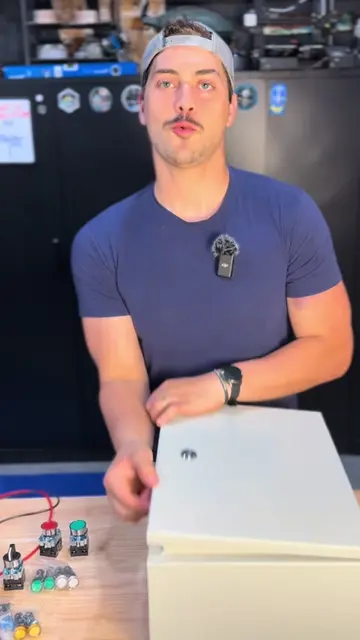
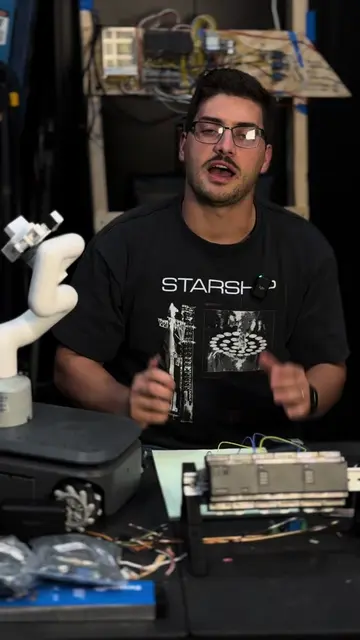
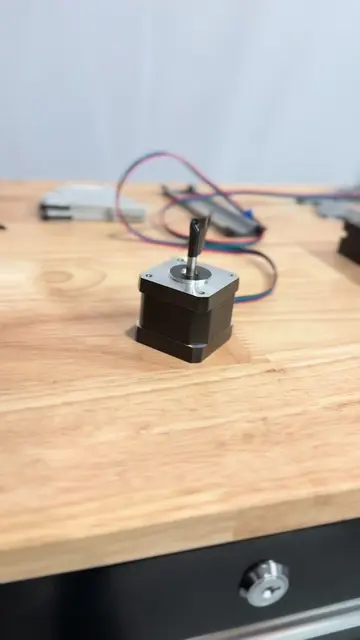
This is a servo motor
@lemastertech
46.7K followers · usually 10.4K views a post
Views
34.9K
Likes
1.7K
Comments
19
Shares
66
Promoted product
PCA9685
Why it worked
The video provides a practical solution to a common problem in robotics and electronics projects: controlling multiple servos efficiently. By showcasing a readily available and easy-to-use component like the PCA9685, it offers a clear value proposition for makers and hobbyists.
Summary
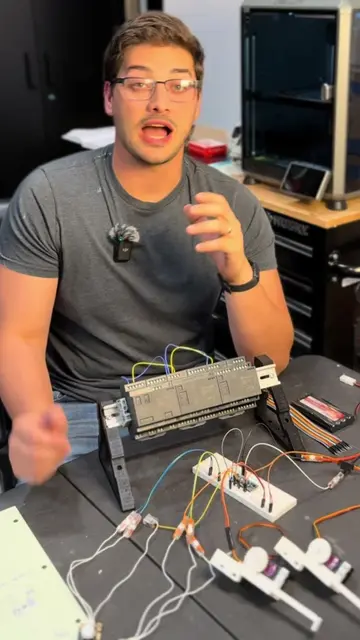
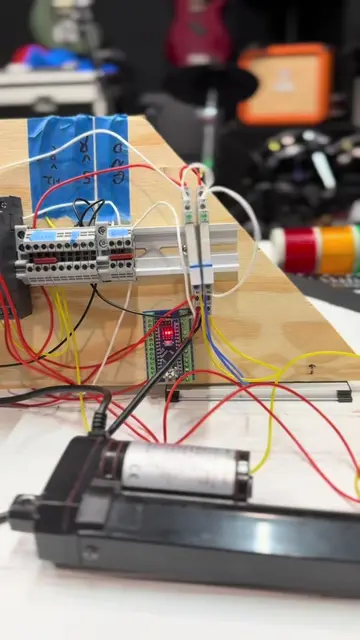
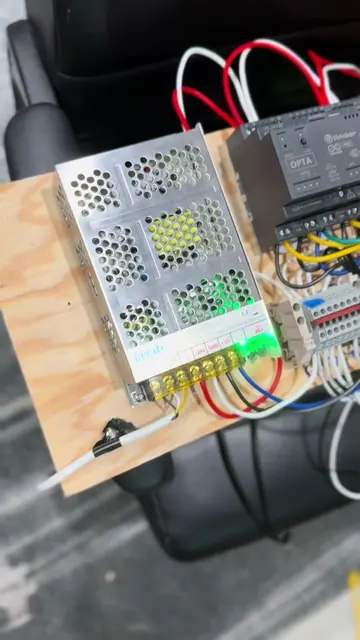
The video introduces servo motors as common components in electronics and robotics. It then demonstrates how to use a PCA9685 servo driver board to control up to 16 servos simultaneously from a single microcontroller, simplifying complex projects.
Structure
- 1Introduction to servo motors
- 2Demonstration of single servo control
- 3Introduction of PCA9685 servo driver board
- 4Explanation of PCA9685 functionality
- 5Showcase of multiple servos controlled by the board
Original caption
How to Control Multiple Servos From One Project! #robotics #electronics #arduino #Science #engineering
More from @lemastertech
More breakout videos from this creator.