Loading video…
All breakouts

14.3Talking HeadDirect Question hook
Hook
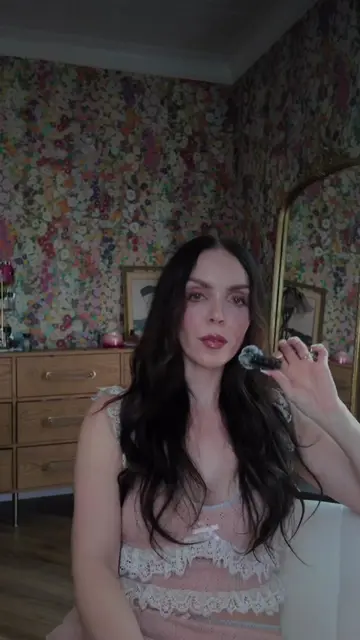
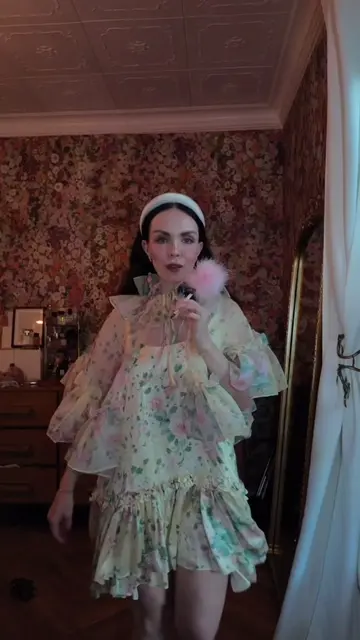
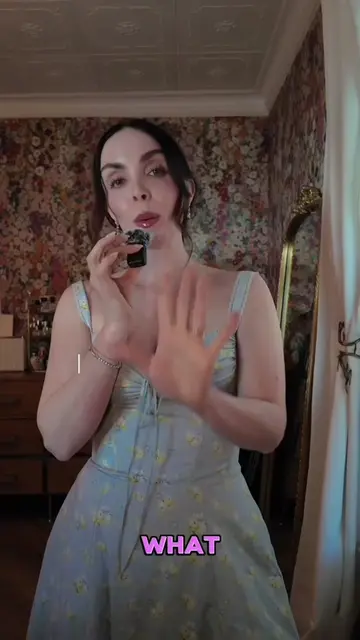
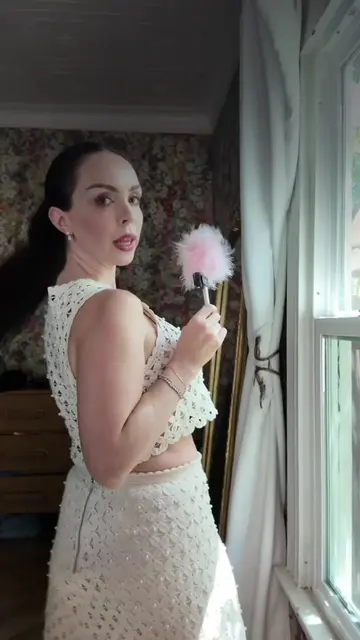
What do Gabrielle Solis, Panera, and Olive Garden all have in common?
@rachelissan
99.4K followers · usually 1.5K views a post
Views
20.9K
Likes
1.4K
Comments
18
Shares
58
Why it worked
The video succeeds by providing a deep, thoughtful cultural analysis of a niche aesthetic trend, moving beyond surface-level commentary to explain the underlying emotional and economic drivers behind the 'Tuscan Mom' phenomenon.
Summary
The video analyzes the cultural phenomenon of the 'Tuscan Mom' trend, exploring why Gen Z women are drawn to this early 2000s aesthetic. It argues that the trend represents a mourning for a perceived attainable lifestyle that existed before the current era of social media-driven optimization.
Structure
- 1Introduction to the Tuscan Mom trend
- 2Defining the aesthetic and its cultural roots
- 3Explaining the yearning for a 'reachable' past
- 4Contrasting Tuscan Mom with other aesthetic trends
- 5Analyzing the market implications for brands
On-screen text
Tuscan Mom
girl yearning for the life that was promised
Olive Garden House
this is your sign to romanticize your life & live your Tuscan mom fantasy 🌻🍷
2000s Tuscan mom style
the inspo is 2000s tuscan mom 🍷✨
in another life i'm a mom in 2005 who wears Juicy Couture to carpool, has a Motorola Razr with a pink rhinestone case, and watches Desperate Housewives like it's a documentary in her Tuscan mansion
Seriously, the life I was ACTUALLY promised but that rug got pulled from right under me. 🍷💅🏼😭
2000s Tuscan mom aesthetic ✨✨°+ - 9
COASTAL GRANDMA STYLE
CAPSULE WARDROBE ESSENTIALS
CASUALLY COASTAL
Idk y but somehow Tuscan is so comforting
This is the vibe my mom gave off for most of my life
pov you're a rich mom in 2002
Back when "the life" was obtainable
the life I was promised
2000s tuscan mom vibes ✨
To be an early 2000s Tuscan mom
I thought this was peak wealth as a kid 🤡
In hindsight it's giving Macaroni Grill.
yearning for early 2000s tuscan mom core
I yearn to be a Tuscan mom with a house that looks like Olive Garden 🫒
How it felt growing up with my mom in the early 2000s
POV your sister says we're dressing like 2000s "Tuscan moms" tonight
Outfits I wear as a Tuscan mom who grew up in the early 2000s ✨
im in a very tuscan mom time of my life right now
I was cheated 😩
I mourn this era so some much.
This is how my adulthood was supposed to be
i feel so 2000s mum wearing this dress while cooking 🥘
Instead now we get cold minimalist 😩
pov: you're Tuscan mom in 2000s getting ready for shopping while your kids at school!
Original caption
why does everyone want to be a Tuscan mom all of a sudden, why it’s different than every other hyper specific trend on the aesthetic hamster wheel and what Tuscan mom reveals about girls’ desires in culture rn #tuscanmom #aesthetic #careertok #insights #culturetiktok culture analysis, cultural insights, girlhood, Theresa giudice, Teresa giudice, Tuscan mom, rich mom, early 2000s aesthetic, how to find your style, second order thinking, marketing, marketing strategy, community, brand strategy, advice for women, Cheesecake Factory, Panera, Olive Garden
More from @rachelissan
Their other posts in the index, biggest breakout first.