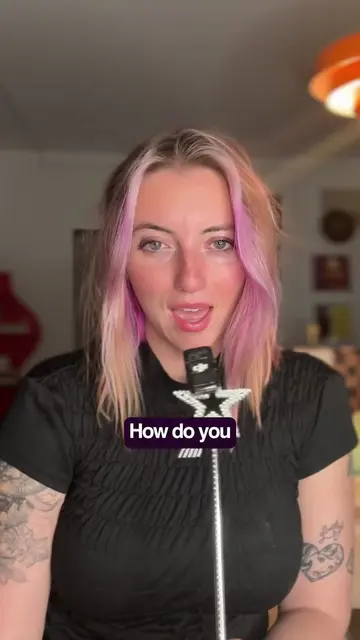
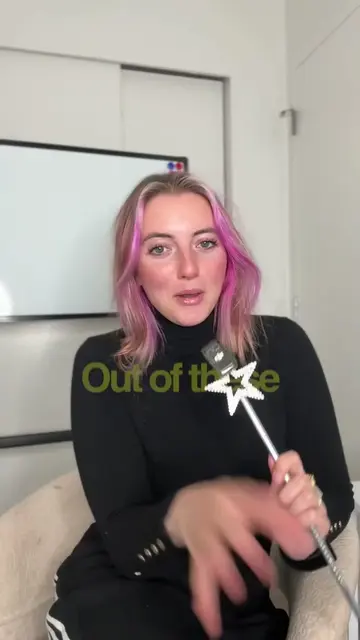
Loading video…
All breakouts
29.0Talking HeadDirect Question hookSaaS
Hook
How long
@synsation_
297.2K followers · usually 29.0K views a post
Views
818.9K
Likes
116.7K
Comments
366
Shares
2.0K
Why it worked
The video breaks down a common user experience element (loading spinners) into digestible, actionable advice with clear timeframes and visual examples. This makes the information relatable and easy to apply for anyone building digital products.
Summary
This video explains the psychology behind loading spinners and how their effectiveness changes based on duration and the type of information displayed. It suggests that while spinners can be useful for longer loading times, they can become frustrating if overused or displayed for too long without clear progress.
Structure
- 1Introduction to loading spinner patience
- 2No spinner vs. plain spinner duration
- 3Spinner with static text
- 4Spinner with changing text
- 5Spinner duration limits and alternatives
- 6Handling errors
On-screen text
How long
actually willing to stare
Loading spinner
before you get annoyed?
Let's break down
You're 41% there.
Please keep your computer on.
Psychology
of spinners
Part 4
Building for
GOOD UX
Part 4
nothing...
no spinner
users will leave in
2-3 seconds
But here's the thing
show a spinner
if something will take
Loading time < 1 sec
to load.
One second is
not enough time
the full animation.
Submit
flashes on the screen
and the user's
something weird just happened
it feel slower.
So if it's under
Loading time < 1 sec
just show the results
Okay, so what if
takes longer
than a second?
with no text,
works for about
2-5 seconds
five seconds,
with no text starts
to feel broken.
The user has no idea
and the patience starts
to drop very quickly.
So you have some static
Loading...
Saving...
you maybe
1 more second
Now instead of
static text,
that changes.
connecting to your account...
working on it...
almost there...
This is where
people are willing
significantly longer.
Because they feel
that there's
action happening,
Type
How long it works
No spinner
< 1 second
plain spinner
2 - 5 seconds
Spinner with static text
5 - 6 seconds
Spinner with changing text
up to 10 seconds
but all of this works
up to about 10s.
After 10s
looped animations.
Just stop working.
They actually start
hurting
patience flips,
and all of a sudden
more frustrated
with the spinner
instead of less.
Past 10s
different approach
Progress bar
Step by Step indicator:
Step One
This is the first step.
Step Two
This is the second step.
Step Three
This is the third step.
Step Four
This is the fourth step.
Step Five
This is the fifth step.
Something else
And if something fails,
just show
the error immediately,
Try not to make them
wait 20s
with a loading spinner
and then be like,
sorry that didn't work :(
about errors
in the next video,
to talk about those.
So see you there.
Follow
Original caption
Build for Good UX Part 4 🎉
More from @synsation_
More breakout videos from this creator.