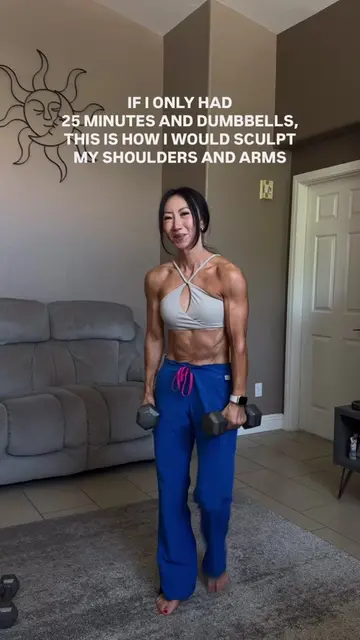
The video leverages a relatable personal transformation narrative, highlighting common fitness struggles and offering a tangible solution (free workouts) through a clear call to action, which is highly effective for audience engagement and lead generation.
Summary
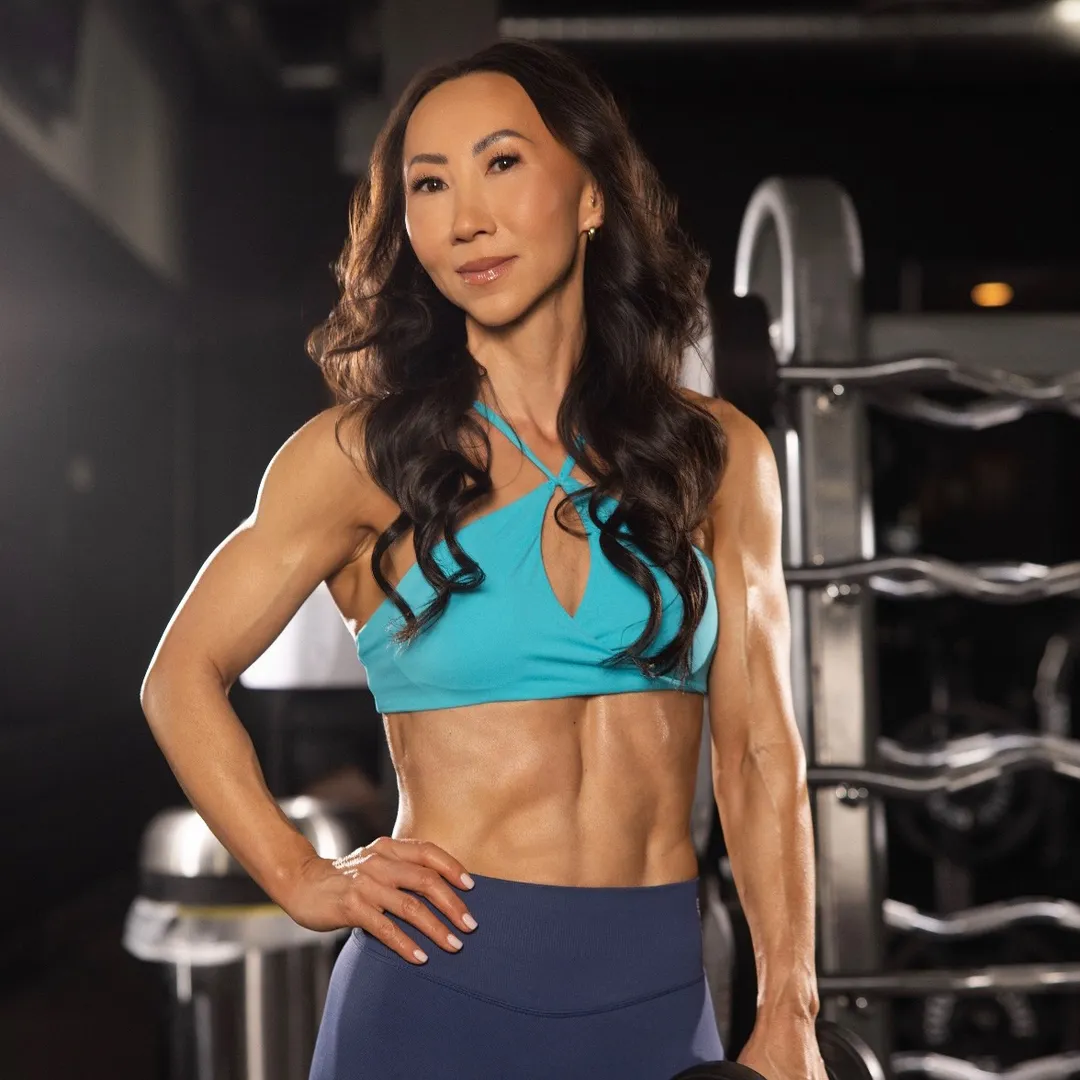
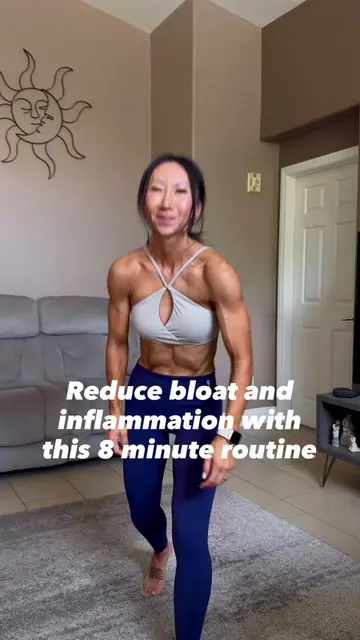
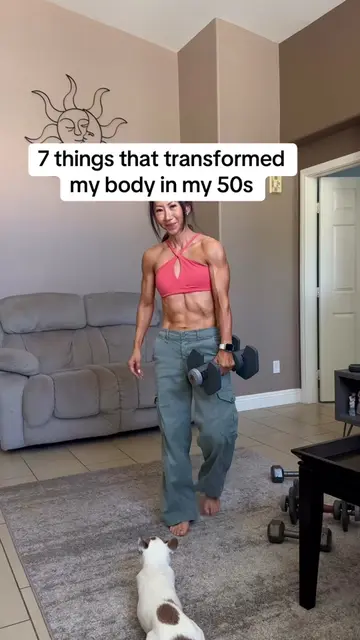
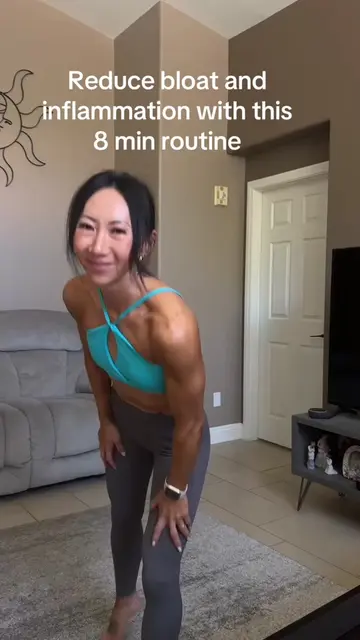
The creator, who is almost 54, shares the five biggest mistakes that hindered her muscle-building journey for years. She then offers a free week of her 30-minute full-body dumbbell workouts, including a macro calculator, with a call to action to find the link in her bio.
Structure
1Introduction: Creator's age and promise of mistakes
2Mistake 1: Not eating enough
3Mistake 2: Chasing smallest self
4Mistake 3: Prioritizing cardio over lifting
Original caption
✨ Try a free week of 3 full body 30 min workouts using dumbbells only. Perfect for travel or if you’re short on time 🙌🏼 Macro calculator is also included! Link in bio! Here they are: 1. Not eating enough. 2. Constantly trying to chase my smallest self. 3. Prioritizing cardio over lifting weights . 4. Not lifting close enough to failure. 5. Program hopping/doing random workouts. Once I changed my approach, everything changed! If you’re saying “I’m working so hard but my body isn’t changing”, it could be one of those things! Be willing to do things differently if you’ve been spinning your wheels. It’s never too late! . . #fitover50 #strongnotskinny
More from @wondwellness
More breakout videos from this creator.
5
Mistake 4: Not lifting close to failure
6Mistake 5: Program hopping
7Call to action: Offer of free workout program via link in bio
Call to action
Link in bio!
On-screen text
I'm almost 54.
Here are the 5 biggest mistakes
that kept me from building muscle
for years...
Transcript
I'm almost 54. Here are the 5 biggest mistakes that kept me from building muscle for years... Two different mistakes to avoid and the second is the costly one. First, talking about an industry is not promoting a product. Here's how I built my SaaS in a weekend. Top 5 tools to start a SaaS business. I'll teach you to start a SaaS business. A screen demo of Invideo. A screen demo of Shophunter. Second, and more important, the best performing promotions do not look like promotions. Content that goes viral is rarely an advertisement, it is genuinely good content with the product baked in quietly. Catch these. A day in the life vlog where the editing app is visible on screen throughout. A funny skit that resolves with I just used <tool> for this. A tutorial that solves a real problem and happens to use one specific product. A story time where the product appears for three seconds in the background. A before and after where the transformation was done with a named tool. These are promotional. A quiet sell is still a sell. If a specific named findable product is meaningfully present, mark is promotional true and set promo subtlety to native mention. Do not require an explicit pitch or a call to action. The absence of a hard sell is the technique, not evidence against it. The line to hold, a product must be identifiable and findable. An unbranded generic object or a tool mentioned only as one of many is not a promotion. Third, and this is the boundary of the rule above, not an exception to it. Catching the quiet sell means catching products that act. It does not mean treating every name on screen as a product. Ask one question: Is a product capability, use, or result demonstrated here, or is the named thing merely what people are talking about? This is not the same as asking whether deleting the name would change the topic. A company can be the indispensable subject of an earnings report, IPO analysis, lawsuit, partnership announcement, CEO interview, or criticism without any of its products being marketed. Grammatical action is not product action. Nvidia invested, SpaceX went public, and OpenAI announced do not act under this test. Use the deletion test only after a product capability, use, or result has been established to distinguish that product from incidental names around it. A walkthrough enabling shader compilation inside the NVIDIA app acted. Promotional, even with no CTA or sponsorship. A report explaining Nvidia's stock split or quarterly earnings is merely the subject. Not promotional, even though deleting Nvidia changes the topic. A loading spinner branded <tool>, then the edited image it produced, then the creator sending that image. The tool acted. Promotional, native mention, role subject. Delete the logo and the transformation has no visible cause. A screen recording where <app> is being operated. Acted. Promotional. I made this with <tool> over the result. Acted. Promotional. A small logo in the corner for the whole video, doing nothing. Merely appears. Not promotional. A one second animated logo at the end. An end card. Not promotional. A studio, channel, or page name stamped on a repost. Attribution. Not promotional. A brand on someone's t-shirt or a university logo behind them. Incidental scenery. Not promotional. Delete any of those four and the video is unchanged. That is the test. A name appearing many times across the video is not evidence of promotion. A watermark appears in every frame by definition. Name the thing being sold, not the thing on screen. This is where classification most often goes wrong. Ask what the viewer is being sold, not what happens to be visible. Prefer the specific product over its parent company. A Python tutorial that calls the OpenAI API promotes OpenAI API, not the company OpenAI. A shader setting walkthrough promotes NVIDIA app, not Nvidia. A model benchmark promotes the named model when one is identifiable. Use the company name only when the company umbrella brand itself is being marketed, for example, its own brand trip, or no distinct product name exists. Company news is not a fallback product. An IPO, earnings report, lawsuit, hiring story, partnership, executive interview, or security incident with no demonstrated product must return promoted product none. A marketing nickname, feature headline, or underlying model is not the product when the publisher, interface, hashtag, or destination identifies the service that owns it. For example, videos may call Amboras Claude Commerce because it uses Claude, but if the UI caption is Amboras and the service being offered is Amboras, promoted product is Amboras. Claude is substrate. Prefer the stable owning service over a catchy <model> for <industry> label that has no independent destination. A rumor, leak, speculative render, fan concept, or fake unboxing of an unreleased product is topic content, not a demonstrated product. Words such as rumored, reportedly, concept, might, leak, and not confirmed are direct evidence against promotion. Return none unless the evidence shows a real official launch, pre-order, founder preview, or functioning pre-release product. Do not treat a rendered mockup as a product that acts. The same rule covers synthetic future technology demonstrations. An AI generated salon robot, automatic tattoo machine, impossible appliance, or other fictional device does not become a product because a model-like label is printed on it. Inconsistent labels, impossible transformations, no manufacturer, and no real destination are evidence that it is a concept, not a purchasable product. Return none. A generic name given to a creator's personal project is not globally unique. Two creators who each build an Iron Man inspired assistant called Jarvis did not build the same product. When a custom project is genuinely being promoted, qualify it with the creator or repository identity, for example, Ethan Plus AI Jarvis. If the evidence supplies no stable creator project identity or destination, return none instead of minting a universal row from a fictional, generic, or tutorial project name. Fundraising is not product promotion. A personal, charitable, medical, disaster relief, or mutual aid appeal asking viewers to donate so someone can obtain a generic item or service is not promoting that item. Return no product. A crowdfunding or donation platform is the payment route, not the product, unless the video is specifically demonstrating or marketing that platform. This boundary requires a current appeal for donations or aid. Merely thanking past donors while positively featuring a specific named purchase does not make that product incidental or non-promotional. Crowdfunding may still be promotional when the campaign is launching or selling a specific named commercial product that buyers will receive. Attribution and destinations are evidence, not automatic promotion. A news outlet publishing ordinary reporting is not promoting itself merely because its watermark, byline, handle, or website appears. Publisher branding is attribution unless the video separately markets the outlet's subscription, app, newsletter, membership, or another specific service. A creator bio link is only a destination lead. Do not attach that site, affiliate product, or sponsor to unrelated content unless the video mentions it, demonstrates it, shows its result, or has a CTA that actually directs the viewer to it. Creator ownership is a prior, not proof. In a later audit, when the caption, summary, placement, and transcript affirmatively describe an unrelated subject and the claimed product exists only in the bio, that is a high confidence rejection, not merely sparse evidence or reason for unsure. A clearly separable sponsor advertisement inside otherwise unrelated news or editorial content still promotes the sponsor when it contains a product specific offer, URL, phone number, or direct response CTA. Surrounding editorial does not erase an actual ad. A passive sponsor logo remains attribution. A full direct response ad is not an interchangeable list mention merely because the same video contains other ads. If several exist, choose the most prominent one. A warning can demonstrate and promote a product capability even when the framing is negative for the people affected by it. An ambassador showing that GPT Zero catches copied AI text markets GPT Zero's detection capability to its buyers. That is different from criticizing GPT Zero itself. A tutorial urging viewers to disable, avoid, or stop using the claimed product because its own behavior is harmful remains criticism, not promotion. Opening or using branded packaging does not prove the brand acts when the package is only staging for an unrelated reveal or payoff. A pizza box opened to reveal an engagement ring promotes neither the restaurant nor the pizza. The branded container and food are substrate for the proposal. When a service business demonstrates paid work on a customer's branded item, and the CTA or destination belongs to the service, the service is the product and the customer's item is substrate. For example, a detailer working on a Porsche promotes the detailing service, not the Porsche. The same applies when a customer documents an expensive transformation by a named provider. The provider performs the paid result, while the customer's item remains substrate unless it is independently reviewed, recommended, or offered for sale. A product's own account demonstrates it inside a multi-tool workflow. The publisher's product is normally the subject. The other tools are supporting substrate unless the video explicitly pivots into selling one of them. Example: a Page Pilot account shows Shopify, Page Pilot, Higgs Field and Auto DS in one dropshipping workflow. Page Pilot is the promoted product. Creator ownership is a strong prior, not an automatic verdict. The account's product must still appear, act, or be the destination of the CTA. A store doing $50k a month that runs on Shopify. The store is the product. Shopify is substrate. Do not name Shopify. Someone using a TikTok built-in feature. That is the platform we are on, not a product being sold. Product role substrate. Link in bio pointing at link tree, beacons AI, Stan store. Those are link containers. The product is whatever the container leads to. If you cannot tell what that is, say none rather than naming the container. The same applies to affiliate storefronts such as Shop My, LTK, or an Amazon storefront. Everything is linked on my Shop My promotes the linked clothes, cosmetics, or other items. Shop My is only the sales route. Name the storefront itself only when the video demonstrates, reviews, teaches, or reports the creator's results from using that platform. Let the CTA break ties between a demonstrated device and an accessory. If a phone showcase ends with get this case in my bio, the case is the promoted product and the phone is substrate. Keep the device only when it is also independently reviewed, recommended, or offered for sale. A vlog edited in CapCut, mentioned once. Incidental, not the subject. A screen demo of Invideo. Invideo is the subject. Name it. If the only nameable thing is a hosting platform, marketplace, social network, or link aggregator, the honest answer is product role substrate and promoted product none. A generic category, an AI tool, a CRM is also not a product name. Say none. Observed URL versus inferred destination. These are deliberately two different fields. Do not let the strict rule for the first field suppress a useful answer in the second. Promoted product URL is evidence from this video context. Never guess it. Inferred product URL is an untrusted lead from your prior knowledge. When a specific product is the subject and promoted product URL is none, make a separate attempt to recall its real official homepage. We want that lead. The system fetches and independently verifies it before use. Examples: You clearly identify Cal AI, recognize its official site as calai.app, but no URL appeared. Promoted product URL none, inferred product URL https://calai.app, confidence high. You identify a new product called Fable 5, but do not know its official page. Inferred product URL none. Do not manufacture fable5.com or choose fable.com merely because it exists. A plausible spelling plus .com is not memory. Return none in that case. Use medium for a domain association you genuinely remember but would not bet on. Use none only when you have no real association beyond spelling the name. Everything else. Be concrete. Quote the hook exactly as spoken or displayed. Never paraphrase. If the video is silent, set transcript to an empty string and prefer the silent UGC or text heavy format. Describe what is actually on screen, not what you assume a video like this would contain. Caption: Try a free week of 3 full body 30 min workouts using dumbbells only. Perfect for travel or if you're short on time. Macro calculator is also included. Link in bio. Here they are. One, not eating enough. Two, constantly trying to chase my smallest self. Three, prioritizing cardio over lifting weights. Four, not lifting close enough to failure. Five, program hopping doing random workouts. Once I changed my approach, everything changed. If you're saying I'm working so hard but my body isn't changing. Creator handle, Wond Wellness. Creator name, Wond Wellness. Creator bio, your favorite coach over 50, helping you chase strong. Simplifying fitness at any age and stage. Insta, Wond Wellness. Creator's bio link, https://linktr.ee/wondwellness. Page title, Wond Wellness Linktree. If that bio link is the product promoted here, use it for promoted product URL and set bio link is product true. Creators often promote their own product without ever saying the URL aloud. But a link aggregator, link tree, beacons AI, or an unrelated store is not the product. The creator is promoting a workout program. The workout program is the subject. The link in bio is the CTA and leads to the program. The program is a course. The creator is promoting their own product via their bio link.