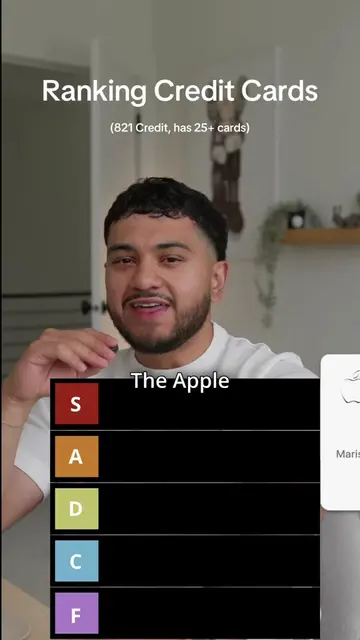
I just charged $10,000 to my credit card. So I want to talk about how we got here. Don't worry, it wasn't a frivolous charge. I have a business and I spend a lot of money on my credit cards, from $1k to $100k limit. But I want to talk about how I spend five figures on a credit card and have it not crash my credit score. If you are new to this, we're going to be mainly talking about credit card utilization and how I got from my first secured card at 18 years old up to six figures limit at 25 years old. First and foremost, what is credit card utilization? It is a big part of your credit score. It is basically a percentage of what you spend versus your overall credit limit. So if I have one credit card and my credit limit is $1,000, and I spend $1,000, doesn't matter if I pay it all off, which you should be doing regardless, $1,000 of $1,000 is 100%. You should not be doing that. The general rule is that you shouldn't spend over 30% of your credit limit. The lower, the better. So if you have a $1,000 credit limit combined across whatever cards you have, you shouldn't really be spending more than a couple hundred dollars. So how the hell did I get from my first Discover card with a $1,000 limit, where is she? She's in here somewhere, she's cute. Got my initials on that baby. She's in there and she'll stay there forever because that was my first card. We keep our first card open forever. Look at me, sprinkling in credit tip in a random video. I'm getting off track. Utilization. My first credit card was a secured card with Discover. If you have no credit history, if your credit history sucks, you can get approved for a secured card. This is basically the same thing as going to a hotel and giving them a security deposit. You give them money, you don't trash the hotel, I promise. And they say, give me money, I don't trust you, and you don't destroy the hotel because you might want your money back. Same thing with a secured credit card. I think I gave them $500 to begin with of my own money and I proved that I could make my payments on time and be a reputable credit borrower, whatever. So I got approved for a $1,000 limit. From there, I believe my second card was this Chase Freedom Flex, which I'm not going to show you because I'm not going to give you my credit card number, sorry. I love you, but not that much. So Chase Freedom Flex was my first Chase card. It's $0 annual fee. I believe everyone should have Chase cards because they are one of the biggest lenders, at least in America. I don't know how this advice applies abroad. Take this with a grain of salt. But I've gotten approved for car loans, big girl purchases through Chase because I have credit history with them, dating back to when I was, I don't know, maybe 19 years old I was when I opened that. (approval tips) So, space your credit cards out by like a year or so. So you have better odds of getting approved. And I have to note when you apply for any new credit cards, they do not want to see a lot of hard inquiries on your credit. So try to not apply for any new credit cards leading up to a big purchase. I'm getting off subject. Again, Chase Freedom Flex was my second card. It's $0 annual fee. All your first cards should be a $0 annual fee because you want to keep them open for life. Look at me, sprinkling in credit tip in a random video. I'm getting off track. Utilization. She has 5% cash back revolving categories and she's one of my favorites to this day. Then I applied for my Apple card. Again, $0 annual fee. Space this out by like another year. Shabang. Then I applied for my Amex card, I went with the Blue Cash Everyday. Another $0 annual fee. Just to get my foot in the door with Amex. If you'll also notice a trend, I'm kind of grabbing one of each kind of credit card issuer. We're collecting them like Pokémon. And that sums it up for my three cards. After some time went by, I eventually applied for my second Chase card, the Sapphire Preferred. That annual fee is nothing crazy. The rewards are great. Again, we love Chase. And then my final baller card was Amex Platinum. Not for everyone. Like I said, I spend a lot of money, responsibly. I would not recommend paying annual fees on a credit card unless you know you're going to get the most bang for your buck, maximize those rewards, yadda yadda yadda. But this is how I've gotten to where I am, spending unfathomable amounts of money on a credit card. I don't want to think about it, but this makes me feel better. Hopefully, this can help someone else. Okay, love you, bye. Discover. My first credit card was a secured card with Discover. If you have no credit history, if your credit history sucks, you can get approved for a secured card. This is basically the same thing as going to a hotel and giving them a security deposit. You give them money, you don't trash the hotel, I promise. And they say, give me money, I don't trust you, and you don't destroy the hotel because you might want your money back. Same thing with a secured credit card. I think I gave them $500 to begin with of my own money and I proved that I could make my payments on time and be a reputable credit borrower, whatever. So I got approved for a $1,000 limit. From there, I believe my second card was this Chase Freedom Flex, which I'm not going to show you because I'm not going to give you my credit card number, sorry. I love you, but not that much. So Chase Freedom Flex was my first Chase card. It's $0 annual fee. I believe everyone should have Chase cards because they are one of the biggest lenders, at least in America. I don't know how this advice applies abroad. Take this with a grain of salt. But I've gotten approved for car loans, big girl purchases through Chase because I have credit history with them, dating back to when I was, I don't know, maybe 19 years old I was when I opened that. (approval tips) So, space your credit cards out by like a year or so. So you have better odds of getting approved. And I have to note when you apply for any new credit cards, they do not want to see a lot of hard inquiries on your credit. So try to not apply for any new credit cards leading up to a big purchase. I'm getting off subject. Again, Chase Freedom Flex was my second card. It's $0 annual fee. All your first cards should be a $0 annual fee because you want to keep them open for life. Look at me, sprinkling in credit tip in a random video. I'm getting off track. Utilization. She has 5% cash back revolving categories and she's one of my favorites to this day. Then I applied for my Apple card. Again, $0 annual fee. Space this out by like another year. Shabang. Then I applied for my Amex card, I went with the Blue Cash Everyday. Another $0 annual fee. Just to get my foot in the door with Amex. If you'll also notice a trend, I'm kind of grabbing one of each kind of credit card issuer. We're collecting them like Pokémon. And that sums it up for my three cards. After some time went by, I eventually applied for my second Chase card, the Sapphire Preferred. That annual fee is nothing crazy. The rewards are great. Again, we love Chase. And then my final baller card was Amex Platinum. Not for everyone. Like I said, I spend a lot of money, responsibly. I would not recommend paying annual fees on a credit card unless you know you're going to get the most bang for your buck, maximize those rewards, yadda yadda yadda. But this is how I've gotten to where I am, spending unfathomable amounts of money on a credit card. I don't want to think about it, but this makes me feel better. Hopefully, this can help someone else. Okay, love you, bye.