Loading video…
Sound

original sound - theartcoach
The Art Coach · Original audio
0:00–:––
Playing this video’s own audio, so you’ll hear the creator over the sound.
The video provides a clear, visual demonstration of a specific art technique, offering valuable information to aspiring artists. The soft sell approach, integrating the course promotion naturally at the end, makes it less intrusive and more appealing.
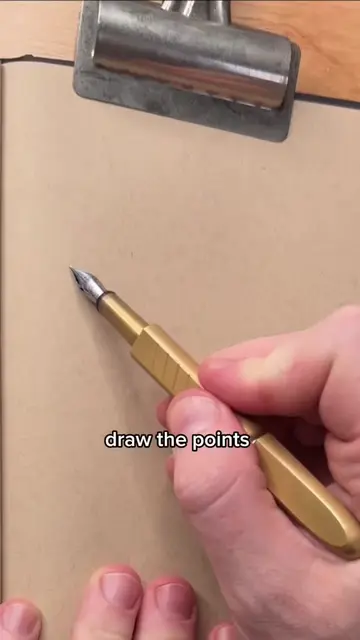
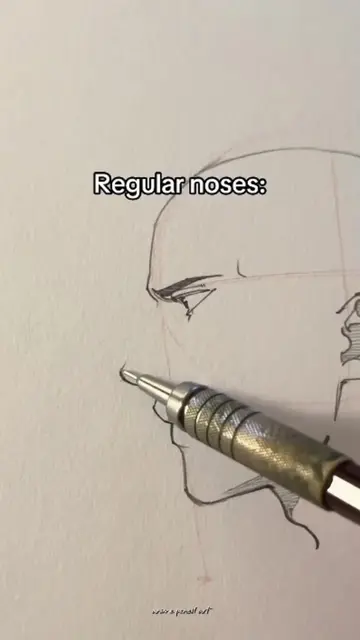
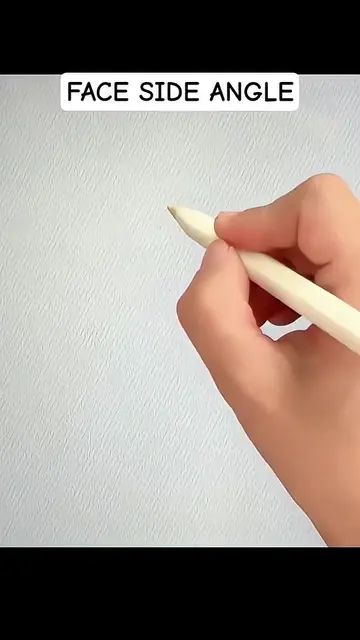
This video demonstrates how to use curved horizontal lines to shade a nose drawing, explaining how line direction can describe form. The creator then invites viewers to their "Drawing Drills Course" via a link in their bio.
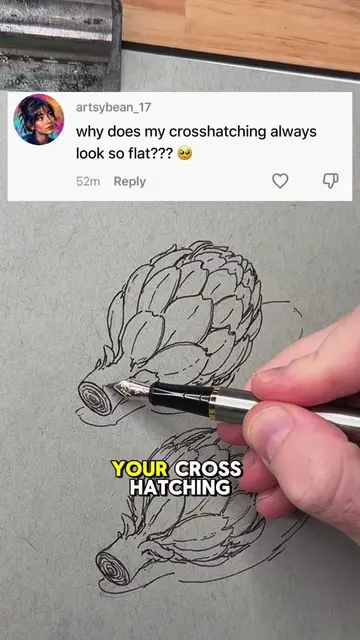
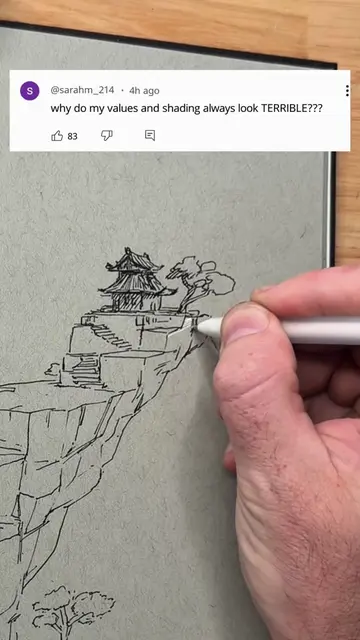
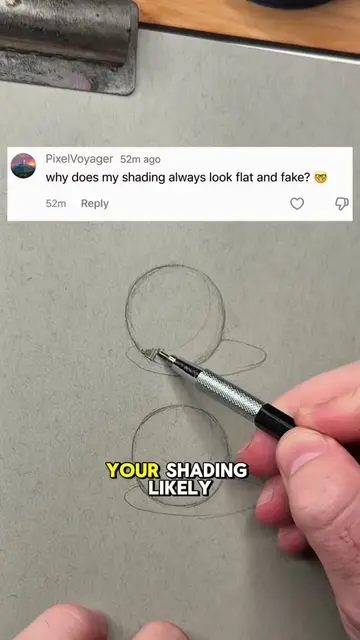
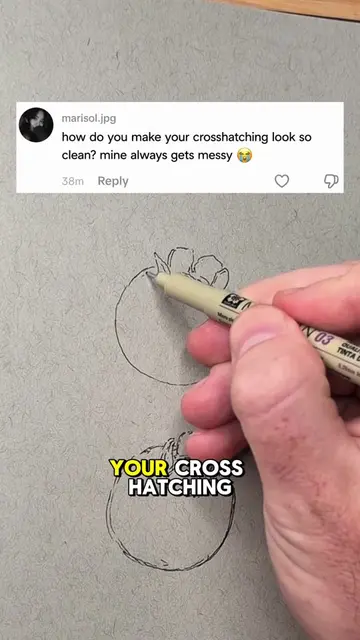
Tap the link in my bio to start the drawing drills course. Cross contour hatching is powerful because every line gets to do two jobs at once. It creates value AND describes form. Instead of laying a flat grid of hatch marks over your subject, let the lines wrap around the surface. As the form bends, turns, or changes planes, your hatching changes direction with it. Now the viewer isn’t just seeing where the object gets darker. They’re getting information about exactly how that surface exists in three-dimensional space. That’s why I love teaching this technique in the Drawing Drills. If you’re already going to put hundreds of lines into your shading, make those lines work harder. Shade the form while you describe the form.
LINES DON'T JUST
Introduction to line use in shading
Demonstration of curved horizontal lines for nose shading
Explanation of how line direction conveys form
Call to action for drawing drills course
Micron pen (appears, does not act, removing it would not change the video). Drawing Drills Course (acts, is the subject of the CTA, removing it would change the video). The Art Coach (appears, does not act, removing it would not change the video).
Tap the link in my bio to start the drawing drills course.
Playing this video’s own audio, so you’ll hear the creator over the sound.
Outliers and viral hits: their videos on Overshot, all time.
Structured drawing courses for artists who want to improve through deliberate practice
All time.