Loading video…
Sound

original sound - theartcoach
The Art Coach · Original audio
0:00–:––
Playing this video’s own audio, so you’ll hear the creator over the sound.
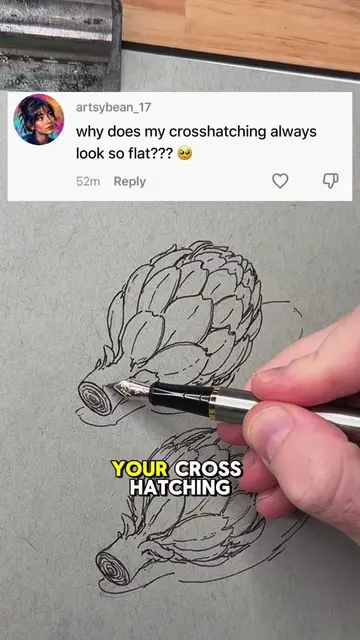
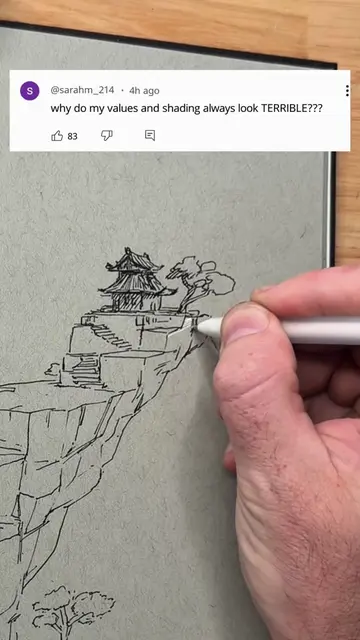
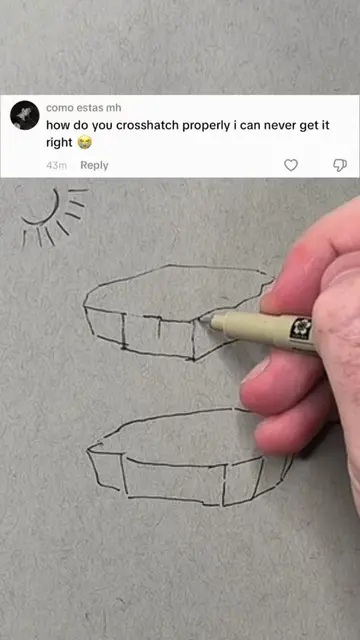
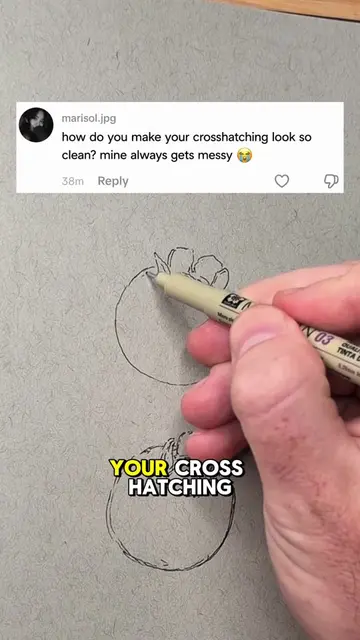
The video addresses a common pain point for artists (flat shading) with a clear, visual demonstration and a direct call to action for a relevant course, making it highly effective for its target audience.
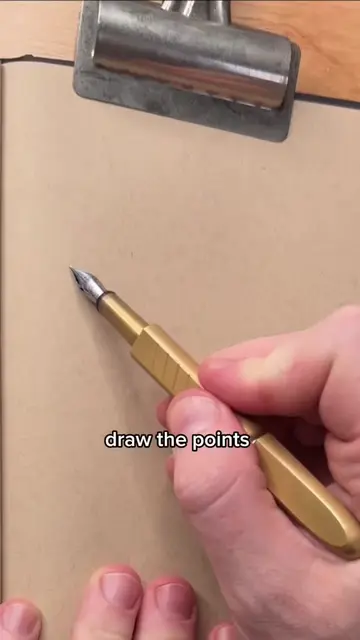
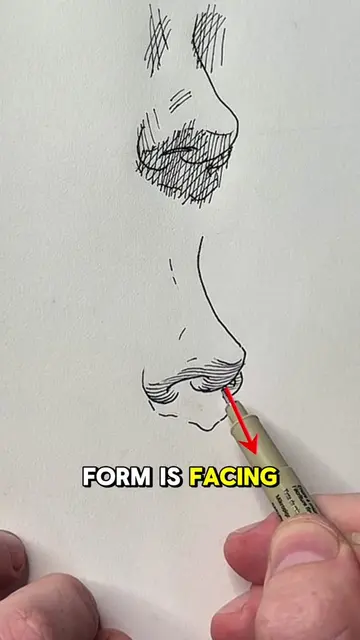
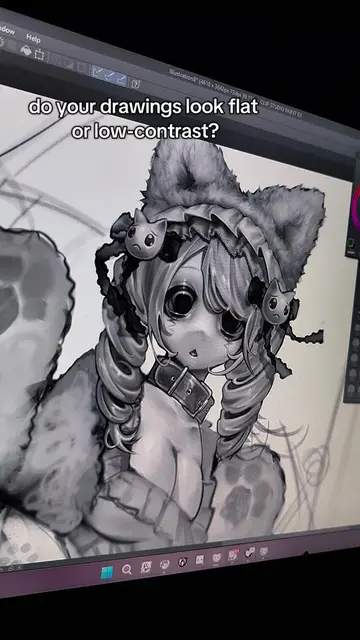
The video explains that flat-looking shading in drawings is often due to forgetting about reflected light. It demonstrates how adding reflected light, which bounces off surfaces near the object, creates realism by subtly illuminating the shadow side of the form. The creator then directs viewers to their bio link for a drawing drills course to improve their skills.
Tap the link in my bio to start the drawing drills course. If your shading looks flat, you might be forgetting one of the most important parts of the shadow: reflected light. Light doesn’t just hit an object from the main light source. It bounces off surrounding surfaces and back into the shadow side of the form. That creates a subtle area of light just beyond the core shadow. Leave it out, and a sphere can look like a flat circle with a dark side. Put it in the right place, and suddenly the form starts to turn. Good shading isn’t just about knowing where to make something darker. It’s understanding how light moves around the form.
YOUR SHADING LIKELY
Explaining why shading looks flat
Demonstrating the importance of reflected light
Showing how to add reflected light to a drawing
Directing viewers to a drawing course
Tap the link in my bio to start the drawing drills course.
Playing this video’s own audio, so you’ll hear the creator over the sound.
Outliers and viral hits: their videos on Overshot, all time.
Structured drawing courses for artists who want to improve through deliberate practice
All time.