Loading video…
The creator

@breakyourbudget
Michela Allocca · 910.3K followers · 10.6M likes
Promotes 4 products. Create free account to see more.
Usual views
5.4K
Outliers
24
Viral hits
3
Outliers and viral hits: their videos on Overshot, all time.
Hook
Posted Jul 17, 2026Video · 1:35by @breakyourbudget
The video provides a practical and actionable solution to a common problem (budgeting and financial planning) by leveraging a popular AI tool (ChatGPT). It offers a clear, step-by-step process and demonstrates the value of AI in personal finance, making it highly relatable and shareable.
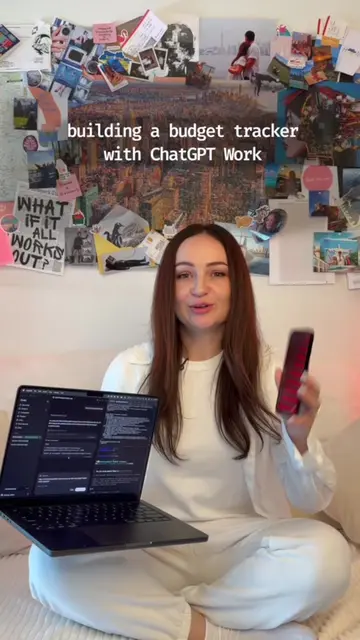
The video explains how to use ChatGPT for a mid-year money reset by uploading spending data and asking targeted questions. It demonstrates how to analyze spending patterns, identify areas for savings, and create actionable financial goals for the rest of the year.
The purpose of a mid-year money reset isn’t just to analyze the past, it’s using that information to start making intentional decisions about the future. Take advantage of the tools available in 2026 like @ChatGPT , and use it as a financial thought partner to help you reach your goals FASTER!! #ChatGPT_Partner
Promotes 4 products. Create free account to see more.
Outliers and viral hits: their videos on Overshot, all time.
ChatGPT helps you get answers, find inspiration, and be more productive.
Views and creators: posted in the last 30 days (English videos). Videos: all time.
how to build a budget that *actually* fits your life
Introduction to mid-year money reset
Using ChatGPT to analyze spending data
Asking ChatGPT specific questions for financial advice
Identifying spending priorities and potential savings
Creating action items for the rest of the year
Importance of verifying financial information
ChatGPT ACTS - it is used to analyze spending data and provide financial advice. Removing it would change the core function of the video. It appears as a web interface on a laptop screen and is mentioned throughout the transcript. It is used to generate advice and organize information.