Loading video…
Sound

original sound - chronicallyjenni
Chronically Jenni · Original audio
0:00–:––
Playing this video’s own audio, so you’ll hear the creator over the sound.
We didn’t find a product being promoted in this video. Its hook, format and structure below still show why it took off.
Browse products winning on TikTokThe video effectively uses a relatable analogy (glasses) to destigmatize mobility aids and educate viewers on respectful interaction. Its clear, numbered points and empathetic tone make the message easily digestible and shareable, fostering understanding and challenging common misconceptions.
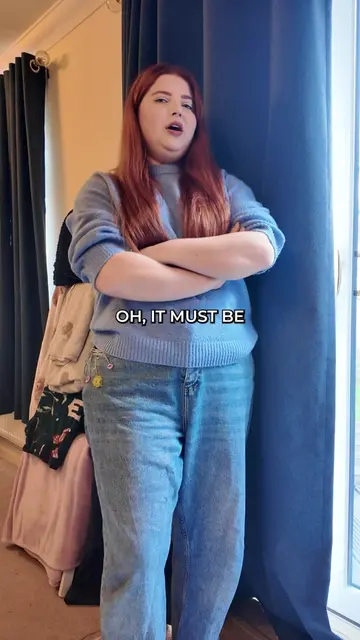
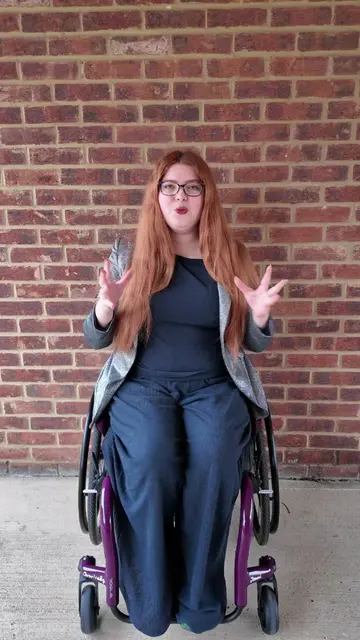
The creator discusses five points about accepting mobility aids, drawing parallels with how people accept glasses. She emphasizes that not seeing an aid doesn't mean it's not needed, that needs vary by activity, and that aids are tools for independence, not signs of giving up. The video encourages viewers to be mindful and avoid intrusive questions about mobility aids.
Five things we already accept about glasses that we should also accept about mobility aids. 1. Not seeing someone’s aid does not mean they no longer need it. If someone wears glasses but is not wearing them, most people do not assume their eyesight has magically improved. They might be wearing contact lenses, managing without them for one task or struggling to see. The same applies to mobility aids. Someone might be using supports you cannot see, avoiding certain activities or pushing through without the aid they need. 2. People can need different aids for different activities. Someone might need glasses to drive but not to read their phone. Similarly, someone might walk around their home but use a rollator outside, a manual wheelchair for shorter trips and a powerchair for longer days. Needs can change depending on pain, fatigue, distance, environment and accessibility. That is not inconsistency. It is choosing the right support for the situation. 3. An aid is not an invitation to ask, “What happened to you?” People rarely stop someone wearing glasses and ask, “What happened to your eyes?”. Yet mobility aid users are regularly expected to explain their diagnoses, injuries or disabilities to strangers. If you would not ask someone wearing glasses why they need them, do not ask someone using a mobility aid. 4. Using a mobility aid is not giving up. Nobody thinks wearing glasses means someone has failed to try hard enough to see. Mobility aids can prevent injury, reduce pain, conserve energy and provide independence. They do not stop people living their lives. They often make those lives possible. 5. Stop saying “wheelchair-bound”. We do not call someone “glasses-bound”. Wheelchairs provide movement, freedom and access. Try “wheelchair user” instead. Glasses and mobility aids are not exactly the same, but both help people navigate the world more safely and independently. Before questioning someone’s mobility aid, ask whether you would make the same assumption about their glasses. What do you wish more people understood about mobility aids? Share this video to help challenge these assumptions.
Five things we already accept about glasses
Introduction: Glasses vs. Mobility Aids
Point 1: Aid not always visible
Point 2: Needs vary by activity
Point 3: Aid is not an invitation for questions
Point 4: Aid is not giving up
Point 5: Stop saying 'wheelchair bound'
Conclusion: Aids enable independence
Share this video to help challenge assumptions.
Playing this video’s own audio, so you’ll hear the creator over the sound.
Promotes 1 product. Create free account to see more.
Outliers and viral hits: their videos on Overshot, all time.