Loading video…
All videos
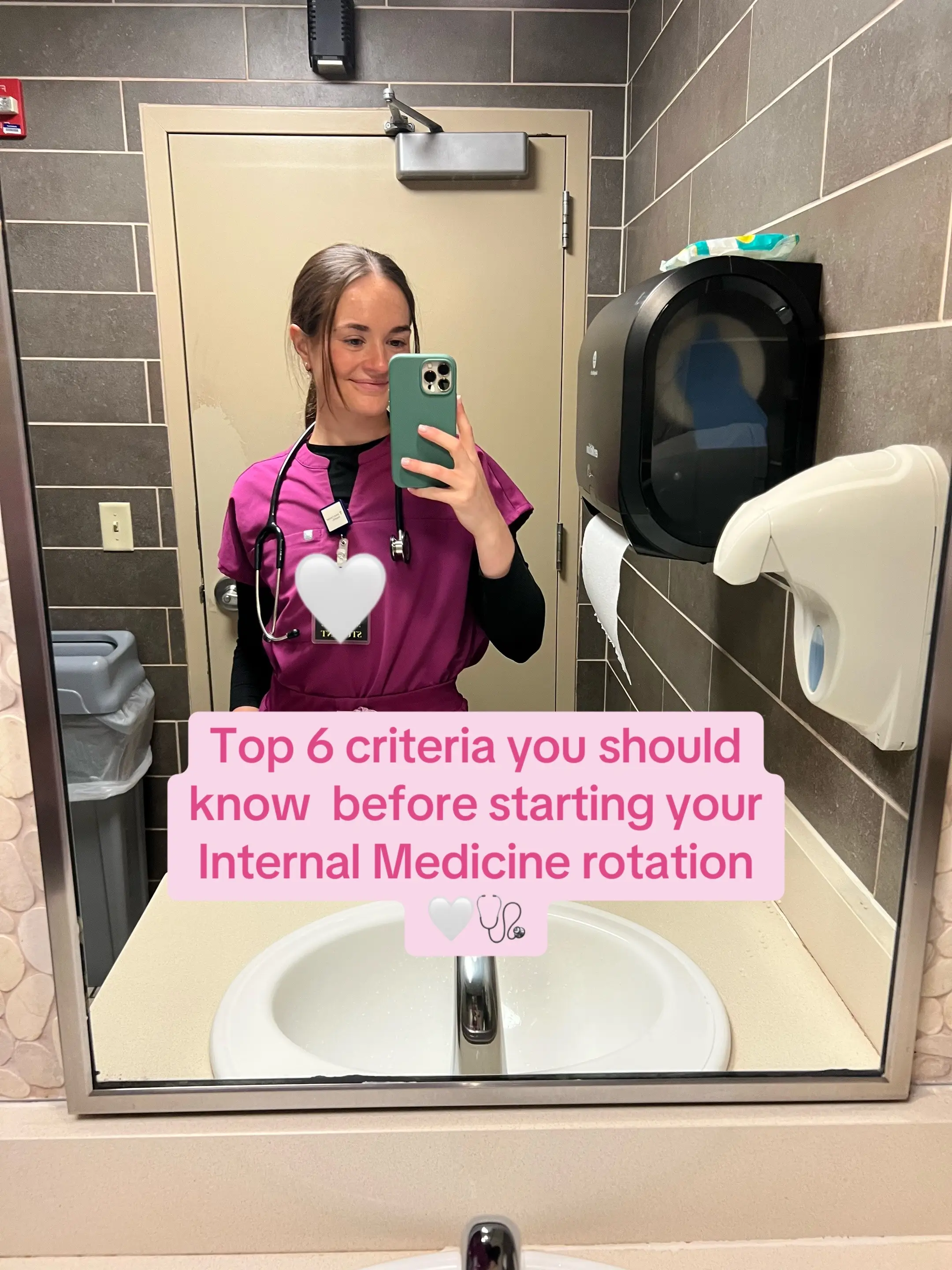
Hook
Top 6 criteria you should know before starting your Internal Medicine rotation
Posted Jul 27, 2026Photo post · 7 slidesby @kikisamsel
Views
21.0K
Likes
985
Comments
11
Shares
45
Engagement
5.0%
of views
4.5xthis account’s usual viewsOutlier
This video21.0KUsual views4.8K
The product
Not selling anything
No product promoted
We didn’t find a product being promoted in this video. Its hook, format and structure below still show why it took off.
Browse products winning on TikTokThe creator
Why it worked
The post provides highly valuable, concise, and visually organized medical information that is directly relevant to a specific audience (medical students and residents). The use of clear criteria and scoring systems makes complex topics easily digestible and shareable, driving engagement and saves.
What happens
This is a multi-slide post presenting medical criteria relevant to internal medicine rotations. It covers criteria for pleural effusions (Lights), pulmonary embolism (Wells), systemic inflammatory response syndrome (SIRS), community-acquired pneumonia severity (CURB-65), atrial fibrillation stroke risk (CHADS-Vasc), and bleeding risk in atrial fibrillation patients (HAS-BLED).
The breakdown
Original caption
Here are the Top 6 criteria I think you should know before starting your Internal Medicine rotation!!! There are many more, but in my opinion, these have come up the most for me during mine: •Lights Criteria for Pleural Effusions •Wells Criteria for Pulmonary Embolism probability •SIRS criteria •CURB-65 for CAP •CHADS-Vasc for Afib anticoagulation •HAS-BLED for Afib Bleeding Risk Good luck with Internal Medicine! #internalmedicine #medicalschool #medicalstudent #physicianassistant #paschool