Loading video…
Sound

original sound - theartcoach
The Art Coach · Original audio
0:00–:––
Playing this video’s own audio, so you’ll hear the creator over the sound.
The video effectively uses a simple, relatable technique (drawing ribbons) to create visually impressive results (flowing water and a magical scene), making complex art concepts accessible and inspiring viewers to learn more.
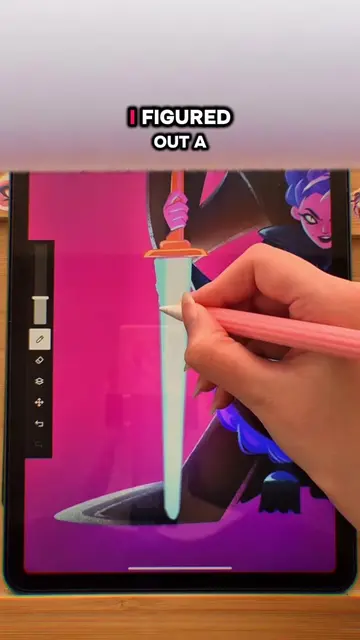
This video demonstrates how to draw flowing water and a waterbender using simple ribbon shapes as a base. The creator explains that by mastering simplified forms and applying them to more complex subjects, artists can achieve visual realism and improve their art.
Tap the link in my bio to start the drawing drills course. Even something as complex as a wizard conjuring a giant spiral of water can start with one incredibly simple form. A ribbon. Before I think about splashes, droplets, reflections, or texture, I use ribbons to establish how the water flows through space. They can twist toward you, curl away, overlap themselves, and spiral upward around the figure. Once that movement works, then the ribbon can be modified into water. That’s the order I want you thinking in. Form first. Movement second. Texture last. The fantasy element might come from your imagination, but the structure underneath it still follows the same basic drawing principles. Build a visual library of simple forms and learn how to manipulate them, and suddenly you have the tools to construct things that don’t even exist. That’s where drawing from imagination starts to get really fun.
THAT IF YOU
Drawing a basic ribbon shape
Modifying the ribbon to create flowing water effects
Drawing a waterbender figure
Creating a water evocation around the waterbender
Explaining the importance of simplified shapes for realism
Call to action for a drawing course
Tap the link in my bio to start the drawing drills course.
Playing this video’s own audio, so you’ll hear the creator over the sound.
Structured drawing courses for artists who want to improve through deliberate practice
All time.
Outliers and viral hits: their videos on Overshot, all time.