Loading video…
All breakouts
27.4Talking HeadContrarian hookEducation
Hook
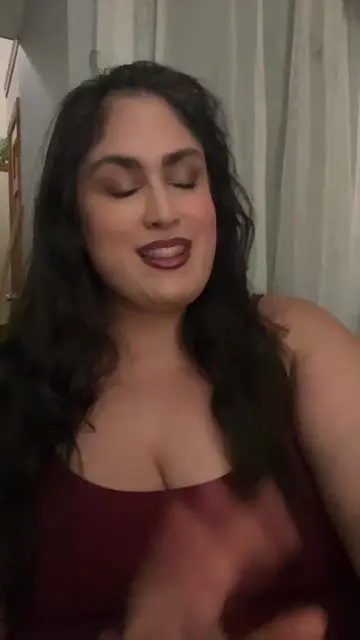
Native Americans aren't supposed to vote.
@recycldstardust
236.4K followers · usually 3.4K views a post
Views
89.0K
Likes
13.2K
Comments
194
Shares
425
Why it worked
The video effectively uses a personal narrative and clear examples to highlight systemic issues faced by Native American voters, making a complex topic relatable and emotionally resonant.
Summary
This video discusses the barriers Native Americans face in exercising their right to vote. It highlights issues with mail delivery, lack of street addresses, long travel distances to polling places, and language barriers. The video argues that the current voting system is not designed to accommodate Native communities, leading to disenfranchisement.
Structure
- 1Introduction to voting barriers for Native Americans
- 2Lack of standard addresses and mail delivery issues
- 3Sovereignty and limited federal services
- 4Language barriers in voting
- 5Transportation challenges and long distances
- 6Underrepresentation and systemic issues
On-screen text
VOTE HERE
TRIBAL OFFICES
Pyramid Lake Paiute Tribe
VOTING IS SACRED
INSERT BALLOT HERE
NAVAJO NATION
TRIBAL ENROLLMENT
SERVICE
Arizona Native Vote
Arizona Native Vote is here to help you vote. Together, we are power. Call us at 602-785-4207. We can assist you to:
- Register to vote
- Understand your ballot
- Find a ride to the polls
arizonanative.org | info@arizonanative.org | 602-785-4207
I promise my yázhi that I will vote on November 5th, 2024.
Signed:
Original caption
Voting barriers still exist for Native American and indigenous people. Native people don’t all have equal access to the right to vote. From having issues with mailing addresses, confirming home address, accessing mail timely, or even being able to go to a polling center, these are all sometimes all inaccessible, out-of-the-way, difficult for elderly disabled, time-consuming, or even not financially able to be done due to the far distances. Sometimes it’s a language barrier. Some natives still speak their native languages in their communities and elders may not know English. If a ballot can’t be translated it’s another issue. There needs to be systematic changes to allow the right to vote for All citizens. #voting #NativeTikTok ##nativeamerican##IndigenousTikTok
More from @recycldstardust
More breakout videos from this creator.