Loading video…
Sound

original sound - andruyeung
Andrew Yeung · Original audio
0:00–:––
Playing this video’s own audio, so you’ll hear the creator over the sound.
Hook
Posted Mar 29, 2026Video · 2:52by @andruyeung
We didn’t find a product being promoted in this video. Its hook, format and structure below still show why it took off.
Browse products winning on TikTokThe video uses a compelling hook about young dropouts raising millions, then breaks down complex venture capital concepts like the power law and blitzscaling into easily digestible explanations with clear visuals. The narrative structure, starting with a surprising premise and then providing logical reasons, makes the information engaging and shareable.
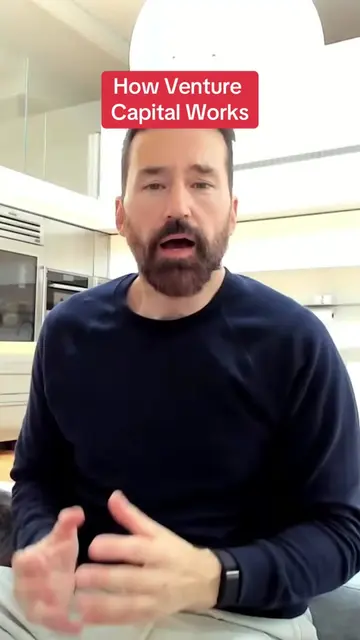
This video explains why Silicon Valley investors give large sums of money to young entrepreneurs, even those who are college dropouts. It breaks down the reasons into three key concepts: the power law of venture capital, the strategy of blitzscaling, and the asymmetric risk/reward profile of investing in high-conviction founders. The video argues that investors are not being reckless but are making calculated bets based on mathematical principles that favor high-growth potential over safety.
Here's how to ACTUALLY understand why a 21-year-old dropout just raised $20 million. It's not what you think. #venturecapital #Tech #wealth #AI #investing
Why do Silicon Valley investors give 20 year olds millions of dollars?
Introduction: Why young founders get millions
Case study: Roy, a 21-year-old AI tool founder
Explanation of the Power Law in VC
Concept of Blitzscaling
Asymmetric risk and reward in investing
Conclusion: Why backing young founders is rational
Follow for more on stuff like
Playing this video’s own audio, so you’ll hear the creator over the sound.
Promotes 1 product. Create free account to see more.
Outliers and viral hits: their videos on Overshot, all time.